

Does Automated Injection Molding Boost Bluetooth Earbud Quality?
Struggling with inconsistent earbud housing quality across shipments? Many buyers face this, leading to unexpected returns and frustrated customers. Understanding how automation impacts production can secure stable quality.
Automated injection molding significantly improves Bluetooth earbud housing quality by minimizing human error and reducing cosmetic and dimensional defects during post-molding handling.1 This leads to more consistent products, fewer returns, and better long-term reliability for distributors.
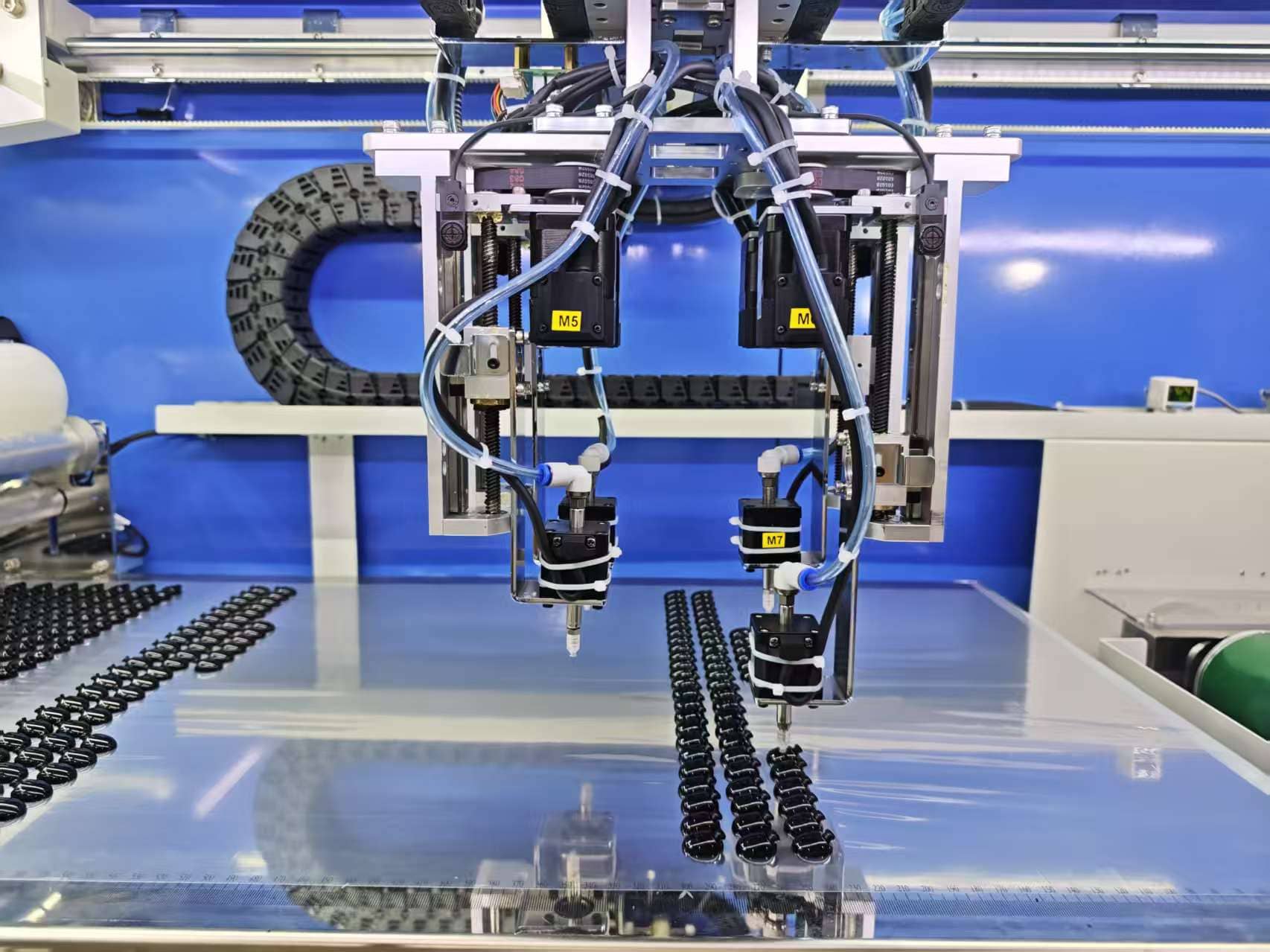
From my experience in quality control, I have seen firsthand the difference production line setups make. When sourcing Bluetooth earphones, the actual physical production line is often overlooked. But for me, it's where much of the quality journey begins. Let's look closer at why automation is so vital.
Does Manual Handling Really Cause Defects in Earbud Housings?
Are you tired of receiving earbud shipments with small scratches or smudges, even from reputable suppliers? It might surprise you, but often these defects come from human hands, not machine errors. Manual handling introduces specific defects that automation is designed to prevent.
Manual handling frequently leads to three avoidable defects in Bluetooth earbud housings: surface contamination like fingerprints and dust, handling damage such as scratches during ejection or trimming, and dimensional inconsistency from uneven flash removal.2 These issues directly impact cosmetic appeal and product integrity.
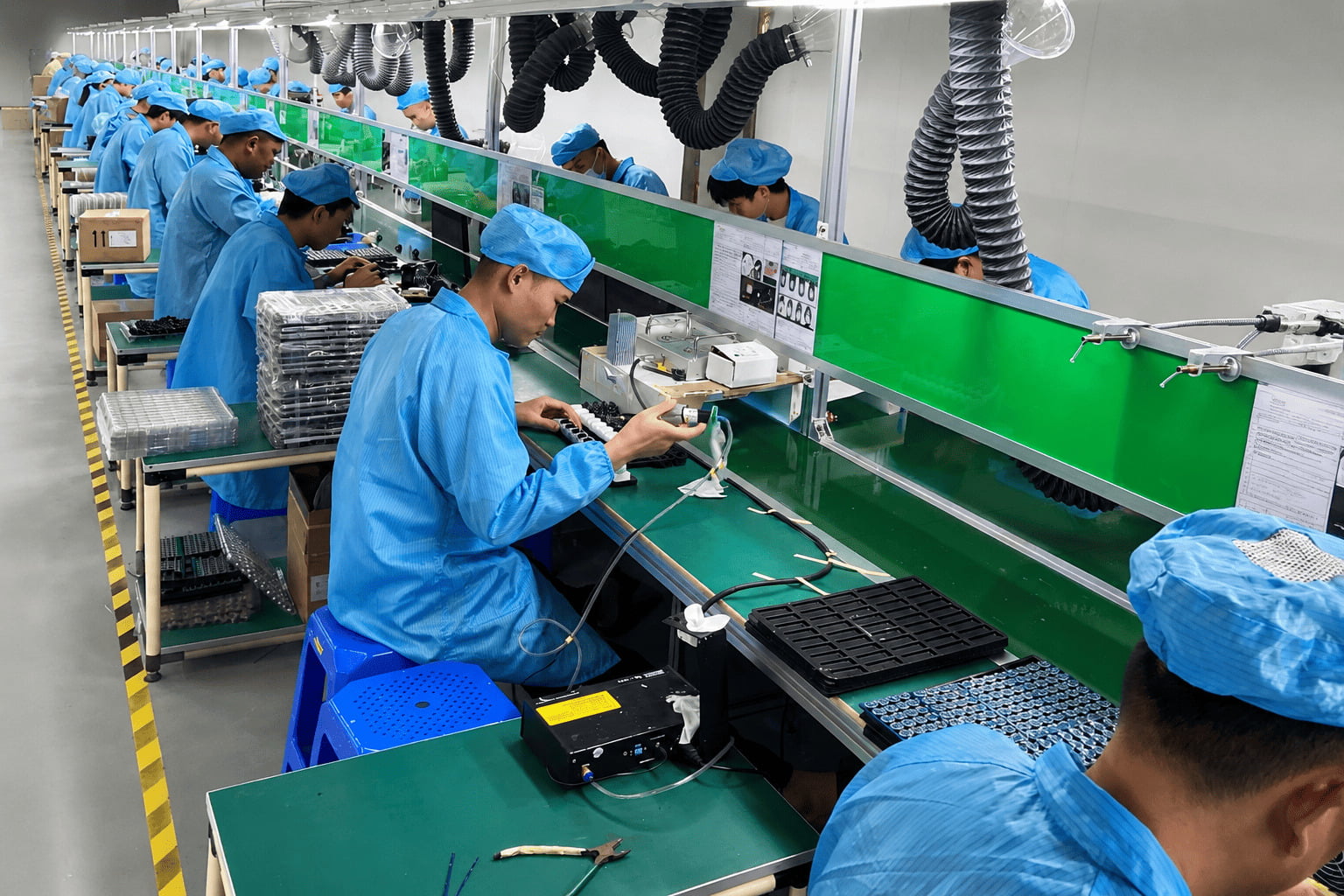
From my perspective as a quality controller, observing production lines is critical. I've often seen perfectly formed earbud housings come straight out of the mold, only to be handled in a way that introduces defects. For example, during manual operations, workers might pick parts by hand, sometimes still warm, leaving fingerprints. Dust in the air can settle on these parts before they are packaged. These are not major functional flaws, but they are cosmetic issues that customers notice. I recall one shipment where a significant portion of earbud cases had faint smudges, which my client’s customers immediately pointed out as "used" or "poor quality."
When parts are ejected from the mold, manual lines often rely on operators to quickly grab them or use basic tools. This can cause small scratches. Flash, which is excess material around the edges of a molded part3, also needs removal. On a manual line, this trimming is done by hand, often with blades or simple tools. The consistency of this process varies greatly from person to person. One operator might trim too much, another too little, leading to uneven edges. This lack of uniformity can affect how earbud components fit together later, even if subtly.
Here is a quick overview of how manual and automated processes compare in terms of common housing defects:
| Defect Type | Manual Handling | Automated Handling |
|---|---|---|
| Surface Issues | Fingerprints, dust, smudges from direct contact | Minimal direct contact, reduced contamination risks |
| Physical Damage | Scratches, nicks, dents during ejection or transfer | Robotic grippers designed for gentle, precise handling |
| Dimensional | Inconsistent flash removal, uneven edges | Automated trimming/deburring for uniform finish |
| Overall Variance | High, dependent on individual operator skill/fatigue | Low, consistent output due to programmed precision |
These are the defects we frequently deal with. My role involves tracking these issues and understanding their root causes. Many times, the cause is simply too much human interaction with delicate plastic parts.
Is Manual Work Always More Precise for Earbud Housings?
Do you believe that skilled manual workers always produce better quality than machines? While manual labor has its place, especially for complex assembly, for injection molded earbud housings, this belief can be a trap. When it comes to consistency and precision in post-molding handling, automation often outperforms.
Many buyers think manual work is inherently more precise, especially when considering mold quality as the primary factor in part perfection. However, for earbud housings, automation excels by eliminating human variables in post-molding handling, ensuring that the part produced by a good mold remains flawless before packaging.
I’ve had many conversations with clients who initially think, "A good mold is all that matters." They believe that if the mold is top-notch, the parts will be perfect, regardless of how they are handled afterward. While mold quality is indeed foundational – a bad mold will always make bad parts – it’s not the whole story. A perfect part coming out of a perfect mold can still be damaged or contaminated before it even reaches the assembly line. I've seen this happen too often.
What I've observed is that the human element, while capable of great skill, also introduces variables. An operator might be skilled, but fatigue, distraction, or simply the natural variation in human motion4 means that the 100th part handled will not be identical to the first. Automation, on the other hand, follows a programmed path with exact repeatability. A robotic arm will grip a part in the exact same way, at the same pressure, every single time.5 This means the risk of scratches from improper ejection or placement is dramatically reduced. When dealing with delicate surfaces, like the glossy finish of a Bluetooth earbud housing6, this consistent handling is paramount. Our partner factories have shared data showing how cycle times and pressure settings remain constant with automated systems7, directly impacting the consistency of parts. It's not about replacing skilled labor entirely, but about using machines where their repeatability offers a distinct advantage, especially in tasks that are repetitive and prone to minor human error.
Why Does Automation Matter Most for Repeat Earbud Orders?
Are you a distributor who regularly orders hundreds or thousands of Bluetooth earbuds? If so, have you experienced inconsistent quality between different batches of the same product? This inconsistency is a major headache, and it's where automated production lines truly show their value.
Automation matters most for repeat orders because while one-time buyers might tolerate a 5-10% defect variance8, distributors ordering quarterly need predictable quality to avoid regional customer complaints and costly returns9. Consistent quality ensures brand reputation and reduces operational headaches for long-term supply relationships.
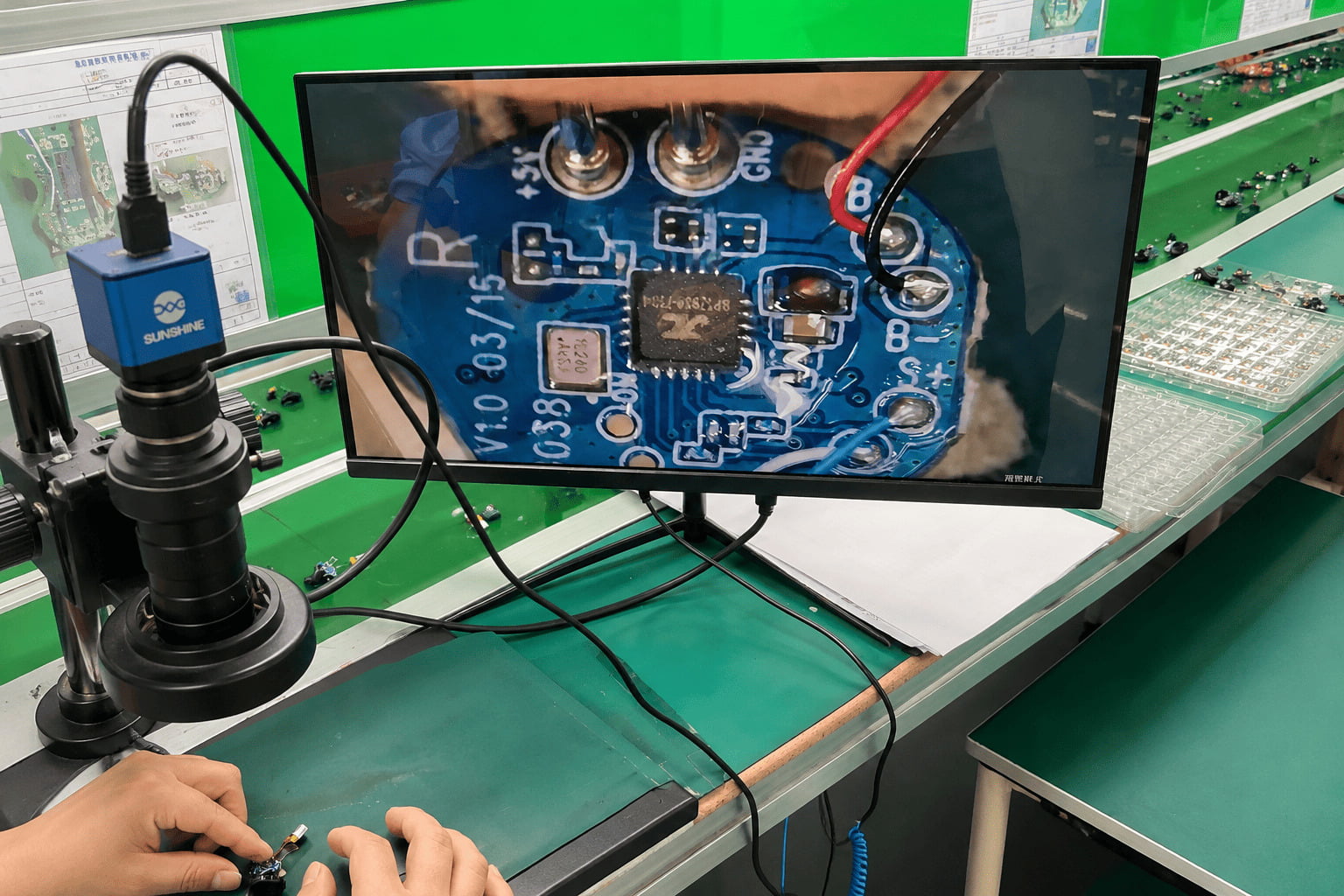
My job frequently involves mediating between our clients and the factories. One of the biggest challenges for wholesalers and distributors is managing customer expectations. If a customer receives a batch of earbuds where 10% have minor cosmetic defects, that's a problem. For a one-time buyer, they might just accept it or perhaps return the batch once. But for a distributor who has built a brand and repeat customers, such inconsistency can be devastating.
Imagine a scenario where a client places a large order for 3,000 units, and the initial sample or first batch is excellent. Then, three months later, they reorder the same product, but the quality of the housings is noticeably lower due to more scratches or uneven flash. Their end-customers will complain, leading to returns, negative reviews, and a damaged reputation for our client. I've seen this directly impact our clients' sales in their markets. Automated lines significantly reduce this risk because the process doesn't "forget" or get tired. The robots perform the same actions with the same precision, every day, every week, across different shifts. This consistency is not just about avoiding defects; it's about building trust in the supply chain. For a long-term partnership, knowing that the quality from one order to the next will be stable is invaluable. It helps our clients build stable product lines and reduce their procurement risks, which is exactly what we aim to help them achieve.
What Kind of Automation Are We Talking About for Earbuds?
When you hear "automation," do you picture fully robotic factories that do everything? For Bluetooth earbud housing, the critical automation isn't about every step; it's about specific post-molding processes. Understanding this specific scope helps you evaluate suppliers better.
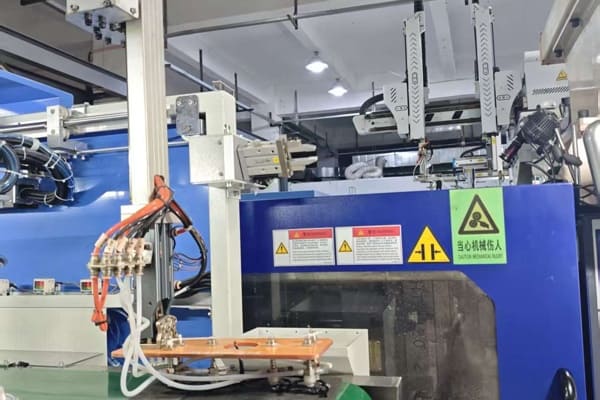
For Bluetooth earbud housings, "automation" refers narrowly to post-molding handling, including robotic part removal from the mold, automated deburring or flash removal, and integrated conveyor transfer systems10 that minimize human contact. This specific automation scope directly addresses cosmetic and dimensional consistency issues in the parts themselves, not later assembly or inspection.
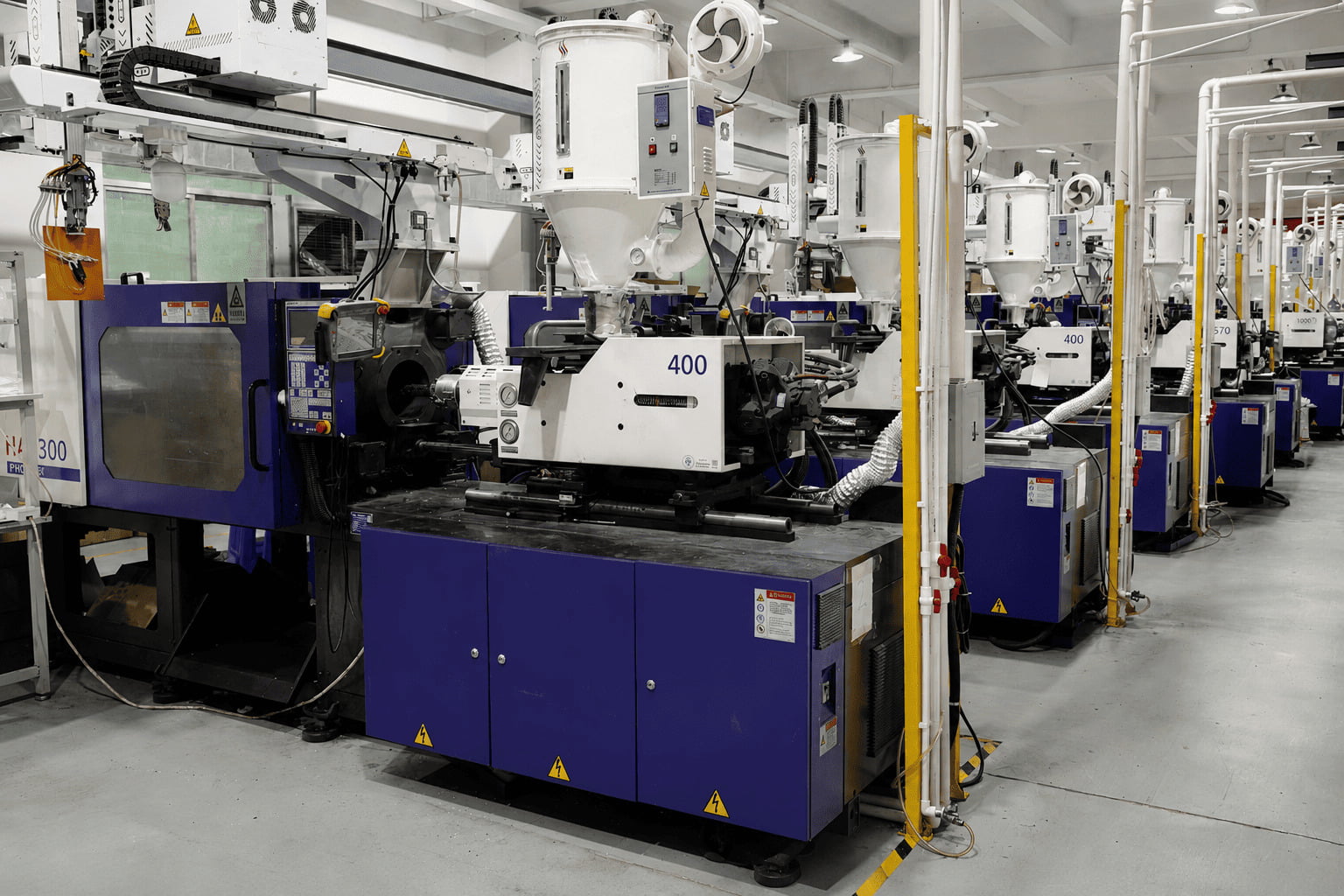
It's important to be clear about what I mean by "automation" in this context. We are not talking about robots assembling the entire earbud or automated final product testing, although those are also forms of automation. My focus here is strictly on the injection molding process for the housing itself, particularly what happens immediately after the part is formed.
When I audit a factory, I look for key indicators of this type of automation. For example, after the mold opens, I want to see a robotic arm precisely reaching in, gently gripping the newly formed earbud housing, and carefully extracting it. This avoids the manual pulling or dropping that can cause scratches or damage. Next, the part should transfer directly onto a conveyor system, or into an automated deburring station if flash removal is needed. This deburring uses precise tools to trim excess material consistently, something a human hand struggles to replicate repeatedly.11 The critical point is that the part should move from the mold to the next stage of production, often directly to a quality check or packaging, with minimal or no human touch. This integrated flow is what prevents those easily avoidable surface defects and dimensional inconsistencies. When I see standalone ejection systems where parts drop into a bin for manual sorting, I know the defect rate for surface imperfections will be higher. This narrow definition of automation is what makes a tangible difference in the quality of the earbud housing you receive.
Conclusion
Automated injection molding lines dramatically reduce defects and increase consistency for Bluetooth earbud housings.12 This is critical for distributors seeking stable quality across repeated bulk orders, minimizing returns and strengthening long-term supply partnerships.
"Understanding human management of automation errors - PMC - NIH", https://pmc.ncbi.nlm.nih.gov/articles/PMC4221095/. Manufacturing research has documented that automated processes can reduce defect rates and improve consistency in repetitive production tasks, though specific improvements vary by application and implementation quality. Evidence role: statistic; source type: research. Supports: that automation in manufacturing reduces defects and improves consistency compared to manual processes. Scope note: Studies typically measure automation benefits across various manufacturing contexts rather than specifically for earbud housing production ↩
"Dimensional Accuracy and Measurement Variability in CNC-Turned ...", https://pmc.ncbi.nlm.nih.gov/articles/PMC12194426/. Quality control literature identifies surface contamination, handling damage, and dimensional inconsistency as common defect categories associated with manual post-processing in precision manufacturing. Evidence role: mechanism; source type: research. Supports: that manual handling in manufacturing introduces contamination, physical damage, and dimensional variation. ↩
"Flash (manufacturing) - Wikipedia", https://en.wikipedia.org/wiki/Flash_(manufacturing). In injection molding terminology, flash refers to excess plastic material that extends beyond the intended part geometry, typically occurring at parting lines where mold halves meet. Evidence role: definition; source type: encyclopedia. Supports: the technical definition of flash in injection molding. ↩
"The Case for Addressing Operator Fatigue - PMC", https://pmc.ncbi.nlm.nih.gov/articles/PMC4457397/. Human factors research in manufacturing contexts documents that operator performance varies due to fatigue accumulation, attention lapses, and natural biomechanical variation, particularly in repetitive manual tasks. Evidence role: mechanism; source type: research. Supports: that human operators exhibit performance variation due to fatigue, attention fluctuation, and inherent motor variability. ↩
"Learning Force-Regulated Manipulation with a Low-Cost Tactile ...", https://arxiv.org/html/2602.10013v1. Industrial robotics engineering establishes that modern robotic systems can achieve repeatability within fractions of a millimeter and maintain consistent force application through closed-loop control systems. Evidence role: mechanism; source type: education. Supports: that industrial robots achieve high repeatability in positioning and force application. ↩
"Causes of the Gloss Transition Defect on High-Gloss Injection ... - PMC", https://pmc.ncbi.nlm.nih.gov/articles/PMC7569822/. Materials science literature on plastic surface finishes indicates that high-gloss surfaces amplify the visibility of surface imperfections including scratches, fingerprints, and contamination compared to matte or textured finishes. Evidence role: general_support; source type: education. Supports: that glossy plastic surfaces make cosmetic defects more visible. ↩
"3.4.5. Assessing Process Stability - Information Technology Laboratory", https://www.itl.nist.gov/div898/handbook/ppc/section4/ppc45.htm. Manufacturing process control principles establish that automated systems with closed-loop feedback maintain consistent process parameters such as cycle times, pressures, and temperatures within narrow tolerances. Evidence role: mechanism; source type: education. Supports: that automated manufacturing systems maintain consistent process parameters including cycle times and pressures. ↩
"Engineering tolerance - Wikipedia", https://en.wikipedia.org/wiki/Engineering_tolerance. Quality management research indicates that acceptable defect rates vary significantly based on customer relationship type, product category, and market positioning, with one-time purchasers generally showing different tolerance thresholds than repeat customers. Evidence role: general_support; source type: research. Supports: that defect tolerance varies between customer types and purchase contexts. Scope note: Research does not specify the exact 5-10% range mentioned, which appears to be based on industry experience rather than published standards ↩
"The Impact of Supply Chain Quality Management on Firm ... - MDPI", https://www.mdpi.com/2071-1050/17/9/4165. Supply chain management research demonstrates that quality variation across production batches increases return rates, customer complaints, and total cost of quality for distributors and retailers. Evidence role: general_support; source type: research. Supports: that quality inconsistency leads to increased returns and customer dissatisfaction in distribution channels. ↩
"The Role of Automation in Modern Plastic Injection Molding", https://www.aimprocessing.com/blog/the-role-of-automation-in-modern-plastic-injection-molding. Manufacturing engineering literature describes robotic part extraction, automated deburring, and integrated material handling as established post-molding automation technologies that reduce manual contact with molded parts. Evidence role: mechanism; source type: education. Supports: that robotic part removal, automated deburring, and conveyor systems are standard automation approaches in injection molding. ↩
"[PDF] Advanced Deburring & Chamfering System", https://tsapps.nist.gov/publication/get_pdf.cfm?pub_id=820281. Manufacturing process research indicates that automated deburring and trimming operations provide superior dimensional consistency and repeatability compared to manual methods, particularly for high-volume production. Evidence role: general_support; source type: research. Supports: that automated deburring and trimming processes achieve greater consistency than manual methods. ↩
"How Industry 4.0 Is Transforming Plastic Injection Molding", https://hunterplastics.com/how-industry-4-0-is-transforming-plastic-injection-molding/. Manufacturing quality studies document that automation in injection molding and post-processing operations reduces defect rates and improves part-to-part consistency, with specific improvements dependent on the baseline manual process and automation implementation. Evidence role: statistic; source type: research. Supports: that automation in injection molding reduces defect rates and improves consistency. Scope note: Published research typically addresses injection molding automation broadly rather than specifically for consumer electronics housings like earbuds ↩