How Can You Successfully Import Bluetooth Earbuds from China?
Struggling to find reliable Bluetooth earbud suppliers in China? Many buyers face hidden risks and misunderstandings when sourcing. I see it every day. This guide will help you avoid common pitfalls.
To successfully import Bluetooth earbuds from China, you need to understand supplier risks that match your order size, margin, and long-term needs. Focus on stable quality, proper certification, and realistic customization options from a reliable B2B partner, not just the lowest price.
As a sales professional working with global buyers, I have seen many people try to navigate the Chinese market. It is often a complex journey. My goal is to share what I have learned from these interactions. I want to help you make better decisions. This way, you can build a stable supply chain.
Why is a 3,000-unit MOQ More Than Just a Number?
Frustrated by high MOQs when you want customization? Many buyers think MOQs are flexible. But MOQs are more about production realities. They are not just a bargaining point.
A 3,000-unit MOQ for Bluetooth earbuds reflects the minimum volume needed for efficient factory production runs and component purchasing.1 It’s a commercial threshold that impacts pricing, lead times, and the feasibility of true customization beyond basic logo printing.
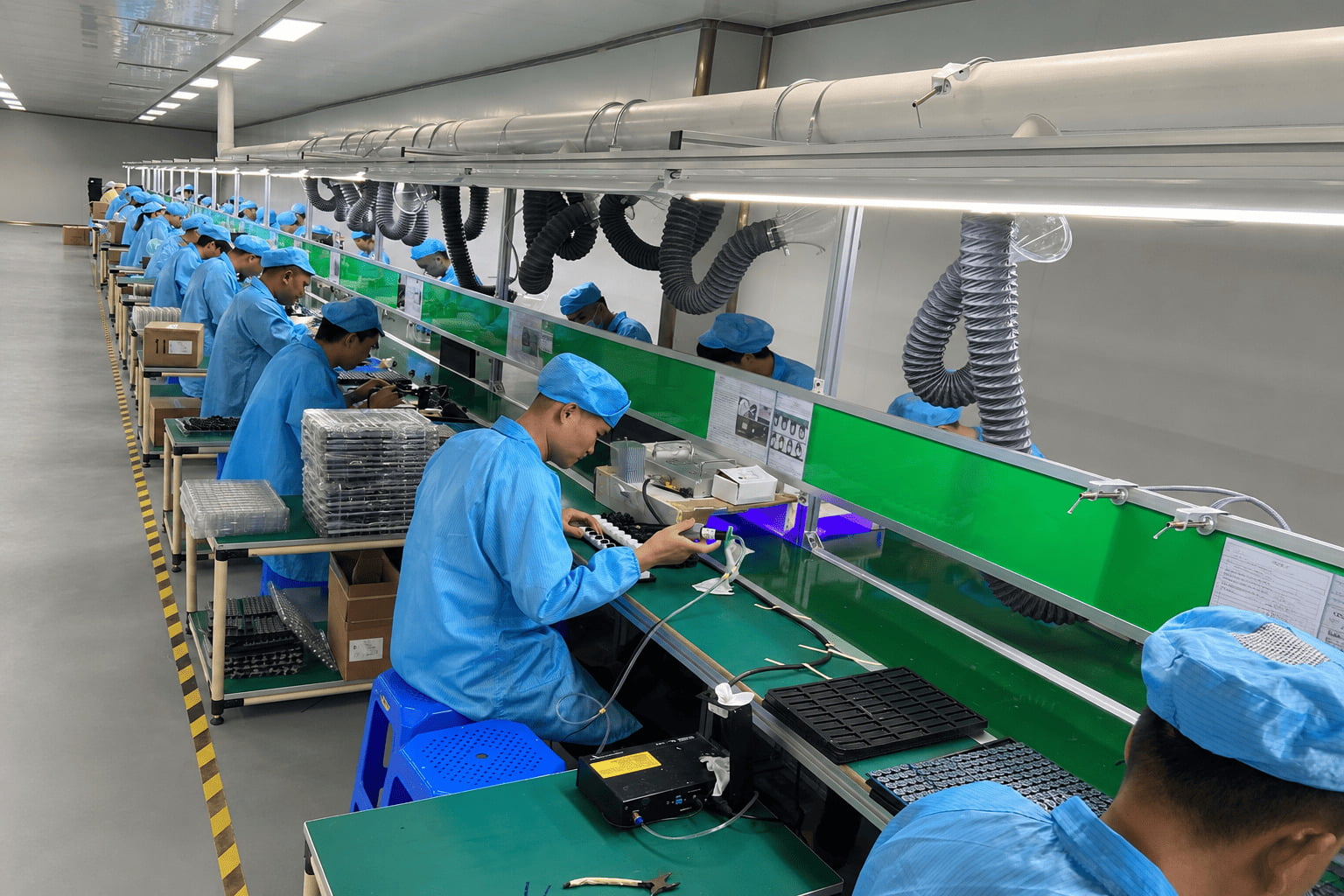
From my experience, when buyers ask if they can get 500 units with their logo, they often do not grasp the bigger picture. I get these questions all the time. They think it's just about printing. But it is much more complex. A factory sets an MOQ, a minimum order quantity, for good reasons. It is not arbitrary. It relates to how their production lines work.2 It also relates to how they buy components. For example, the chips, batteries, and even the plastic molds all have their own MOQs.3 If a factory accepts a small order, they might run it at a loss. Or, they might use leftover materials from other projects. This can lead to inconsistent quality.
When I talk about customization, I often see buyers confuse "logo printing" with "true ODM capability." Adding a logo is basic branding. It is usually a small part of the cost. It can often be done at lower volumes if the base product is standard. But true ODM, Original Design Manufacturing, is different. This means developing a unique product. It involves new molds, different chipsets, or specific software features.4 This requires significant investment. It needs engineering time. It needs testing. For this, a 3,000-unit MOQ is often even too low. You might need 5,000 or 10,000 units. Otherwise, the development costs per unit become too high. This makes the product too expensive to sell.
It is important to ask yourself: "What kind of customization do I truly need?"
Understanding Customization Tiers
| Customization Type | Description | Typical MOQ Implication |
|---|---|---|
| Logo Printing | Adding your brand's logo to existing product/packaging. | Possible at 500-1000 units (for standard models). |
| Packaging Design | Customizing the box, manual, or tray. | 1,000-2,000 units (printer MOQs). |
| Color Change | Producing the product in a specific non-standard color. | 2,000-3,000 units (material supplier MOQs). |
| Feature Addition | Adding new software features (e.g., app integration). | 3,000-5,000 units (firmware development cost). |
| Mold/Shell Design | Creating a completely new physical design for the earbuds. | 5,000-10,000+ units (high mold costs). |
Understanding these tiers helps you align your expectations. It also helps you understand the supplier's MOQ. For my clients, I always explain this. We can often do logo and packaging at 1,000 units for standard models. But anything deeper needs higher volumes. This makes sure the project is viable for both sides. It avoids disappointment later. This is a critical point for long-term partnership.
Are Product Certifications Just Pieces of Paper?
Worried about getting your earbuds through customs? Many buyers underestimate certification needs. They see them as just paperwork. But skipping certifications creates huge risks.
Product certifications like CE, RoHS, FCC, UN38.3, and MSDS are crucial legal documents proving compliance with safety and environmental standards. Ignoring them risks customs detention, market rejection, legal penalties, and significant financial losses, they are not just formalities.
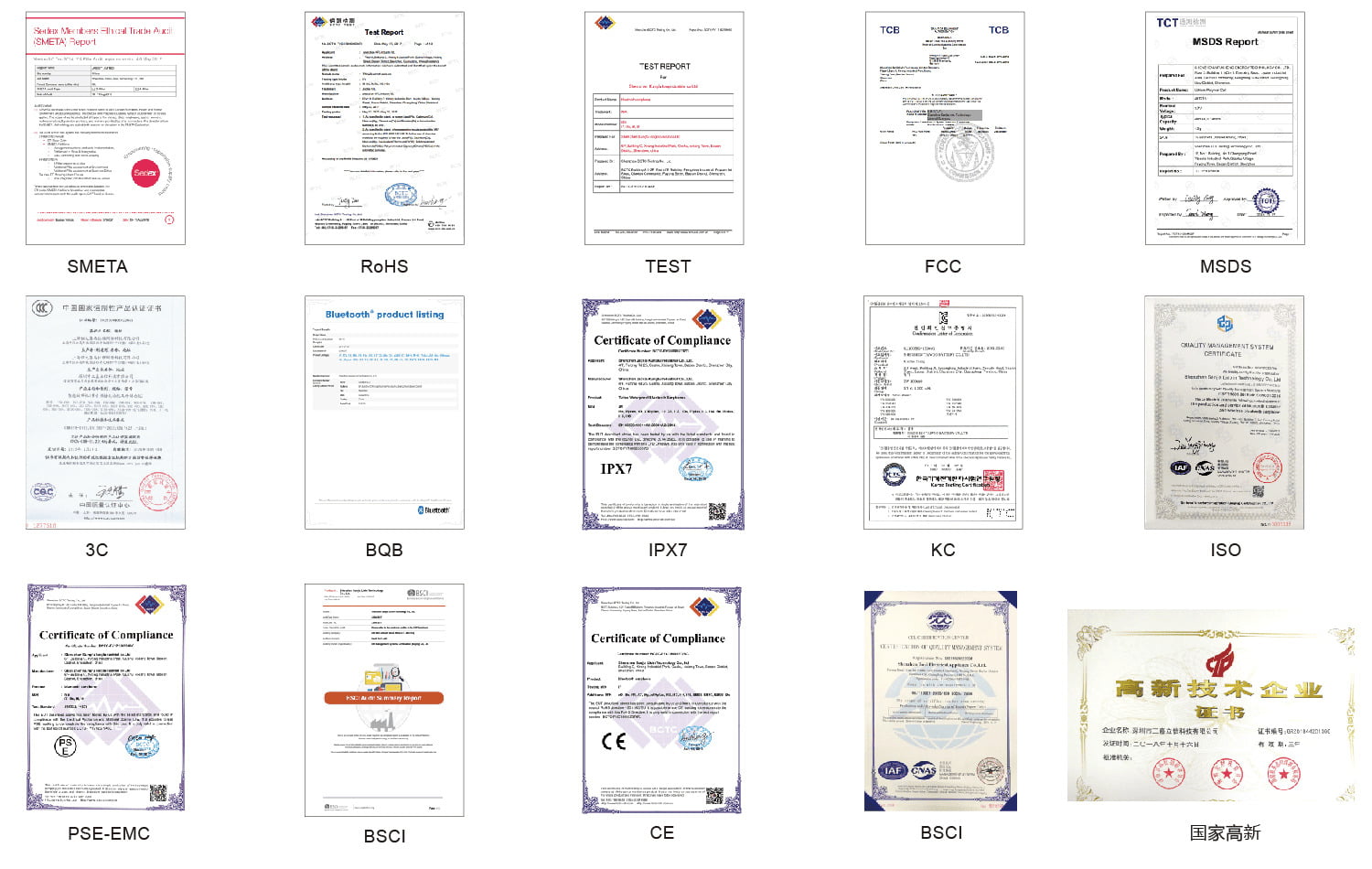
I have seen first-hand the problems that happen when buyers ignore certification. It is a common mistake. A client once placed a big order for Europe. They assumed the factory had all necessary certifications. They did not ask for specific documents. When the shipment arrived at customs, it was held.5 It lacked the proper CE declarations. It also lacked RoHS reports for their specific batch. The goods were stuck. The client faced massive storage fees. Eventually, they had to return the entire shipment. All their investment was lost. This scenario happens more often than you think. It is a real shame.
Many buyers think "certification" means one general document. This is not true. Each market has its own requirements. For example, Europe needs CE and RoHS. The USA needs FCC.6 For products with batteries, like Bluetooth earbuds, UN38.3 and MSDS are essential. These relate to safe transport.7 Without these, air cargo or sea cargo companies might refuse your shipment. Or, customs might stop it. These are not just administrative hurdles. They are about product safety. They are about environmental protection. They are about consumer trust.
A supplier might say they "have CE." But you need to ask: "For which specific model?" "When was it issued?" "Can you provide the full test reports, not just the certificate?" A true certificate is always linked to a specific product model. It has an issue date. It has testing labs listed. It is not just a generic paper. If the supplier cannot provide these details, be careful. This is a big red flag.
Key Certifications and Their Importance
| Certification | Market | Purpose | Risk of Skipping |
|---|---|---|---|
| CE | Europe | Conformance to health, safety, and environmental protection standards. | Customs detention, forced return, legal penalties, market ban. |
| RoHS | Europe | Restriction of Hazardous Substances in electrical and electronic equipment.8 | Environmental fines, market rejection, health risks. |
| FCC | USA | Controls electromagnetic interference from electronic devices.9 | Customs seizure, fines, inability to sell in the US. |
| UN38.3 | Global | Ensures safe transport of lithium batteries (e.g., by air or sea).10 | Shipment refusal, cargo delays, safety hazards, legal liability. |
| MSDS | Global | Material Safety Data Sheet for batteries, detailing safe handling/storage.11 | Shipping delays, safety risks, non-compliance with transport regulations. |
I always tell my clients to verify all certifications. Ask for copies. Check the dates. Ensure they match the product you are buying. This small step protects your investment. It protects your business. It makes sure your products can actually reach your customers. It is a safeguard against massive losses.
How Do You Pick a Supplier for Long-Term Trust?
Overwhelmed by too many supplier options? Finding a supplier is easy. Finding one you can trust for reorders is hard. Many buyers focus only on the first deal.
Choosing a long-term supplier means looking beyond the initial price. Assess their consistent quality, communication, reorder support, and ability to handle issues. A reliable partner minimizes your future risks and ensures stable supply, building trust over time.
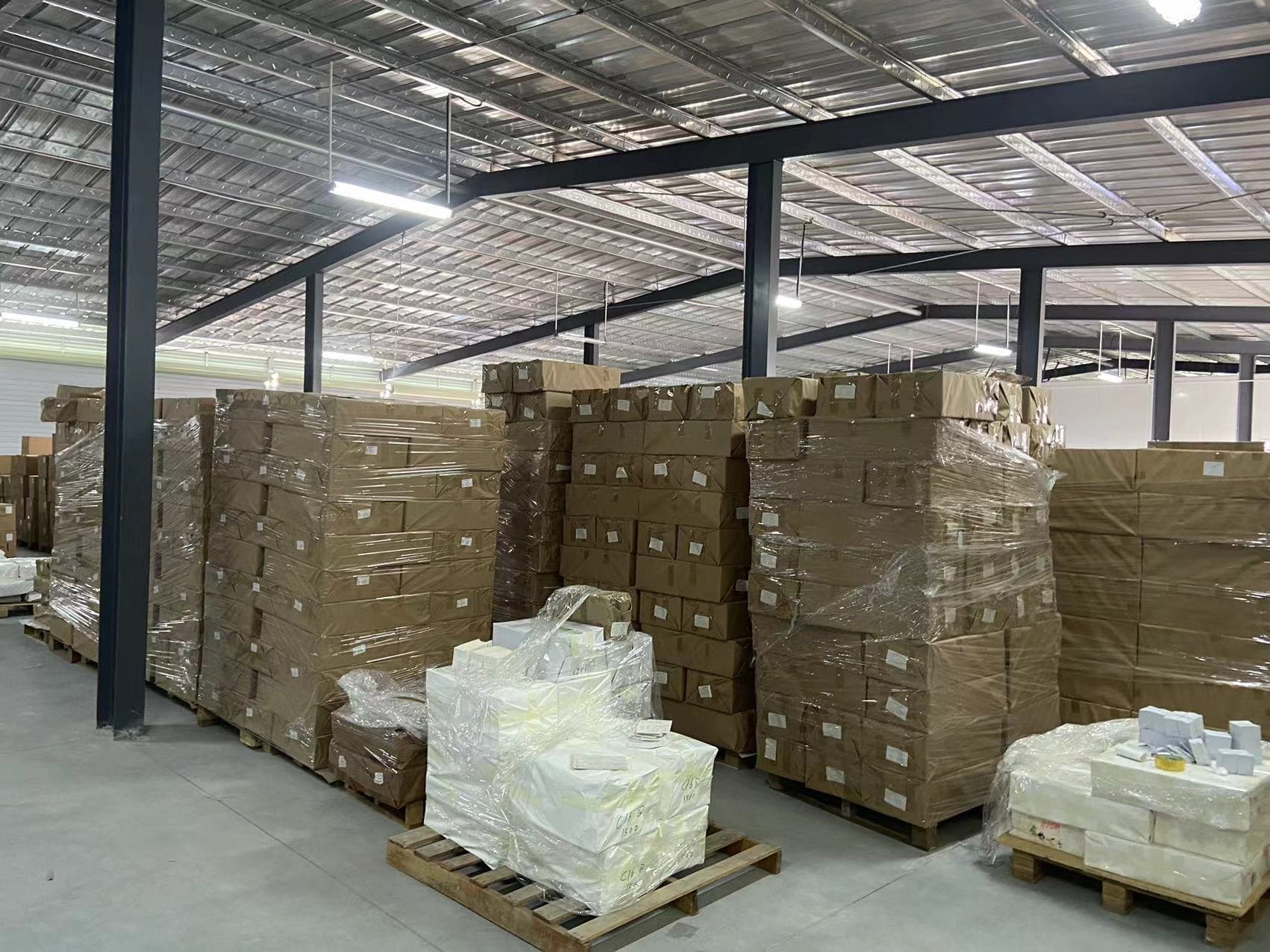
This is probably the hardest part for new importers. I understand the anxiety. You find a factory online. They promise everything. The price looks great. But can they deliver consistently? Will they support you on the second order, or the tenth? This is where many buyers make mistakes. They focus on the 'claims' instead of 'proof'.
I have seen clients jump to a new supplier because of a 10-cent price difference. Then, they get the goods. The quality is inconsistent. Some units fail immediately. Some have poor sound. They spend more time and money handling returns and complaints. In the end, that 10-cent saving cost them much more. A good supplier builds a relationship. They know your market. They understand your quality standards. They want your repeat business.
When I evaluate a supplier for our own sourcing, I look for several things. First, their responsiveness. Do they answer quickly? Do they understand my questions clearly? Second, their experience. Do they have a track record? Can they provide references? Third, their stability. Are they a factory with their own production? Or are they just a small trading office? This affects their ability to control quality and supply. Fourth, their after-sales support. What happens if there's a problem? How do they handle warranty claims?
It's not just about finding someone who 'can' produce. It's about finding someone who 'will' produce with consistent quality. It's about finding a partner who values your long-term success. This is especially true for us at Kerui Zhilian. We pride ourselves on stable partnerships with factories. This means we can offer stable quality and support to our buyers. We know what it takes for a product to sell well in markets like Russia or Europe. We use this insight to select our products.
Attributes of a Reliable Long-Term Supplier
| Attribute | What to Look For | Why It Matters |
|---|---|---|
| Consistent Quality | Proof of internal QC processes, low defect rates, sample consistency. | Reduces customer complaints, protects your brand reputation. |
| Clear Communication | Quick, honest, and comprehensive responses; good English. | Avoids misunderstandings, speeds up problem-solving. |
| Reorder Support | Consistent pricing for repeat orders, ability to meet deadlines. | Ensures stable inventory, reduces supply chain risk. |
| Problem Resolution | Proactive in addressing issues, offers fair solutions. | Minimizes losses from defects or shipping problems. |
| Market Insight | Understanding your market's needs, trends, and regulations. | Helps you select marketable products, reduces inventory risk. |
| Stable Capacity | Ability to scale production for larger or smaller orders. | Supports business growth and adapts to market demand. |
Remember, you are not just buying earbuds. You are buying a relationship. You are buying reliability. For my buyers, I emphasize evaluating the supplier's overall support system. This is more important than just the unit price. A trusted supplier saves you money and headaches in the long run.
Conclusion
Importing Bluetooth earbuds needs smart choices, not just low prices. Understand MOQs, verify certifications, and choose suppliers for long-term trust. This approach minimizes risks and builds a stable, profitable business.
"Raw Material Minimum Order Quantity Optimization - DSpace@MIT", https://dspace.mit.edu/handle/1721.1/121302. Manufacturing economics research demonstrates that batch production efficiency improves significantly at certain volume thresholds due to setup cost amortization and component purchasing economies of scale, though specific thresholds vary by product complexity and factory configuration. Evidence role: mechanism; source type: research. Supports: the relationship between order volume and production efficiency in electronics manufacturing. Scope note: General manufacturing principles rather than Bluetooth earbud-specific data ↩
"How to Leverage Economies of Scale to Grow Your Platform Business", https://online.hbs.edu/blog/post/economies-of-scale. Manufacturing operations research demonstrates that MOQs reflect the economic balance between fixed setup costs (line changeover, quality validation, material procurement) and variable production costs, with smaller batches incurring disproportionately high per-unit costs due to setup cost allocation. Evidence role: mechanism; source type: research. Supports: the economic factors that determine minimum viable production quantities. ↩
"Supply chain management - Wikipedia", https://en.wikipedia.org/wiki/Supply_chain_management. Supply chain research indicates that manufacturers face cascading MOQ constraints from component suppliers, particularly for specialized parts like integrated circuits and custom tooling, which aggregate to establish economically viable production volumes for finished products. Evidence role: mechanism; source type: research. Supports: how component-level MOQs influence finished product minimum order quantities. Scope note: General supply chain principles rather than Bluetooth earbud-specific analysis ↩
"Original design manufacturer - Wikipedia", https://en.wikipedia.org/wiki/Original_design_manufacturer. Original Design Manufacturing (ODM) is an industry-recognized model where manufacturers design and produce products that are then branded by other companies, typically involving proprietary design elements, tooling investment, and intellectual property development distinct from simple contract manufacturing. Evidence role: definition; source type: encyclopedia. Supports: the standard industry definition of Original Design Manufacturing and its distinguishing characteristics. ↩
"e-Allegations Program | U.S. Customs and Border Protection", https://www.cbp.gov/trade/programs-administration/e-allegations. Customs authorities in major markets routinely inspect imported electronics for compliance documentation and have legal authority to detain, refuse entry, or require re-export of shipments lacking required certifications, as part of market surveillance and consumer protection enforcement. Evidence role: general_support; source type: government. Supports: customs authorities' enforcement of product certification requirements. Scope note: General enforcement practice rather than specific statistical data on detention rates ↩
"Equipment Authorization | Federal Communications Commission", https://www.fcc.gov/engineering-technology/laboratory-division/general/equipment-authorization. The European Union mandates CE marking under various directives for product safety and RoHS compliance for hazardous substance restrictions in electronics, while the United States Federal Communications Commission requires FCC certification for radio frequency devices to control electromagnetic interference. Evidence role: general_support; source type: government. Supports: the regulatory frameworks requiring CE/RoHS compliance in Europe and FCC compliance in the United States. ↩
"Transporting Lithium Batteries | PHMSA", https://www.phmsa.dot.gov/lithiumbatteries. The United Nations Manual of Tests and Criteria, Section 38.3, establishes internationally recognized testing standards for lithium batteries in transport, which are adopted by aviation authorities (ICAO/IATA) and maritime organizations to ensure safe shipping of battery-containing devices. Evidence role: general_support; source type: institution. Supports: the international regulatory framework requiring UN38.3 testing for lithium battery transport. ↩
"RoHS - Wikipedia", https://en.wikipedia.org/wiki/RoHS. The European Union's Restriction of Hazardous Substances (RoHS) Directive 2011/65/EU restricts the use of specific hazardous materials (including lead, mercury, cadmium, and certain flame retardants) in electrical and electronic equipment to protect human health and the environment. Evidence role: definition; source type: government. Supports: the official purpose and scope of the RoHS directive. ↩
"47 CFR Part 15 -- Radio Frequency Devices - eCFR", https://www.ecfr.gov/current/title-47/chapter-I/subchapter-A/part-15. The U.S. Federal Communications Commission regulates radio frequency devices under Part 15 of FCC rules to limit electromagnetic interference that could disrupt authorized radio communications, requiring certification or declaration of conformity for devices that emit radio frequency energy. Evidence role: definition; source type: government. Supports: the regulatory purpose of FCC certification for electronic devices. ↩
"Lithium Battery Test Summaries (TS) | PHMSA", https://www.phmsa.dot.gov/training/hazmat/new-un-requirement-test-summaries. UN38.3 testing requirements, established in the UN Manual of Tests and Criteria, subject lithium batteries to eight specific tests (including altitude simulation, thermal cycling, vibration, and impact) to demonstrate safe transport characteristics, with results required by international air (ICAO/IATA) and maritime (IMO) transport regulations. Evidence role: mechanism; source type: institution. Supports: the safety testing framework established by UN38.3 for lithium battery transport. ↩
"[PDF] Hazard Communication Standard: Safety Data Sheets - OSHA", https://www.osha.gov/Publications/OSHA3514.html. Safety Data Sheets (SDS, formerly MSDS) are standardized documents under the Globally Harmonized System of Classification and Labelling of Chemicals (GHS) that communicate hazard information, safe handling procedures, emergency measures, and storage requirements for chemical substances and mixtures, including battery materials. Evidence role: definition; source type: institution. Supports: the standardized purpose and content of Safety Data Sheets. ↩