How Can Durable Earbud Design Truly Reduce Electronic Waste for My Business?
Are your customers complaining about earbuds failing too soon? High return rates not only frustrate buyers but also pile up electronic waste.1 I see this issue often.
Durable earbud design significantly reduces electronic waste by preventing premature failure.2 I focus on key components like battery quality, shell material, and waterproof sealing. This approach directly lowers warranty claims and boosts customer satisfaction for B2B buyers.
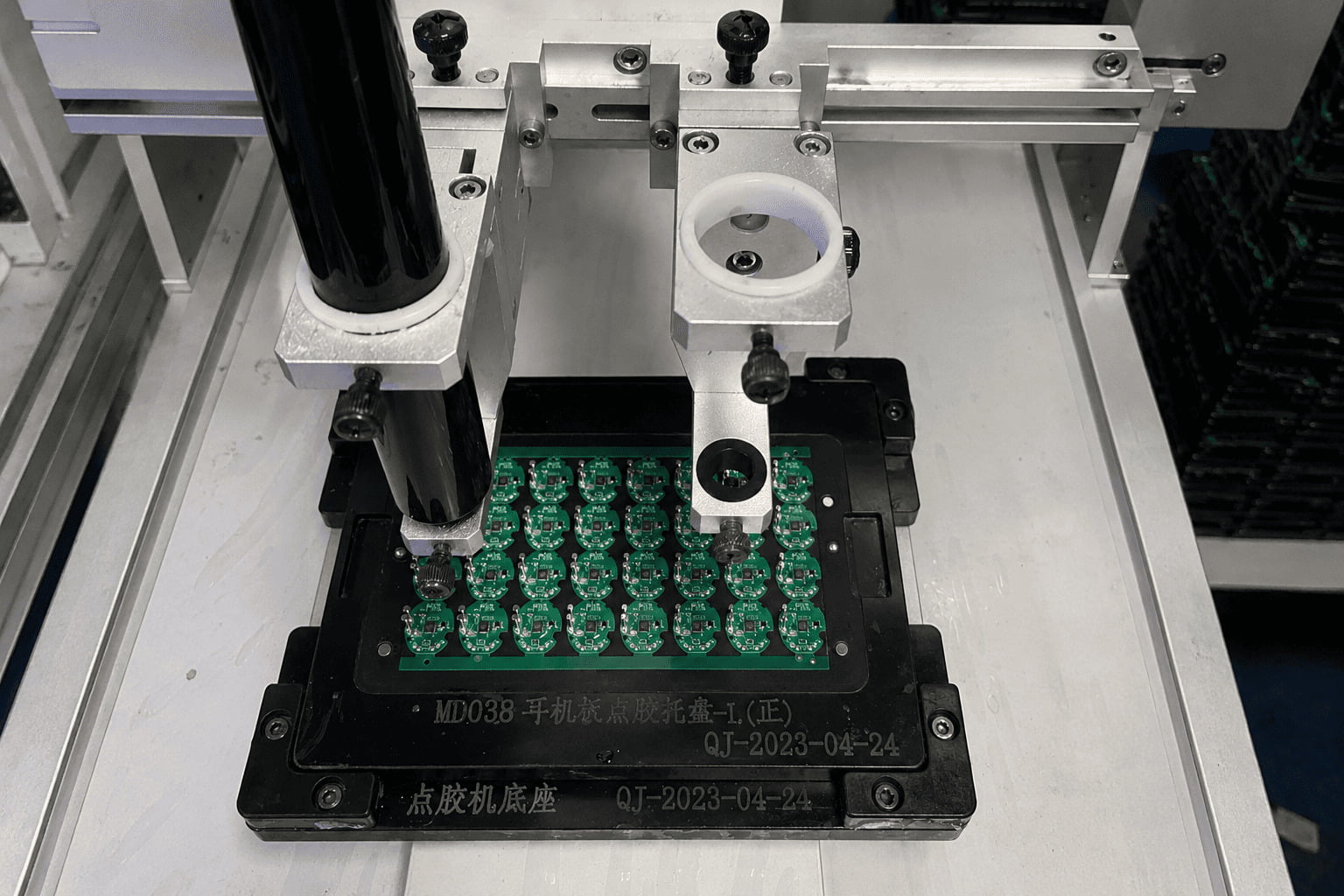
I constantly hear from wholesalers and distributors about product lifespans. They want earbuds that last. I understand this. It means less hassle for them and happier end-users. I want to share what I've learned about making sure the earbuds you source stand the test of time. I will show how specific design choices prevent common failures. This helps reduce electronic waste3. It also protects your bottom line.
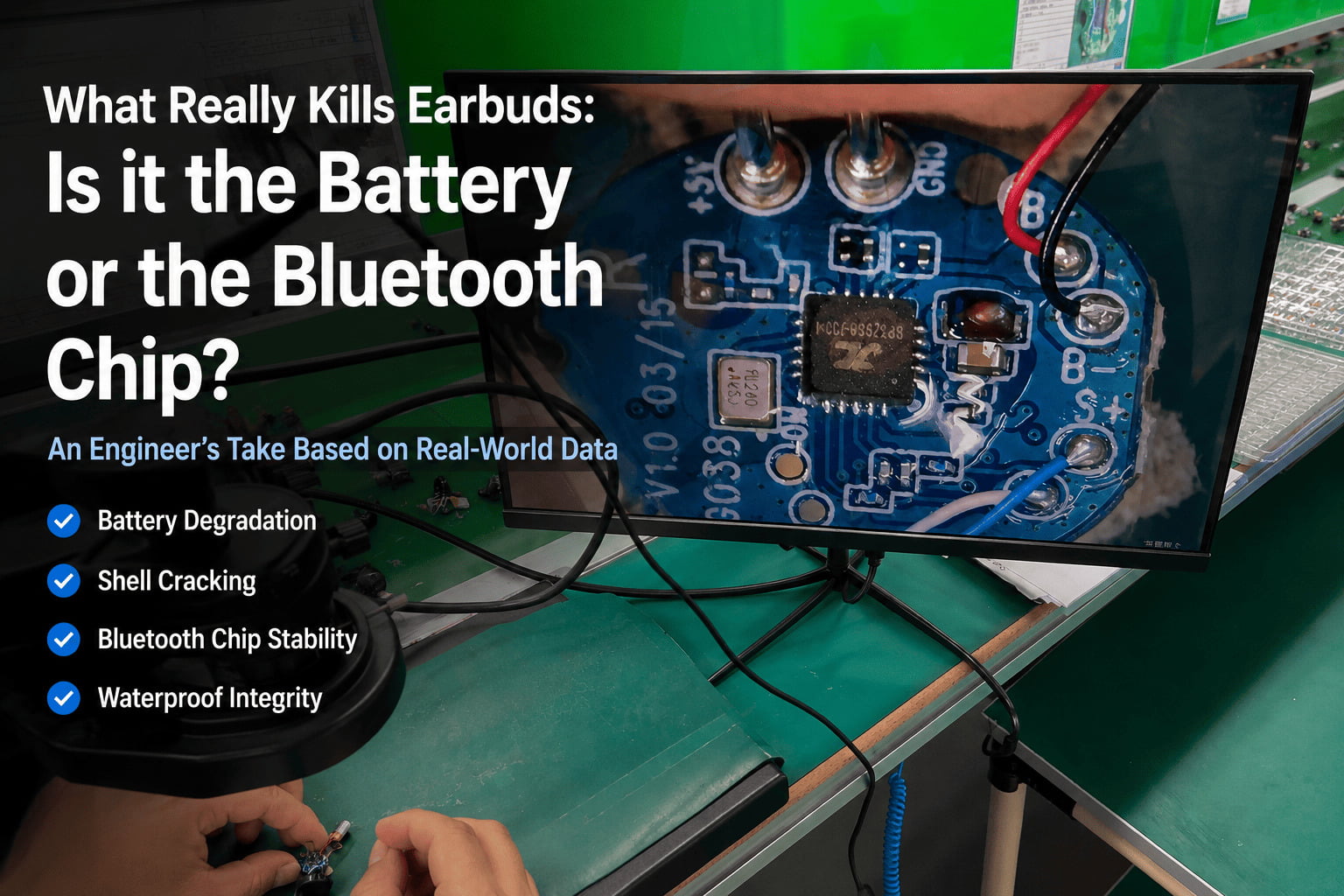
What Really Kills Earbuds: Is it the Battery or the Bluetooth Chip?
Are your returns mostly due to Bluetooth issues or battery problems? Many buyers focus on chip versions. But I've found the real culprits are often different.
I've observed that battery degradation and shell cracking cause most mid-range earbud failures, not Bluetooth module defects. Buyers often overlook these critical points. These issues lead to premature disposal and warranty claims.
I often see customer complaints about earbuds dying after a few months. Most people assume the Bluetooth chip failed. Or they think the audio quality dropped. But this is rarely the case for mid-range products. From my experience with consumer markets, the main reasons for early failure are usually simpler. The battery inside loses its ability to hold a charge. Or the outer shell cracks from drops or pressure. These two issues make up a large percentage of returns. A common "A" grade battery cell from a qualified supplier should offer at least 300-500 charge cycles before significant capacity loss.4 Lower grade "B" cells, however, can show severe degradation much faster, sometimes within 100-150 cycles.5 This means the earbud becomes unusable quickly. The shell material also plays a huge role. Basic ABS plastic6 is common. But an ABS+PC blend offers much better impact resistance7. This blend prevents cracks from everyday knocks and drops. Focusing only on the latest Bluetooth version, like 5.3 or 5.48, can distract buyers. I believe the core components, like the battery and shell, are more important for long-term use. This focus helps avoid costly returns later on.
Common Failure Points I've Observed
Battery Degradation: The Silent Killer
Many earbuds fail because their batteries degrade too fast. They lose charge capacity. This makes the earbuds useless.
Shell Cracking: Physical Weakness
Everyday drops can crack earbud shells. Weak materials lead to breakage. This damages internal parts.
Why Other Issues Are Less Common
Bluetooth module failures are rare with established manufacturers. Audio driver issues are also infrequent. My observations show component quality for these parts is generally good.
| Failure Type | Typical Cause | Impact on User Experience | Likelihood in Mid-Range Earbuds |
|---|---|---|---|
| Battery Degradation | Low-grade cells, poor charging circuits | Short playtime, sudden death | High |
| Shell Cracking | Weak material (ABS), poor structural design | Discomfort, internal damage | High |
| Bluetooth Module | Rare in qualified chips, connection issues | Intermittent audio, pairing fail | Low |
| Audio Driver Failure | Manufacturing defects, extreme conditions | No sound, distorted audio | Low |
How Do I Spot a Truly Durable Earbud Design in Specs?
You want durable earbuds, but marketing claims can be confusing. How do you really know if a design is tough? I can show you.
I look for verifiable specifications, not vague claims. Key indicators include specific battery cell grades, robust shell material blends, actual sealed waterproof structures, and stable pairing chip performance. These details predict real-world durability.
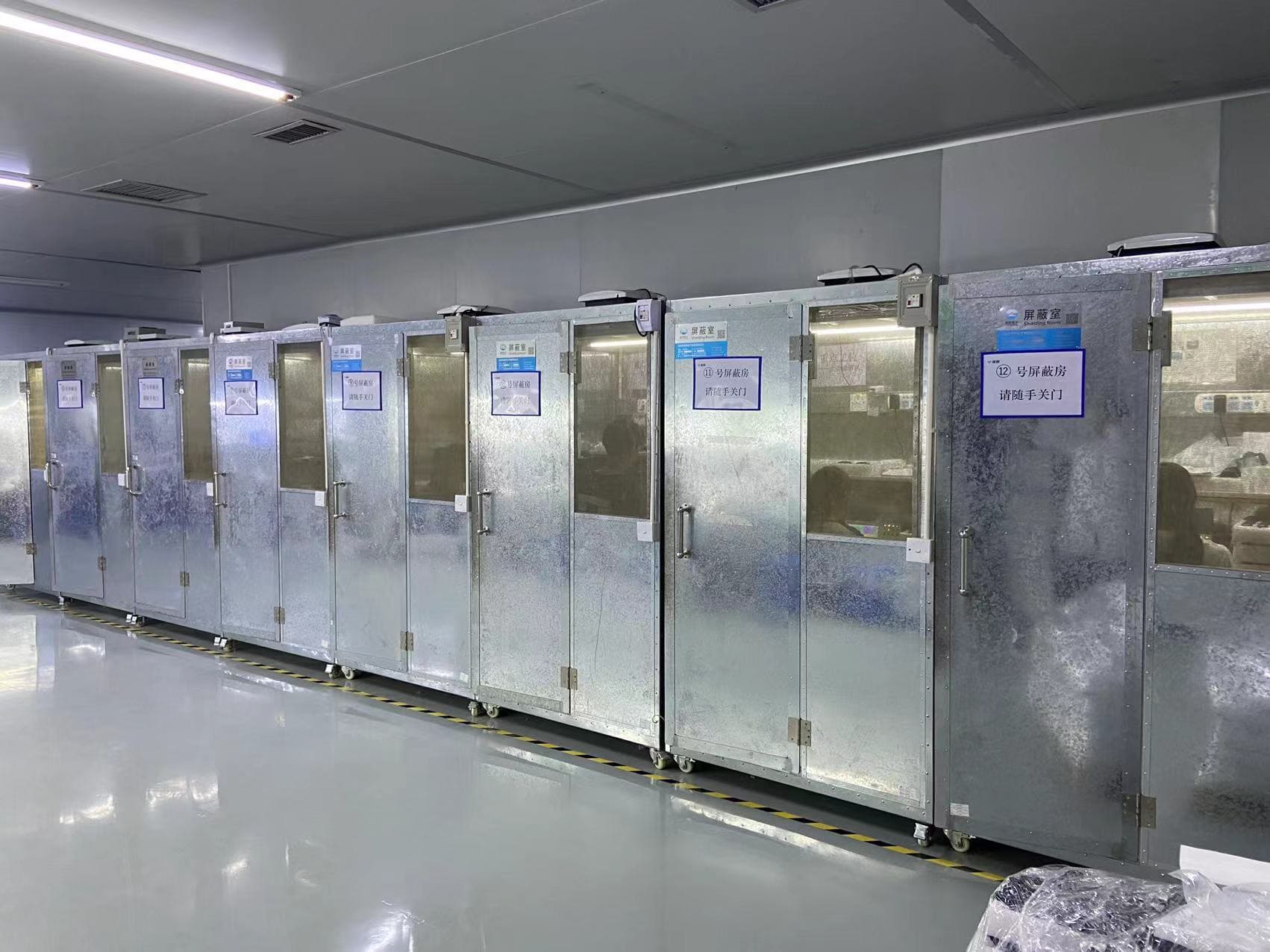
When I evaluate potential products, I go beyond the marketing fluff. A truly durable design means specific, measurable details. For batteries, I ask about the cell grade. Qualified suppliers often use "A" grade cells. These cells come from reputable manufacturers and have consistent performance data. Lower grades might be cheaper but lead to rapid capacity loss. For the earbud shell, I check the material. Many use standard ABS plastic. But an ABS+PC (Acrylonitrile Butadiene Styrene + Polycarbonate) blend provides much better impact resistance. This makes the earbuds less prone to cracking when dropped. Waterproof ratings also need careful inspection. An "IPX4" label is good.9 But I need to see how it achieves that rating. Is it just a coating, or does it have proper internal seals and gaskets? A truly sealed structure is much better than just a splash-resistant coating. Finally, the pairing chip stability is crucial. A good chip will reconnect quickly and reliably, even after many pairing/unpairing cycles. Some chips struggle with this. This leads to user frustration. These are the details that matter.
Battery Cell Grade: Beyond "Good Quality"
"A-grade" cells are standard for reliable products. They offer consistent performance. I always confirm the cell supplier and grade.
Shell Material: The Impact Resistance Factor
ABS+PC blends are superior to pure ABS. They withstand drops much better. This prevents physical damage.
Waterproof Rating: Label vs. Real Protection
An IPX rating means little without a proper sealed structure. I look for visible gaskets and seals, not just a claimed rating.
Pairing Chip Stability: A Hidden Durability Metric
A stable chip connects fast and reliably, every time. Poor chips cause user frustration. This leads to perceived defects.
| Component Type | Question to Ask Supplier | Ideal Specification | Risk of Poor Spec |
|---|---|---|---|
| Battery | "What is the cell grade?" | A-grade from known manufacturer | Rapid capacity loss, early failure |
| Shell Material | "What material is used for the casing?" | ABS+PC blend, preferably with matte finish | Cracking, scratching, poor feel |
| Waterproofing | "How is the IPX rating achieved?" | Fully sealed internal structure, gaskets | Water damage, internal corrosion |
| Pairing Chip | "Can you share data on reconnection stability?" | Stable pairing over 100+ cycles, quick reconnect time | User frustration, perceived defect |
Why Should B2B Buyers Care About Earbud Durability and E-Waste?
You might think e-waste is just an environmental issue. But for B2B buyers like you, it has direct business costs. I see this impact firsthand.
I believe durable earbuds reduce e-waste and directly protect distributor margins. High return rates from poor quality products mean increased warranty costs, logistical burdens, and damaged brand reputation. This turns an environmental concern into a key business advantage.
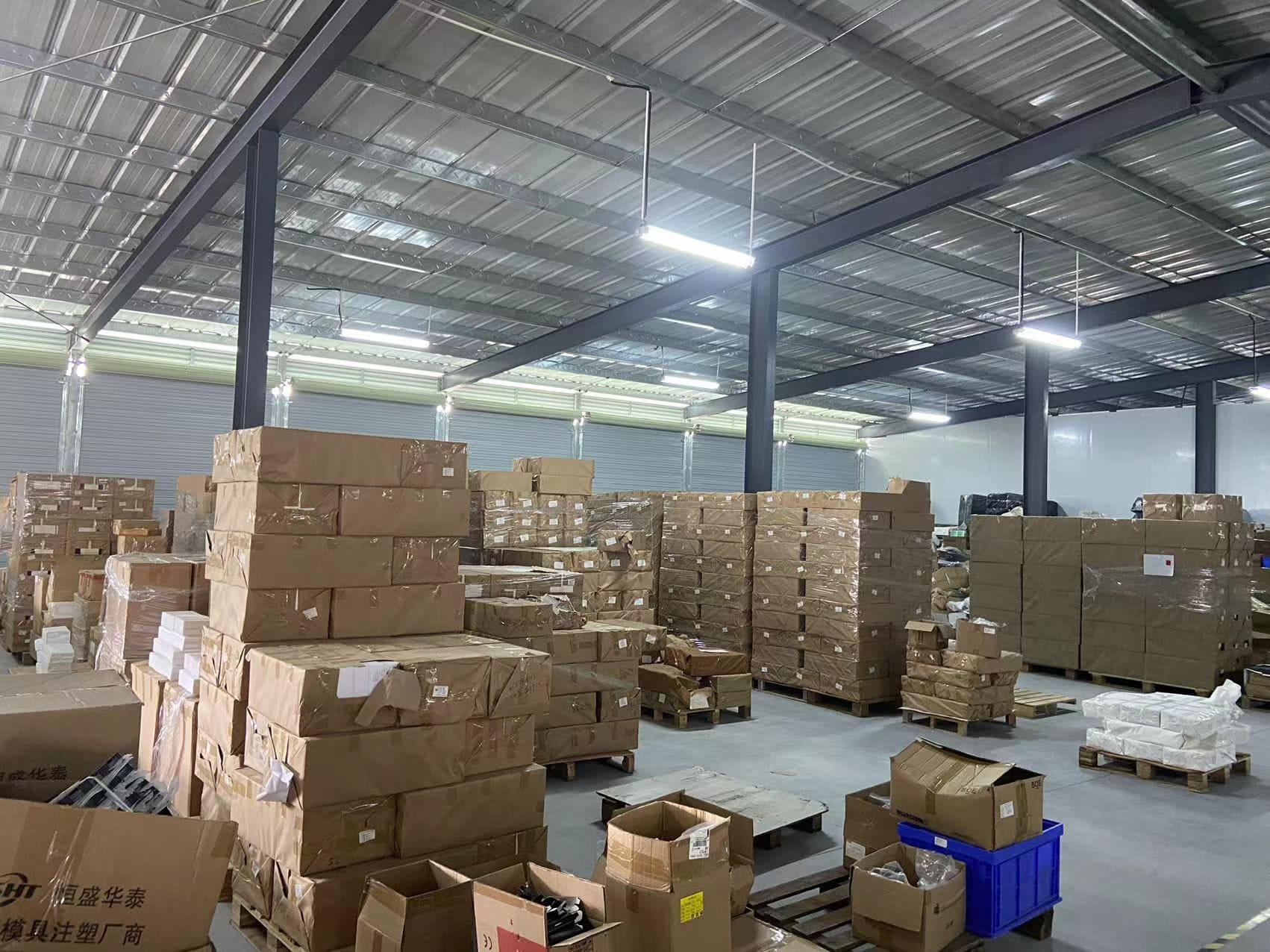
When earbuds fail prematurely, it creates a ripple effect. For B2B buyers, this means more than just unhappy end-users. I have seen how this impacts profitability. Every returned item is a loss. It involves processing fees, shipping costs for returns, and potential repair or replacement expenses. These warranty costs add up quickly. They can eat into your profit margins.10 Beyond the direct financial hit, there's the damage to your brand. Customers lose trust when products consistently break. This leads to negative reviews. It also makes future sales harder. Poor quality can destroy a brand's reputation.11 This is especially true in a competitive market. Reducing electronic waste is indeed a global environmental goal. But for wholesalers and distributors, it translates into concrete business benefits. It means less money spent on handling defects. It means more satisfied customers. It also means a stronger, more reliable product line. This helps your business grow. I always tell my clients that investing in durable products is not just a 'nice to have.' It's a strategic business decision. It minimizes risk and builds long-term success.
The Hidden Cost of Returns: Warranty and Logistics
Returns cost money. They mean shipping, processing, and replacement expenses. These eat into profit margins quickly.
Brand Reputation: More Than Just a Feeling
Bad products lead to bad reviews. This makes customers lose trust. A damaged reputation is hard to fix.
Competitive Advantage: Stand Out with Quality
Reliable products make your business stand out. They reduce customer complaints. This builds customer loyalty and repeat sales.
| Aspect of Impact | Short-Term Effect | Long-Term Effect | My Observation (B2B Context) |
|---|---|---|---|
| Financial Cost | Direct warranty claim costs, shipping | Reduced profit margins, cash flow issues | Often underestimated by buyers, leads to price pressure on suppliers. |
| Brand Reputation | Negative reviews, customer complaints | Loss of customer loyalty, market share erosion | Hard to rebuild trust once lost, impacts future sales. |
| Operational Burden | Increased return processing, QC checks | Resource drain, less focus on growth | Distracts from core business development, adds stress. |
| Environmental Impact | Increased e-waste, resource depletion | Regulatory pressure, negative public image | While secondary to profit, it becomes a marketing angle for responsible brands. |
What Specific Checks Should Buyers Make When Sourcing Durable Earbuds?
You now know why durability matters. But how do you enforce it when talking to suppliers? I have specific checkpoints that I recommend.
I advise buyers to require battery discharge data and shell drop test reports. You must verify waterproof structures during sample inspection. Also, check pairing stability over many reconnection cycles. These steps ensure product quality before bulk orders.
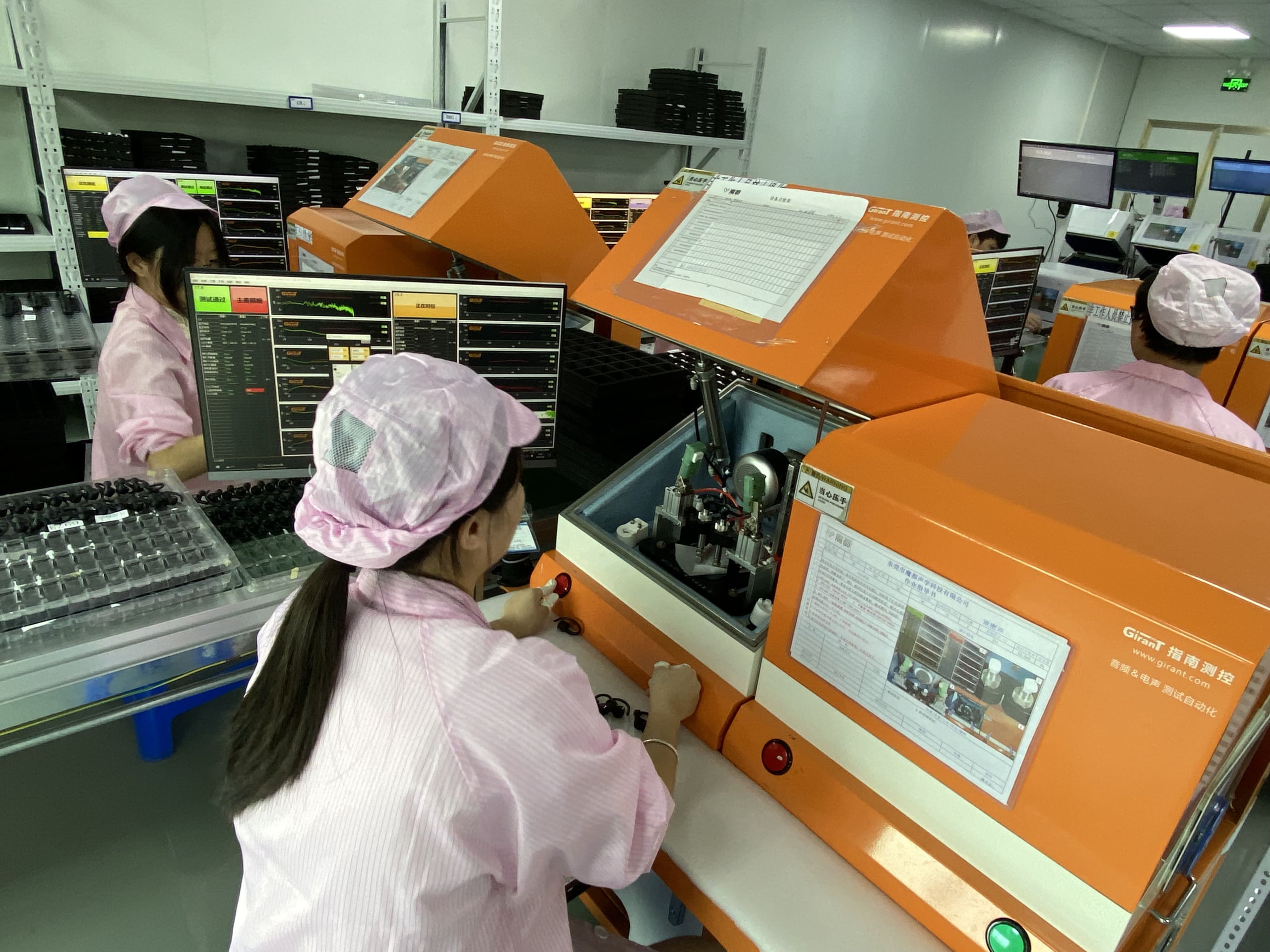
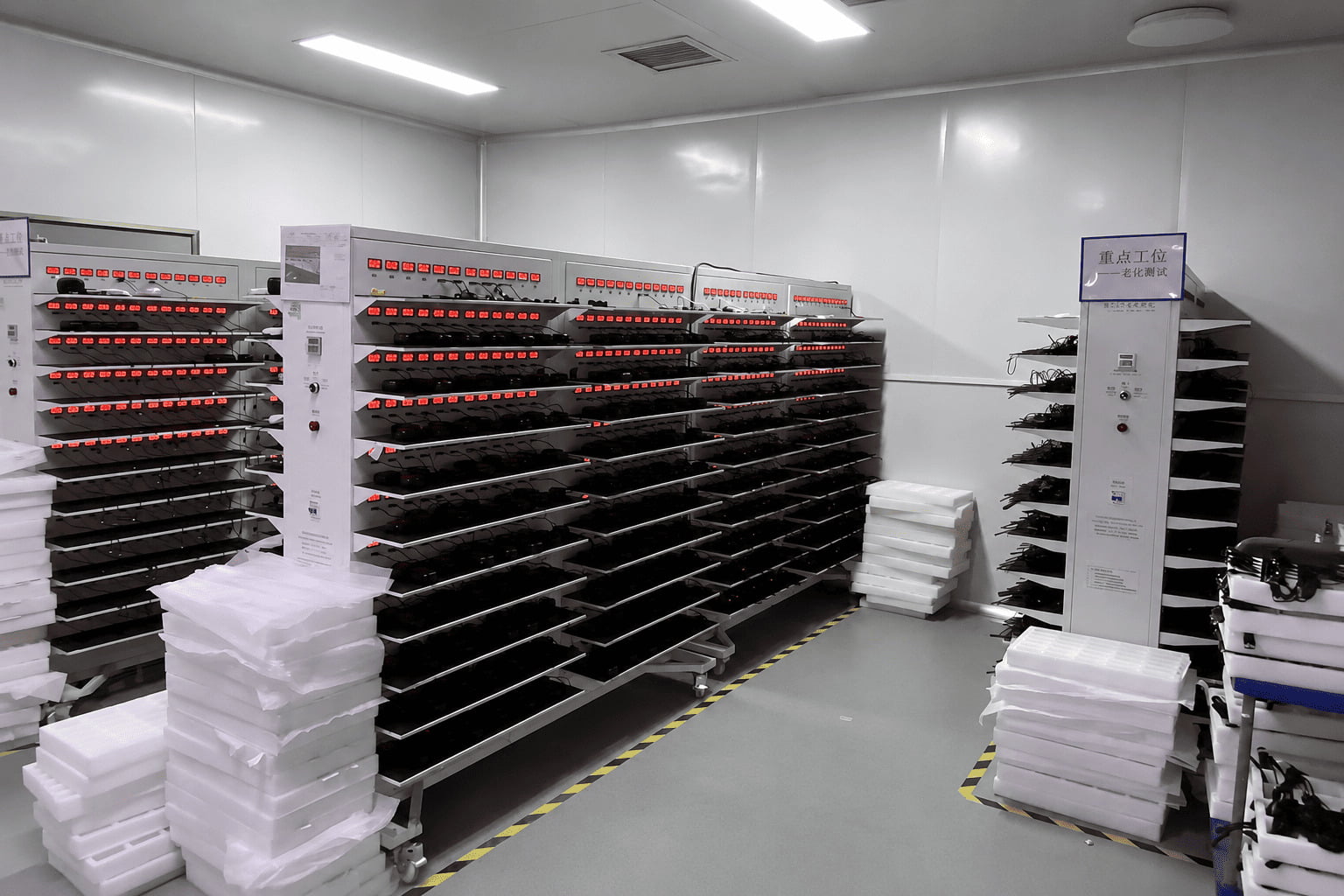
When I work with my partner factories, I focus on specific quality checkpoints. These go beyond just looking at datasheets. For the battery, I always ask for discharge curve data. This data shows how the battery performs under load over time. I compare this to the specified capacity. I want to see a stable curve. This helps confirm that "A" grade cells are indeed used. For the shell, I request drop test reports. A qualified supplier should have these. They show how well the earbuds withstand falls from standard heights. This confirms the material strength and structural integrity. When I receive samples, I don't just test functionality. I examine the waterproof design. If it's rated IPX4, I look for actual seals and gaskets. I want to see proper engineering, not just a claim. I also pay close attention to the pairing chip. I suggest performing at least 100 reconnection cycles.12 This involves connecting, disconnecting, and reconnecting the earbuds to various devices. I check for consistent, quick pairing. If there are delays or failures, it indicates a weak chip or firmware. These checks are crucial. They help you avoid high return rates. They also build a strong product line.
Battery Performance: Requesting Discharge Data
Ask suppliers for battery discharge curves. This data shows real performance. It helps confirm battery cell quality.
Shell Robustness: Drop Test Reports
Require drop test reports from suppliers. These prove the shell's strength. They confirm impact resistance.
Waterproof Integrity: Hands-On Sample Inspection
Visually inspect samples for proper seals and gaskets. Don't just trust an IPX rating. Look for actual physical protection.
Pairing Reliability: Stress Testing the Chip
Test pairing stability with many reconnections. Use various devices. This identifies weak chips or firmware.
| Checkpoint | What to Request/Do | Why it Matters | My Actionable Advice |
|---|---|---|---|
| Battery Quality | Battery discharge curve data (supplier) | Verifies A-grade cells, capacity consistency | Ask for data for first batch & spot checks on later batches. |
| Shell Durability | Drop test reports (supplier) | Confirms impact resistance, material integrity | Insist on tests from specific heights & surface types (e.g., concrete). |
| Waterproofing | Sample teardown, visual inspection | Confirms actual seals vs. just coating | Manually inspect gaskets, sealing rings during sample review. |
| Pairing Stability | 100+ reconnection cycle test (in-house) | Reveals chip/firmware weaknesses, user frustration | Test with multiple devices, varied environments. |
| Material Grade | Material data sheet (supplier) | Confirms ABS+PC blend, fire rating | Verify material density and composition from datasheets. |
Conclusion
Durable earbud design is a strategic business choice. It actively reduces electronic waste, lowers warranty costs, and boosts customer trust. By focusing on battery quality, shell materials, and verifiable specifications, I believe B2B buyers can ensure long-lasting products and greater success.
"Cleaning Up Electronic Waste (E-Waste) | US EPA", https://www.epa.gov/international-cooperation/cleaning-electronic-waste-e-waste. Environmental studies on reverse logistics indicate that returned electronics often enter waste streams prematurely, as economic factors frequently make refurbishment unviable, contributing to the growing global e-waste challenge. Evidence role: general_support; source type: research. Supports: the environmental impact of product returns in electronics. Scope note: Impact varies by product category and regional recycling infrastructure ↩
"Electronics Basic Information, Research, and Initiatives | US EPA", https://www.epa.gov/electronics-batteries-management/electronics-basic-information-research-and-initiatives. Life cycle assessment research shows that extending product lifespan through durable design is among the most effective strategies for reducing e-waste, as it delays disposal and reduces the frequency of replacement purchases. Evidence role: mechanism; source type: research. Supports: how product longevity affects electronic waste generation. ↩
"Electronic waste (e-waste) - World Health Organization (WHO)", https://www.who.int/news-room/fact-sheets/detail/electronic-waste-(e-waste). According to the United Nations Global E-waste Monitor, global e-waste generation reached 53.6 million metric tons in 2019 and continues to grow at approximately 2 million tons annually, with only 17.4% formally collected and recycled. Evidence role: statistic; source type: institution. Supports: the scale of global electronic waste generation. ↩
"[PDF] Strategies to limit degradation and maximize Li-ion battery service ...", https://deepblue.lib.umich.edu/bitstreams/694fa384-dd9f-406a-8765-c1e86aa78485/download. Research on lithium-ion battery degradation indicates that quality cells typically maintain 80% capacity after 300-500 full charge-discharge cycles, though actual performance varies with charging protocols and operating conditions. Evidence role: statistic; source type: research. Supports: typical cycle life ranges for lithium-ion cells used in consumer electronics. Scope note: Cycle life depends on charging rate, depth of discharge, and temperature conditions ↩
"[PDF] Cycle Life of Lithium-ion Batteries in Combination with ...", https://steps.ucdavis.edu/wp-content/uploads/2017/05/BURKE-ZHAO-EVS30Lifecyclepaper2017_ver1.pdf. Studies on battery cell quality variation show that lower-grade cells may experience accelerated capacity fade, with some losing significant capacity within 100-200 cycles due to manufacturing inconsistencies and material quality differences. Evidence role: statistic; source type: research. Supports: degradation patterns in lower-quality battery cells. Scope note: B-grade is not a standardized industry term; degradation rates vary by manufacturer ↩
"Acrylonitrile butadiene styrene", https://en.wikipedia.org/wiki/Acrylonitrile_butadiene_styrene. Acrylonitrile Butadiene Styrene (ABS) is a common thermoplastic polymer widely used in consumer electronics housings due to its ease of processing, moderate cost, and reasonable mechanical properties, though it has lower impact resistance than polycarbonate blends. Evidence role: definition; source type: encyclopedia. Supports: the material properties and typical uses of ABS plastic. ↩
"PC-ABS", https://wsemanufacturing.jhu.edu/wp-content/uploads/2018/01/PC-ABS-Material-Properties-and-MSDS.pdf. Materials engineering research demonstrates that ABS/PC blends combine the processability of ABS with polycarbonate's superior impact strength, typically showing 2-3 times higher impact resistance than pure ABS in standardized tests. Evidence role: mechanism; source type: research. Supports: mechanical property advantages of ABS+PC blends over pure ABS. Scope note: Actual performance depends on blend ratio and processing conditions ↩
"Bluetooth - Wikipedia", https://en.wikipedia.org/wiki/Bluetooth. The Bluetooth Special Interest Group released Bluetooth 5.3 in July 2021 and Bluetooth 5.4 in February 2023, introducing incremental improvements in connection efficiency, periodic advertising, and power consumption. Evidence role: definition; source type: institution. Supports: the existence and release timeline of Bluetooth 5.3 and 5.4 standards. ↩
"IP code - Wikipedia", https://en.wikipedia.org/wiki/IP_code. The IPX4 rating, defined in IEC standard 60529, certifies protection against water splashes from any direction, indicating resistance to light rain or sweat but not submersion or high-pressure water jets. Evidence role: definition; source type: institution. Supports: the technical meaning of IPX4 water resistance rating. ↩
"[PDF] Evidence from the Extended Warranty Market", https://faculty.wharton.upenn.edu/wp-content/uploads/2018/07/ExtendedWarranties_AbitoSalant.pdf. Business research on quality costs indicates that warranty expenses typically represent 2-4% of revenue in consumer electronics, with poor-quality products potentially doubling this burden and significantly eroding profit margins in competitive markets. Evidence role: general_support; source type: research. Supports: the financial burden of warranty claims on businesses. Scope note: Impact varies widely by product category, price point, and warranty terms ↩
"Impact of Perceived Product Value on Customer-Based Brand Equity", https://pmc.ncbi.nlm.nih.gov/articles/PMC9280421/. Marketing research consistently demonstrates that product quality is a primary driver of brand reputation, with quality failures leading to negative word-of-mouth, reduced repurchase intention, and long-term erosion of brand equity that can take years to rebuild. Evidence role: general_support; source type: research. Supports: how product quality affects brand perception and customer loyalty. ↩
"On Secure Simple Pairing in Bluetooth Standard v5.0-Part I - PMC", https://pmc.ncbi.nlm.nih.gov/articles/PMC6427610/. Reliability engineering practices for consumer electronics typically employ cycle testing in the range of 100-1000 cycles to identify early-life failures and design weaknesses, with 100 cycles representing a minimum threshold for basic functional validation. Evidence role: general_support; source type: research. Supports: appropriate cycle counts for reliability testing of wireless devices. Scope note: Comprehensive reliability testing often requires significantly higher cycle counts ↩