
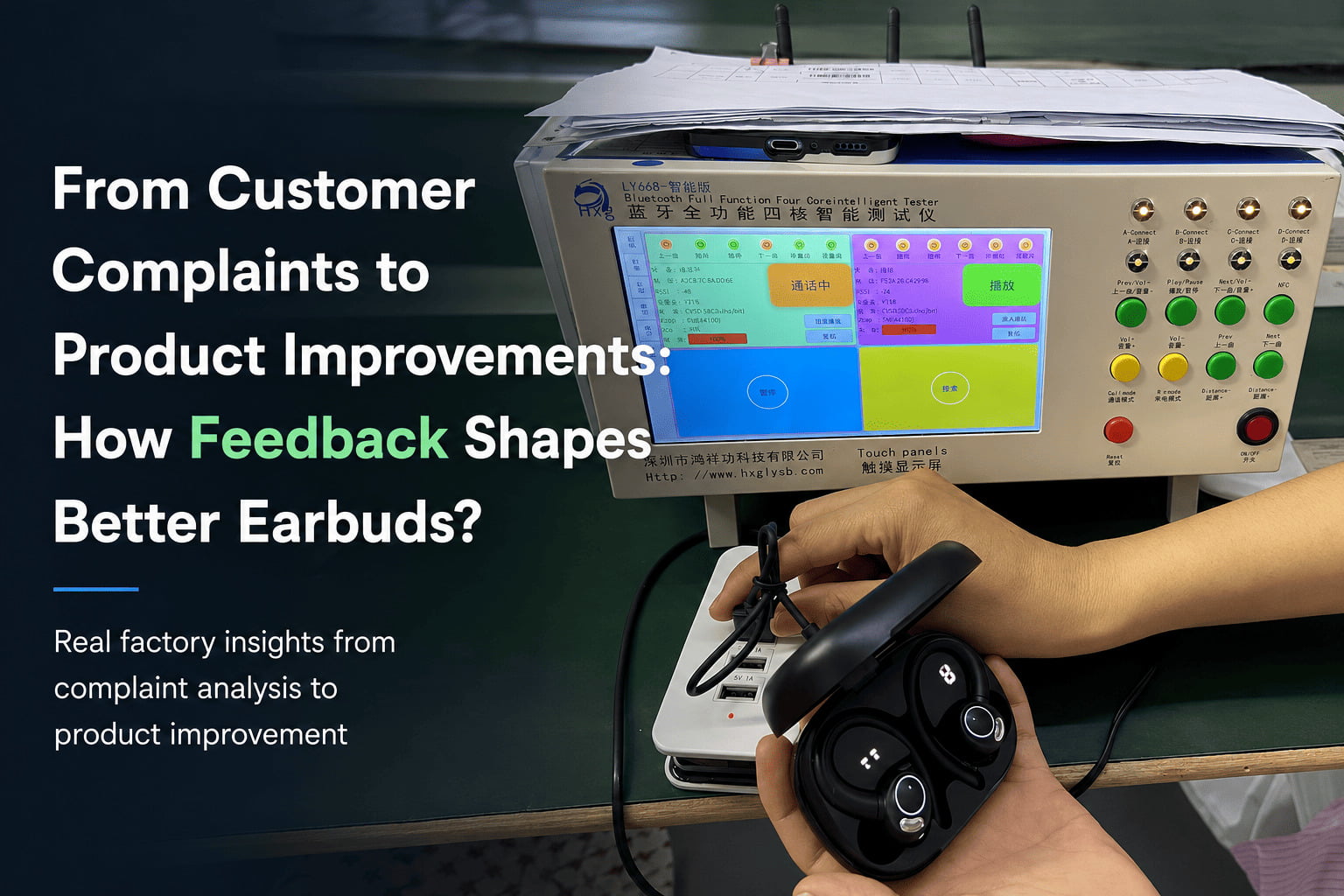
Dealing with customer complaints about earbuds can be a challenging experience for any wholesaler, potentially eroding trust and impacting future sales. When issues arise, from connectivity dropouts to battery life discrepancies, the real test of a supplier isn't whether problems occur, but how effectively they are managed and transformed into tangible improvements. This process is crucial for maintaining stable supply chains and building lasting B2B relationships.
Effective handling of customer complaints by a supplier transforms negative feedback into a powerful engine for product improvement, ensuring that issues with earbuds are classified, investigated with manufacturing partners, and lead to verifiable adjustments in production, quality control, or product documentation. This proactive approach helps wholesalers reduce risks, manage end-user expectations, and secure more reliable, market-ready products for their distribution networks.

Understanding the nuances of various complaint types and how to translate them into actionable factory adjustments is paramount. Let's delve into how a structured approach to customer feedback can drive significant enhancements for earbuds and other smart electronics, providing greater confidence for your bulk procurement decisions.
What Are the Key Types of Earbuds Complaints, and How Do We Classify Them?
Receiving feedback, especially negative feedback, can feel overwhelming when you're managing large wholesale orders of earbuds. Without a clear system, it's difficult to pinpoint the root cause or communicate effectively with manufacturing partners. This uncertainty can lead to delays, frustration, and a damaged reputation with your end customers.
At Shenzhen Kerui Zhilian, we classify customer complaints into three primary categories to ensure targeted resolution and continuous product improvement: batch quality issues, expectation management problems, and isolated individual defects. Each category demands a distinct investigative path and a specific set of actions with our factory partners.
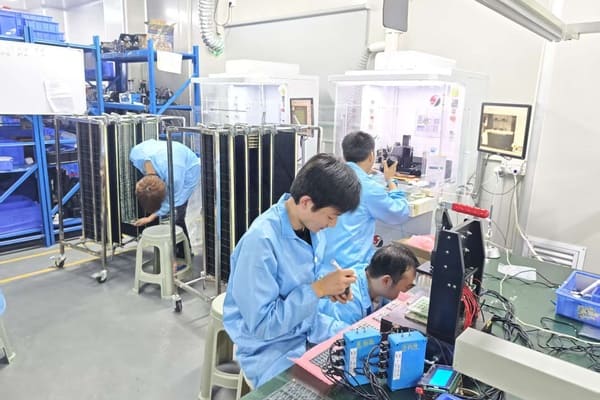
Dive Deeper: Deconstructing Earbuds Feedback for Actionable Insights
From my experience managing after-sales for wholesale clients, a raw complaint like "my earbuds stopped working" isn't enough. We need to dissect it to understand why and how to prevent it from recurring. This often involves asking for detailed information, photos, or even videos from the end-user, which I then translate into technical terms for our manufacturing partners.
1. Batch Quality Issues: Systemic Problems Requiring Production Adjustments
These complaints point to a systemic flaw affecting a significant portion of a production run. This might manifest as widespread connectivity problems, premature battery degradation across multiple units, or consistent sound distortion. When I encounter such issues with our earbuds, my immediate focus is on the production batch.
- Symptoms:
- High frequency of similar complaints from different customers.
- Problems appearing shortly after initial use.
- Connectivity instability (e.g., constant dropping, pairing difficulties).
- Unusual battery drain or failure to charge.
- Noticeable discrepancies in sound quality (e.g., muffled audio, crackling) compared to previous batches or specifications.
- Investigation & Action:
- Data Collection: I gather data on affected units, serial numbers, and production dates. This helps isolate the specific batch. We also request detailed descriptions and evidence (videos/photos) from the customer. For instance, a customer reporting frequent disconnections helps me identify potential issues with antenna placement or Bluetooth chip compatibility.
- Factory Collaboration: I directly communicate with our partner factories, providing them with the collected data. We review production logs, component sourcing records, and quality control checkpoints for that specific batch. This could reveal issues like a faulty batch of a specific component (e.g., a Bluetooth module or battery cell), an incorrect soldering process, or a deviation in the assembly line calibration.
- Verifiable Adjustments: The goal is to identify the root cause and implement verifiable changes. This might involve:
- Adjusting SMT (Surface Mount Technology) parameters1: Ensuring precise placement and soldering of tiny components.
- Switching component suppliers: If a specific part is consistently failing. We would then track the new component's performance in subsequent batches.
- Revising QC standards: Implementing more stringent checks for the identified fault point in future production runs. For example, if disconnections are common, we might add a specific radio frequency stability test to the QC process.
- Rework/Recall Strategy: For severely affected batches, we discuss rework options or, in rare cases, a managed recall plan with the wholesaler.
2. Expectation Management Problems: Bridging the Gap Between Product and Perception
Sometimes, the product itself isn't faulty, but the customer's expectations aren't met due to unclear documentation, marketing, or usage instructions. This is particularly common with feature-rich earbuds like ANC models or those with unique wearing styles.
- Symptoms:
- Complaints about "short" battery life when the user is running ANC at maximum volume.
- "Poor sound quality" when the earbuds aren't seated correctly in the ear, or the user expects studio-grade audio from a mid-range product.
- "Uncomfortable fit" because the user isn't using the correct ear tip size or wearing style for open-ear models.
- "Not connecting" when the device is outside the stated Bluetooth range or incompatible with an older device.
- Investigation & Action:
- User Scenario Analysis: I try to understand the customer's usage environment. For battery life complaints, I might ask if they primarily use ANC, play music at high volumes, or engage in long calls. Our earbuds specifications typically provide battery life figures under specific test conditions (e.g., 60% volume, AAC codec, no ANC).
- Documentation Review: We scrutinize our product pages, packaging, and user manuals. Are the Bluetooth versions clearly stated? Are usage scenarios for battery life specified? Is there clear guidance on how to achieve the best fit for optimal sound and comfort? For instance, I've seen comfort complaints resolved simply by adding a visual guide on how to properly insert different types of ear tips or adjust ear hooks.
- Information Revision: The solution often involves refining product information. This means:
- Clarifying Bluetooth versions and compatibility: Explicitly stating supported profiles and ranges to manage connection expectations.
- Detailing battery life under different usage conditions: Providing a range based on codec, volume, and feature usage (e.g., "Up to 8 hours (ANC off, 60% volume)" vs. "Up to 6 hours (ANC on, 80% volume)").
- Developing clear wearing guides: Illustrated instructions for proper fit and ear tip selection, especially for TWS earbuds or open-ear designs.
- Setting realistic audio expectations: Ensuring marketing materials align with the product's audio profile for its price point.
3. Isolated Individual Defects: One-Off Issues Requiring Quick Resolution
These are typically isolated incidents affecting a single unit or a very small number of units within a batch that otherwise performs well. While statistically unavoidable in mass production, efficient handling is crucial for customer satisfaction.
- Symptoms:
- A single earbud failing to charge or connect.
- One side having no sound.
- A physical defect on a single unit not present in others.
- Investigation & Action:
- Quick Verification: We verify the defect with the customer (photos/videos). In my role, I often need to quickly assess if it's a genuine defect or a user error (e.g., not fully charging).
- Rapid Replacement: For verified individual defects, the priority is a swift replacement to the customer via our wholesale partner. This minimizes customer downtime and maintains goodwill.
- Data Tracking: Even isolated incidents are tracked. If a specific type of "individual defect" starts to show an upward trend (e.g., 1 out of 100 becomes 5 out of 100), it then triggers investigation as a potential batch quality issue. This allows us to catch emerging trends before they become widespread problems.
By segmenting complaints this way, we ensure that every piece of feedback, whether a single user's frustration or a batch-wide problem, contributes to making our earbuds better and our supply chain more robust. This structured approach is what distinguishes a reliable supplier.
How Do We Ensure Factory Adjustments for Earbuds are Truly Verifiable?
It's one thing for a factory to say, "We've fixed the issue," but quite another to truly verify that change, especially for complex products like earbuds. Wholesalers need tangible proof that their supplier is effectively managing quality. Without a verification process, improvements remain mere promises, leaving your business exposed to recurring problems.
At Shenzhen Kerui Zhilian, we ensure factory adjustments for our earbuds are truly verifiable by requesting and analyzing subsequent batch production data, comparing revised quality control standards, and tracking changes in component suppliers. We do not rely solely on verbal assurances; instead, we monitor concrete metrics to confirm that corrective actions have been successfully implemented and sustained.
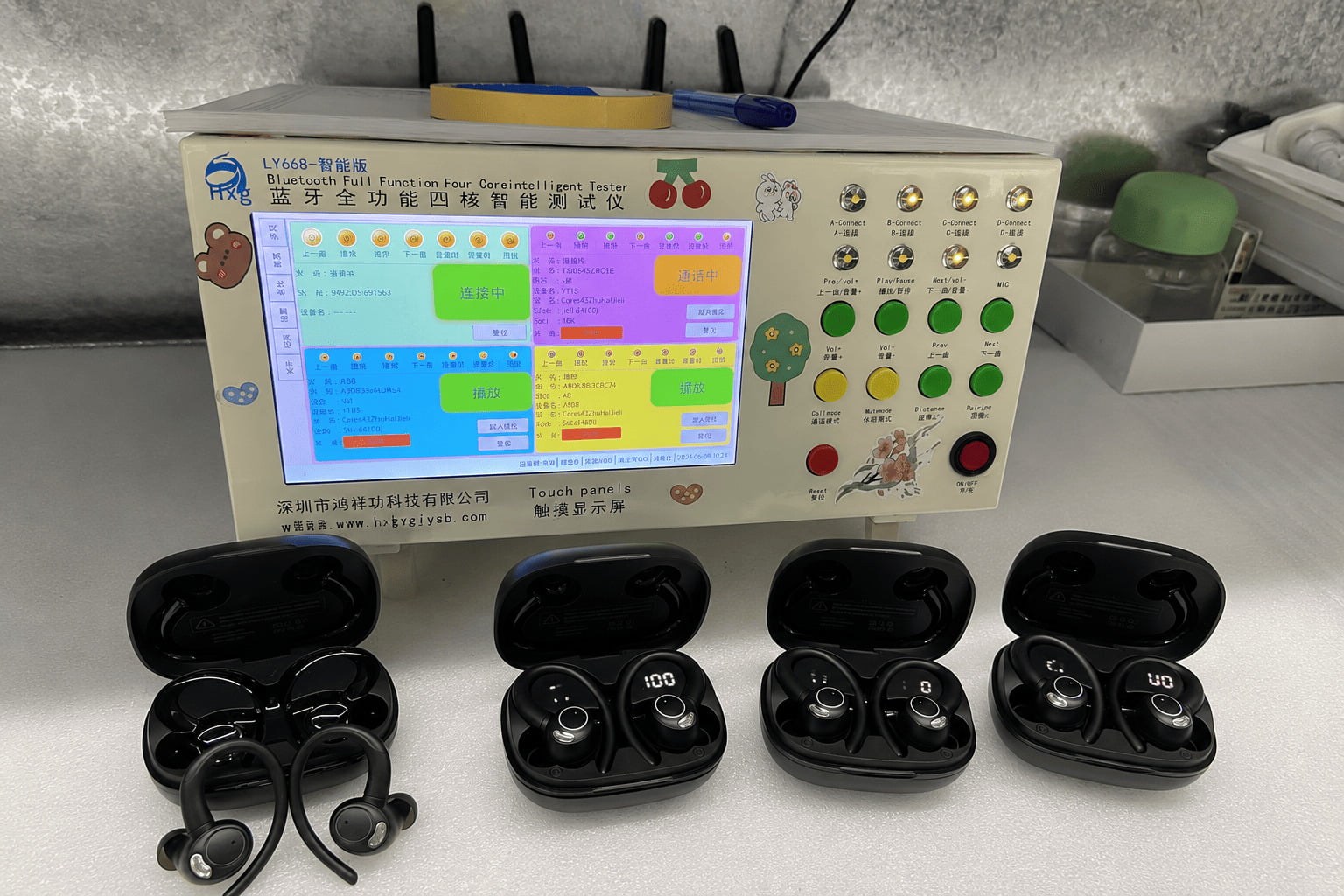
Dive Deeper: From Promise to Proof – Validating Factory Changes for Earbuds Quality
When a batch quality issue is identified and discussed with our partner factories, the conversation doesn't end with them agreeing to make a change. My role involves ensuring that these changes translate into real-world improvements for subsequent batches of earbuds. This is where the 'proof' comes in, moving beyond simple assurances to measurable validation.
1. Analyzing Post-Adjustment Production Data
After a factory implements a corrective action, the first step is to closely monitor the production data of the following batches. For instance, if a complaint was about earbuds with an unstable Bluetooth connection, and the factory claims to have adjusted antenna placement or component shielding, we'd expect to see:
- Reduced Failure Rates in QC: The factory's internal Quality Control (QC) reports for the new batches should show a significant decrease in the specific failure mode that triggered the complaint. I review these reports, looking for concrete numbers.
- Improved Performance Metrics: If the issue related to battery life, we'd look for updated test reports indicating that the new batch meets or exceeds the advertised battery performance under standardized conditions. For sound quality, while subjective, factory acoustic test reports for frequency response or distortion2 could show a more consistent profile.
- Pilot Batch Testing: For critical adjustments, we might arrange for a small "pilot" batch to be produced and put through more rigorous internal testing, sometimes even sending samples to trusted long-term clients for early feedback before full-scale production.
2. Reviewing Revised Quality Control (QC) Standards
A genuine improvement often necessitates a change in the factory's QC process. If a batch of earbuds had issues with physical durability (e.g., casing cracking), the factory might need to implement a new drop test or material stress test.
- Documented Revisions: I request documented evidence of revised QC inspection points, new testing protocols, or updated pass/fail criteria. This could be an updated QC checklist or a new testing procedure manual.
- Spot Checks: Where feasible, we or our nominated third-party inspectors3 can conduct spot checks at the factory during the production of the new batch to observe if the revised QC procedures are actually being followed on the production line. This provides direct verification that the factory isn't just saying they've changed things but are actively implementing them.
- Comparison to Initial Standards: By comparing the new QC standards against the ones in place when the issue occurred, we can clearly see what specific checks have been added or strengthened to prevent recurrence.
3. Tracking Component Supplier Changes
Sometimes, the root cause lies with a sub-component from an external supplier. For example, a batch of earbuds might have charging issues due to a faulty batch of charging ICs (Integrated Circuits)4 from a specific vendor.
- Supplier Change Documentation: If the factory decides to switch component suppliers, I request official documentation of this change, including new supplier certifications, component specification sheets, and any associated reliability test reports for the new parts.
- Traceability: We ensure that the new components are clearly traceable within the production system. This means if a future issue arises, we can quickly identify if it's related to the new components or a different part of the assembly.
- Long-term Monitoring: The performance of the new components is continuously monitored through ongoing QC checks and, crucially, through the absence of complaints from subsequent customer batches. The real proof is sustained positive feedback and a lack of recurrence of the initial problem.
By applying these verification steps, we transform a factory's promise into demonstrable proof of improvement for our earbuds. This systematic approach builds confidence not just for us as a trading company but, more importantly, for our wholesale clients who rely on us for consistent product quality. It's about proactive risk management rather than reactive problem-solving.
What Actions Can Reduce Earbuds Complaint Rates and Improve User Satisfaction?
Even with the best quality control, some complaints are inevitable, but many can be preempted. For wholesalers distributing earbuds in competitive markets, minimizing complaint rates is critical for brand reputation and customer loyalty. Failing to proactively address common pain points can lead to increased returns, negative reviews, and ultimately, lost business.
To significantly reduce common complaint rates for our earbuds and enhance user satisfaction, we focus on clear and precise product information, detailed user guidance, and robust pre-shipment quality checks. This includes explicitly stating Bluetooth versions and compatibility, differentiating battery performance based on usage, and providing visual aids for proper fitting and use.
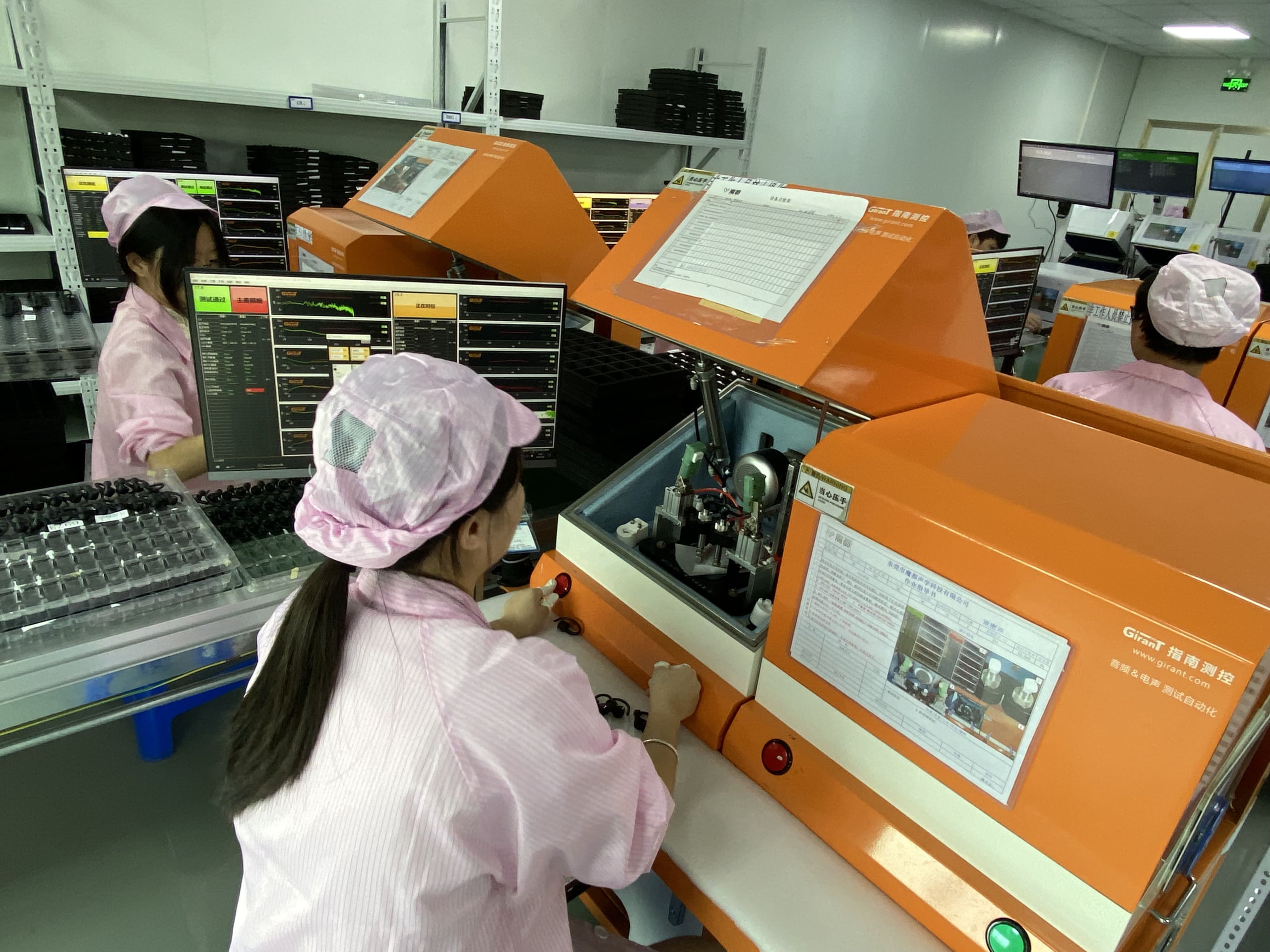
Dive Deeper: Proactive Strategies for Reducing Earbuds Complaints
My experience in handling customer feedback has taught me that many complaints aren't due to fundamental product defects but rather a mismatch between the user's experience and their initial expectations or lack of proper guidance. By addressing these areas proactively, we can significantly lower complaint rates for earbuds and improve overall user satisfaction.
1. Clear and Concise Product Specification Labeling
Ambiguity in product specifications is a major source of frustration. Users often have specific devices or use cases in mind, and if the earbuds don't perform as they expect, it leads to complaints.
- Bluetooth Version and Compatibility: I always advocate for explicitly stating the Bluetooth version (e.g., Bluetooth 5.35) on packaging and product descriptions. More importantly, we should list common compatibility profiles (e.g., A2DP, AVRCP, HFP6) and, where applicable, mention any known limitations with older devices or specific operating systems. For example, some advanced codecs might only be supported by newer Android phones, leading to "poor sound quality" complaints from iPhone users if not clarified.
- Codec Support: Clearly indicating supported audio codecs (e.g., SBC, AAC, aptX, LDAC) helps manage audio quality expectations. A user expecting aptX quality from an SBC-only earbud will likely be disappointed.
- Range and Connection Stability: While "10 meters" is standard, environmental factors play a huge role. We advise adding disclaimers about optimal conditions (e.g., "up to 10 meters in open, unobstructed environments7") to manage connection stability expectations.
2. Differentiating Battery Life and Usage Scenarios
Battery life is a common complaint area, especially for TWS earbuds, yet often it stems from users not understanding the variables that affect it.
- Scenario-Based Battery Life: Instead of a single "X hours" figure, we provide a range or specify conditions. For instance: "Up to 8 hours of playback (ANC off, 60% volume, AAC codec), or up to 6 hours (ANC on, 80% volume, SBC codec)." This educates users on how their usage patterns impact battery performance.
- Case Charge Cycles: Clearly state how many additional charges the charging case provides.
- Charging Times: Specify both earbud and case charging times.
By setting these expectations upfront, users can better understand why their earbuds might last shorter during intensive use or with specific features enabled, reducing "short battery life" complaints.
3. Providing Detailed Wearing Guides and Ear Tip Selection
Comfort and sound quality are highly dependent on proper fit, especially for in-ear earbuds. A poor fit can lead to complaints about discomfort, poor sound, or even earbuds falling out.
- Illustrated Wearing Instructions: For products like our TWS or open-ear earbuds, we recommend including clear, visual step-by-step guides in the user manual and even on the product packaging (via QR code to a video). These demonstrate how to properly insert and secure the earbuds to achieve an optimal seal and comfortable fit.
- Ear Tip Selection Guide: Most of our in-ear earbuds come with multiple ear tip sizes. A diagram explaining how to choose the right size for passive noise isolation8 and comfort is invaluable. We emphasize that a good seal is crucial for bass response and overall sound quality.
- Open-Ear Specifics: For open-ear or ear-clip models, instructions on how to correctly position them on the ear are essential to ensure both comfort and sound projection are optimized.
4. Enhancing User Manuals and Quick Start Guides
The user manual is often the first point of contact for resolving minor issues.
- Troubleshooting Section: A comprehensive, easy-to-understand troubleshooting section covering common issues (pairing, single earbud not working, charging problems) can empower users to self-resolve.
- Multilingual Support: For global wholesale, ensuring manuals are available in relevant languages (e.g., Russian, German, French, Spanish) reduces language-barrier related complaints.
- Clear Contact Information: Providing direct, accessible contact information for customer support (whether ours or the wholesaler's) makes it easier for users to seek help when needed.
By implementing these proactive measures, we aim to transform potential points of friction into opportunities for user education and enhanced satisfaction. This not only reduces the volume of complaints but also fosters a more positive perception of the earbuds and the brands that distribute them.
What Guarantees Do Wholesalers Need from a Supplier Beyond Zero Complaints?
Many wholesalers seek a supplier who promises "zero complaints," but in mass production, this is an unrealistic ideal9 for any product, including earbuds. The true value lies not in an impossible promise, but in a supplier's capability to manage issues effectively. A lack of these guarantees leaves wholesalers vulnerable to escalating customer service costs and damaged brand equity.
Beyond the unrealistic promise of zero complaints, wholesalers primarily need their earbuds supplier to demonstrate robust complaint classification capabilities, rapid issue response times, and effective strategies for containing and addressing problematic batches. These assurances ensure that any inevitable issues are managed systematically, minimizing disruption and protecting the wholesaler's long-term business interests.

Dive Deeper: The Unspoken Guarantees Wholesalers Truly Value in Earbuds Supply
From my vantage point, having navigated countless client concerns, I understand that wholesalers are not looking for a mythical "perfect" product. They're looking for a reliable partner who can mitigate risk in a dynamic supply chain. When it comes to earbuds, the real guarantees a wholesaler needs from us, Shenzhen Kerui Zhilian, are about transparency, control, and partnership.
1. Proven Complaint Classification and Root Cause Analysis
A supplier's ability to classify complaints (as discussed earlier) is fundamental. This isn't just an internal process; it's a transparency point for the wholesaler.
- Systematic Categorization: Wholesalers need to know that if they report an issue, we can accurately categorize it as a batch quality problem, an expectation mismatch, or an individual defect. This demonstrates our understanding of the product and production process.
- Evidence-Based Investigation: We provide clear steps for our clients on what information we need to launch an investigation (e.g., photos, videos, batch numbers, specific symptoms). This empowers them to collect the right data from their end-users.
- Transparent Root Cause Identification: Once a root cause is identified (e.g., "This batch of earbuds used an older firmware version leading to connectivity issues with certain OS updates"), we communicate this clearly to the wholesaler, explaining the why behind the problem, not just that there was a problem. This fosters trust and helps the wholesaler prepare their own customer service teams.
2. Rapid and Verifiable Response to Issues
Time is money, and delays in addressing issues can quickly erode customer loyalty. Wholesalers need assurance that problems with their earbuds will be handled swiftly and effectively.
- Defined Response Timelines: We commit to clear timelines for acknowledging complaints, initiating investigations, and providing preliminary findings. This gives wholesalers predictability.
- Dedicated After-Sales Support: Our dedicated team understands the wholesale context and acts as a direct liaison between the client and the factory.
- Proactive Communication: We don't wait for the wholesaler to chase us. We provide regular updates on the investigation's progress and the proposed solutions. This helps the wholesaler manage their own customer service obligations.
- Solution-Oriented Approach: Whether it's a quick replacement for an individual defect or a factory-level adjustment for a batch issue, our focus is on implementing solutions that bring immediate relief and long-term improvement for the earbuds.
3. Effective Problem Batch Control Strategies
One of the biggest fears for a wholesaler is a widespread, unmanaged problem batch of earbuds that saturates their inventory and damages their reputation.
- Batch Traceability: We maintain meticulous records, ensuring that every batch of earbuds can be traced back to its production date, components, and QC reports. This allows us to quickly isolate affected inventory if an issue is identified.
- Containment and Rework Plans: If a batch issue is confirmed, we work with the factory to develop a clear containment strategy. This could involve holding un-shipped inventory, coordinating rework for existing stock (if feasible), or providing guidelines for managing defective units in the market.
- Preventive Measures for Future Batches: Crucially, we outline the preventative measures implemented for subsequent earbuds batches (e.g., new QC tests, component changes) and provide the verifiable proof discussed earlier. This gives the wholesaler confidence that the same problem won't recur.
- Transparent Cost Allocation: In cases where significant issues arise, we work transparently with the wholesaler to discuss potential cost implications for replacements, rework, or returns, aiming for a fair and mutually agreeable resolution.
These capabilities are far more valuable than a "zero complaints" pledge. They represent a commitment to partnership, quality management, and risk mitigation that directly benefits our wholesale clients by helping them maintain stable product lines, reduce procurement risks, and build lasting customer relationships in their respective markets.
Frequently Asked Questions
What certifications do your earbuds support for international markets?
Our earbuds can support a range of international certifications including CE, RoHS, FCC, UN38.3 (for batteries), and MSDS. We provide the necessary documentation to help our clients meet overseas market requirements and facilitate smooth international trade.
What is the typical MOQ for ordering your Bluetooth earbuds?
Our standard Minimum Order Quantity (MOQ) for Bluetooth earbuds typically starts from 3,000 units. This MOQ is designed to cater to serious wholesale buyers and foster long-term cooperation, allowing for competitive pricing and efficient production.
Can I customize the logo and packaging for my earbuds orders?
Yes, we support logo, packaging, and color customization for qualified bulk orders of our earbuds. Customization feasibility depends on factors like MOQ, order quantity, the specific product model, and your project requirements. We work with clients to bring their branding vision to life.
How do you ensure the quality of your earbuds for bulk orders?
We ensure earbuds quality through a multi-faceted approach, leveraging our partner factories' 15+ years of experience and our own consumer market insights. This includes rigorous production QC, verifiable factory adjustments based on feedback, and selecting market-proven designs that meet international quality standards.
What is your typical production lead time for earbuds?
For a standard 3,000-unit order of earbuds, our typical production lead time is around 40 days. We also offer some standard models for faster delivery to help clients with urgent replenishment needs and fast-moving products.
Conclusion
Navigating the complexities of wholesale earbuds supply means understanding that customer feedback, even complaints, is an invaluable asset. At Shenzhen Kerui Zhilian, we don't just process orders; we integrate lessons from every piece of feedback directly into our supply chain. By meticulously classifying complaints, ensuring verifiable factory adjustments, and proactively managing expectations, we transform potential problems into opportunities for superior product quality and enhanced user satisfaction. Our commitment is to provide you, our wholesale partner, with stable, market-ready earbuds and a transparent, responsive partnership that minimizes your procurement risks and strengthens your market position.
Ready to partner with a supplier who turns challenges into continuous improvement? Contact us today to discuss your next bulk order of earbuds and experience a truly reliable supply chain.
"Surface-mount technology", https://en.wikipedia.org/wiki/Surface-mount_technology. Surface Mount Technology (SMT) process control is critical in electronics manufacturing, where parameters such as solder paste viscosity, reflow temperature profiles, and component placement accuracy directly influence connection reliability in miniaturized devices. Evidence role: mechanism; source type: education. Supports: Technical documentation explaining how SMT process parameters affect electronic assembly quality. ↩
"Audio system measurements", https://en.wikipedia.org/wiki/Audio_system_measurements. Frequency response and harmonic distortion are standard acoustic measurements in audio engineering, where frequency response describes the amplitude variation across the audible spectrum and distortion quantifies signal degradation, both serving as objective quality indicators for audio devices. Evidence role: definition; source type: education. Supports: Technical definitions of standard audio quality measurement parameters. ↩
"Third Party Inspections", https://www.ppiquality.com/services/qa-qc-consulting-services/third-party-inspections/. Third-party inspection services provide independent quality verification in manufacturing supply chains, offering unbiased assessment of production standards, particularly valuable in international trade where direct oversight may be impractical. Evidence role: general_support; source type: education. Supports: Documentation of third-party inspection as a quality control practice. ↩
"Failure of electronic components", https://en.wikipedia.org/wiki/Failure_of_electronic_components. Charging integrated circuits (ICs) manage the power delivery, voltage regulation, and charging cycle for rechargeable batteries in portable electronics, with failure modes including improper current control, overheating, or complete charging circuit malfunction. Evidence role: mechanism; source type: education. Supports: Technical documentation on charging IC function and failure modes. ↩
"Bluetooth Core Specification v5.2", https://faculty-web.msoe.edu/johnsontimoj/EE4980/files4980/Core_v5.2.pdf. Bluetooth 5.3, released by the Bluetooth Special Interest Group (SIG), introduced enhancements to connection efficiency and periodic advertising features for wireless audio devices. Evidence role: definition; source type: institution. Supports: Official specification documentation for Bluetooth version 5.3. ↩
"List of Bluetooth profiles", https://en.wikipedia.org/wiki/List_of_Bluetooth_profiles. A2DP (Advanced Audio Distribution Profile), AVRCP (Audio/Video Remote Control Profile), and HFP (Hands-Free Profile) are Bluetooth profiles defined by the Bluetooth SIG, enabling stereo audio streaming, playback control, and voice call functionality respectively in wireless audio devices. Evidence role: definition; source type: institution. Supports: Official Bluetooth profile definitions and purposes. ↩
"Bluetooth", https://en.wikipedia.org/wiki/Bluetooth. Bluetooth Class 2 devices, commonly used in consumer audio products, have a specified operational range of approximately 10 meters under ideal conditions, though real-world performance varies with environmental interference and obstacles. Evidence role: statistic; source type: institution. Supports: Official Bluetooth range specifications for consumer devices. ↩
"Passive Noise Isolation vs. Active Noise Cancellation - Logitech", https://www.logitech.com/blog/2023/09/20/passive-noise-isolation-vs-active-noise-cancellation/. Passive noise isolation refers to physical sound blocking achieved through ear tip seal and material density, reducing ambient noise through mechanical means, distinct from active noise cancellation which uses electronic processing to generate counter-phase sound waves. Evidence role: definition; source type: encyclopedia. Supports: Definition distinguishing passive noise isolation from active cancellation. ↩
"Acceptable Quality Limit, AQL", https://www.qima.com/aql-acceptable-quality-limit. Quality management literature recognizes that while zero-defect manufacturing is a philosophical goal (as in Six Sigma methodologies), statistical process control acknowledges that some defect rate, however minimal, is economically inevitable in high-volume production, leading to industry standards like Acceptable Quality Limits (AQL). Evidence role: expert_consensus; source type: education. Supports: Quality management principles regarding defect rates in mass manufacturing. Scope note: The economic feasibility of approaching zero defects varies significantly by industry, product complexity, and cost constraints ↩