
Why Understanding End Users Helps Manufacturers Build Better Earbuds?
In the competitive world of consumer electronics, manufacturing high-quality products is only half the battle. Many manufacturers struggle to understand why their otherwise excellent earbuds might not perform well in certain markets, leading to returns and lost sales. This often stems from a disconnect between product design assumptions and the real-world experiences of end users.
Understanding end-user behavior, preferences, and even physical differences is crucial for manufacturers to build better earbuds. By translating observed market failures—like fit issues, misperceptions of new product categories, or unrealistic performance expectations based on price—into specific, actionable technical questions for factories, wholesalers can help ensure that the earbuds supplied are truly optimized for their target markets.
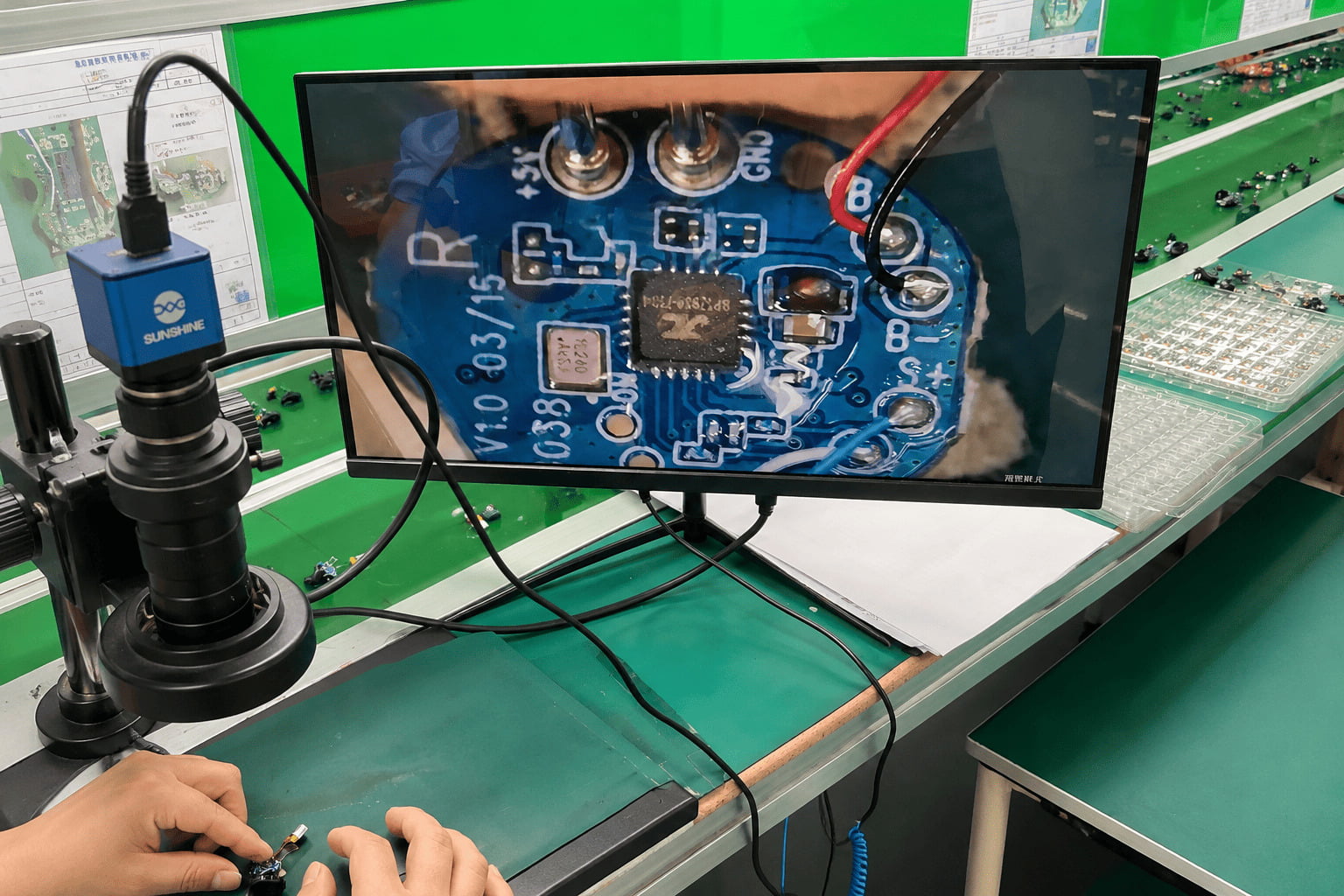
My experience working with platforms like Ozon and Wildberries in the Russian market has shown me firsthand how crucial this user-centric approach is. It’s not just about quality control; it's about anticipating market-specific challenges and proactively addressing them with our factory partners. Let's explore how we can bridge this gap.
Why Do Some Earbuds Fail in Specific Markets, Even if Quality is Good?
It's a common dilemma: you select high-quality earbuds with excellent specs, but once they reach the end user in a specific region, complaints arise. Why does this happen, and how can we prevent issues that aren't strictly "quality" related?
Even high-quality earbuds can fail in specific markets due to unaddressed regional user differences, such as unique physical characteristics or environmental conditions, which are often overlooked during standard product selection. These failures highlight a need for wholesalers to ask targeted questions about product design adaptability and verification during the procurement process.
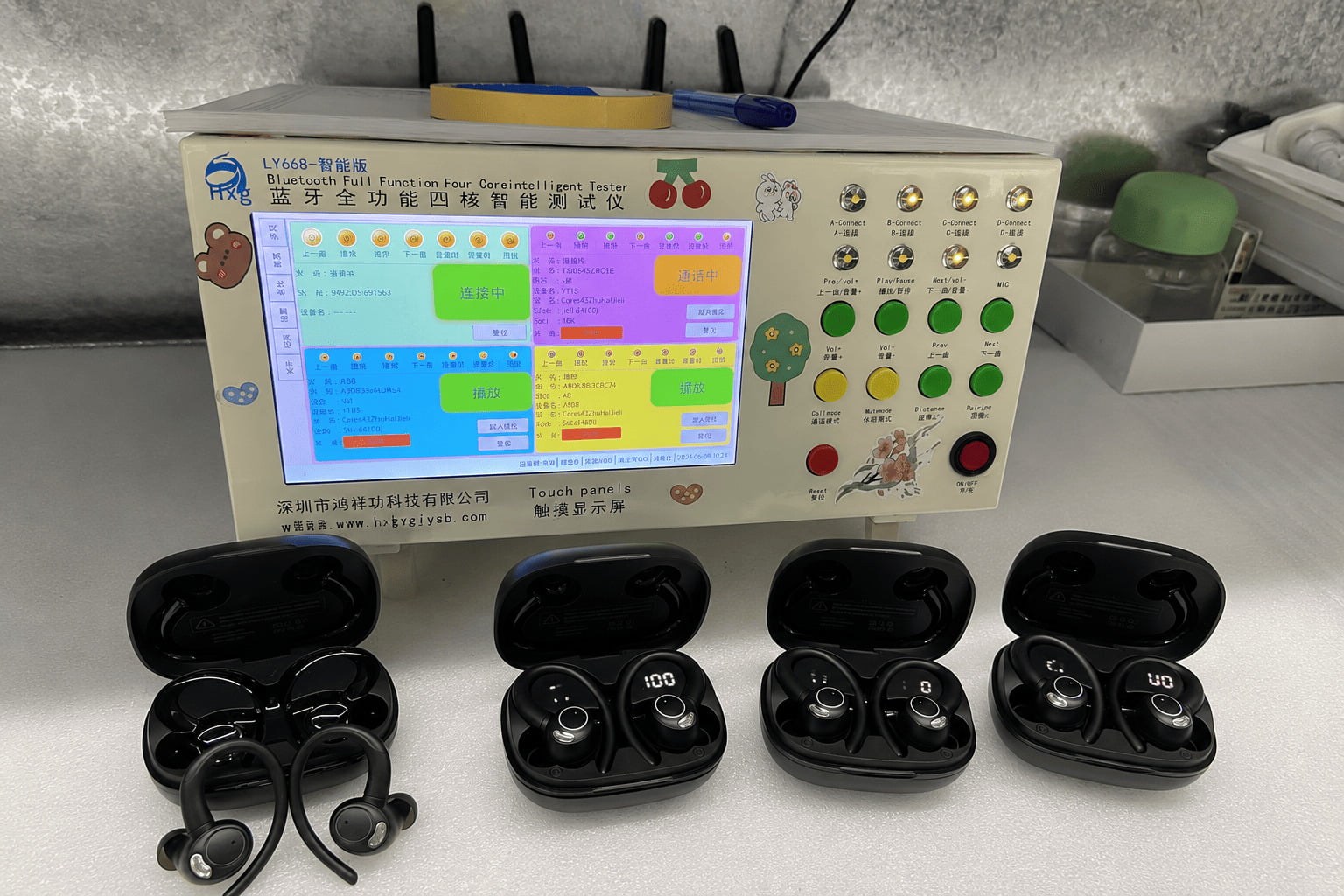
From my vantage point, observing millions of user interactions and return data1, I've learned that what works in one market may not universally apply. These subtle market variables can significantly impact user satisfaction and lead to unexpected return rates for earbuds. This is where our role as a trading company becomes vital, translating those observed pain points into concrete questions for our manufacturing partners.
Identifying Unforeseen Fit Issues and Environmental Factors
I recall a specific pattern I observed with in-ear earbuds in the Russian market. Many customer reviews and return reasons on platforms like Ozon frequently mentioned discomfort, pain after extended wear, or earbuds consistently falling out. Initially, one might assume this points to a design flaw or poor manufacturing quality. However, through discussions with consumers and our partners, I began to realize it was a more fundamental issue: ear canal size.
My observations suggested that a significant portion of Russian consumers, compared to some other regions, often have slightly larger ear canals2. This meant that the "standard" ear tip sizes and earbud designs, which worked perfectly well in factories or other markets, were causing discomfort or poor seal for many users here. This isn't a defect; it's a mismatch between product design assumptions and target user anatomy. When I identify such patterns in platform data, I ask very specific questions to our partner factories.
What I Ask the Factory About Fit:
- Ear Tip Sizing Range: "For these in-ear earbuds, what are the specific dimensions and materials of the included ear tips (S, M, L)? Have these been tested on a diverse range of ear canal sizes, particularly in markets with different anthropometric data?"
- Earbud Housing Ergonomics: "Can you provide data or design specifications regarding the ergonomic contours of the earbud housing? Is there flexibility in the design to adjust the angle or depth for different ear shapes without significantly impacting sound quality or acoustic seal?"
- Adaptation for Regional Markets: "Given feedback from specific regions regarding fit, is it possible to offer additional, larger, or custom-shaped ear tips as part of the standard package or as an optional accessory for bulk orders?"
Another significant factor, particularly relevant in colder climates like Russia, is battery performance in low temperatures. Many earbuds specifications are based on optimal room temperature conditions. However, users often use their wireless audio devices outdoors during harsh winters. A drop in temperature can drastically reduce battery life3, leading to complaints about the advertised usage time not being met. This, again, is not a manufacturing defect but an environmental variable that wasn't sufficiently considered during the product selection phase for that specific market.
What I Ask the Factory About Environmental Adaptability:
- Low-Temperature Performance Testing: "Have the batteries and internal components of these earbuds undergone specific testing for performance degradation at temperatures below 0°C (e.g., -10°C, -20°C)? What are the expected battery life reductions under these conditions?"
- Component Selection for Cold: "Are the chosen battery cells and glues suitable for extreme cold environments, or are there alternative components that could be integrated for markets where this is a critical factor?"
- Documentation for Cold Climates: "Do you have any documentation or certifications that address the product's operational limits in varying temperatures?"
By proactively translating these real-world user pain points and market-specific environmental factors into concrete technical questions for our factory partners, we can select or even co-develop earbuds that are truly robust and well-suited for their intended markets. This approach minimizes return risks, enhances customer satisfaction, and builds a stronger reputation for our clients. It's about recognizing that quality is multi-faceted and includes market suitability.
How Can Wholesalers Predict User Misconceptions for New Earbud Categories?
Introducing innovative earbuds categories can be exciting, but it often comes with the challenge of managing user expectations. When a new product concept reaches the market, how do we prevent user misconceptions from turning into complaints, and how do we prepare our supply chain for this?
Wholesalers can predict user misconceptions for new earbud categories by deeply understanding the product's core technological characteristics and anticipating how these might be misinterpreted by users accustomed to traditional designs. This requires translating inherent category features into clear communication strategies and proactively addressing potential "defects" that are, in fact, fundamental design choices.

My experience with the rise of open-ear (or clip-on) earbuds provides a clear example of this challenge. While these devices offer distinct advantages, especially for situational awareness and comfort, they also present inherent acoustic characteristics that traditional in-ear or over-ear headphones do not share. I've observed a significant number of negative reviews and returns on e-commerce platforms where users complained about "poor noise cancellation" or "sound leakage."
Distinguishing Category Features from Product Defects
When I first encountered complaints about noise cancellation and sound leakage for open-ear earbuds on platforms like Wildberries, my initial reaction was to investigate potential product defects. However, a deeper understanding of the open-ear design philosophy quickly revealed that these were not defects but fundamental characteristics of the category. Open-ear designs are intended to allow ambient sound in for safety and awareness, and by their nature, they cannot offer the same level of passive noise isolation as in-ear designs4. Similarly, because they don't seal the ear canal, some sound leakage is inevitable, especially at higher volumes.
The issue wasn't the earbuds themselves; it was a mismatch between user expectations (formed by traditional in-ear or over-ear headphones) and the inherent properties of the new product category. Wholesalers who simply source these products without anticipating and addressing these perceptual gaps risk high return rates and damage to their brand reputation. This requires a different kind of communication with the factory, focusing not on technical "fixes" for these characteristics, but on precise product positioning and communication.
What I Confirm with the Factory About New Category Earbuds:
- Core Design Philosophy: "Can you clearly articulate the primary benefits and inherent trade-offs of this open-ear earbuds design? How do these differentiate from traditional in-ear or over-ear models from a user experience perspective?"
- Feature Clarification: "For features like 'noise cancellation,' is this active noise cancellation (ANC), environmental noise cancellation (ENC) for calls, or is the design inherently offering passive isolation? If it's open-ear, we must clarify that situational awareness is the benefit, not noise reduction."
- Marketing Guidance: "What are your recommendations for communicating the unique value proposition of these earbuds? Are there specific marketing materials or language we can use to proactively educate end-users about what to expect regarding sound isolation and ambient sound presence?"
- Anticipated User Questions: "Based on your experience, what are the most common misconceptions or questions users might have when first trying this type of earbuds?"
By having these discussions, I aim to ensure that our clients receive not just the earbuds, but also the necessary context and guidance to market them effectively. This might involve creating dedicated FAQ sections, adjusting product descriptions to manage expectations, or even advising on appropriate use cases (e.g., "ideal for running outdoors where you need to hear traffic"). The goal is to turn potential complaints into informed purchases, reducing the burden of returns and improving overall customer satisfaction with new, innovative audio solutions. It’s about anticipating the user's journey from discovery to daily use and ensuring a smooth experience.
Is the Advertised Performance of Earbuds Always Achievable at a Given Price Point?
In the highly competitive market for earbuds, it's easy to get caught up in impressive feature lists and performance claims. However, a critical question for any wholesaler is: are these advertised performance metrics genuinely achievable at the product's proposed price point, or are we risking false advertising and subsequent customer dissatisfaction?
The advertised performance of earbuds is not always achievable at every price point, as underlying component costs for features like advanced chipsets, high-capacity batteries, or specific audio drivers impose hard cost constraints. Wholesalers must develop an ability to discern realistic claims from overblown marketing by understanding these cost-performance relationships and challenging factory specifications that seem too good to be true for the given price.

I've learned through countless negotiations and market observations that there's a delicate balance between price and performance when sourcing earbuds. While factories always strive for competitive pricing, there are fundamental hardware costs that cannot be circumvented5. When I see an exceptionally low price coupled with a feature list that seems to belong to a much higher-tier product, it raises a red flag. This isn't about accusing anyone of dishonesty, but about diligent risk assessment for our clients.
Understanding Hard Cost Constraints in Earbuds Manufacturing
Consider the example of battery life. A claim of "8 hours of continuous playback on a single charge6" for a pair of TWS earbuds selling for EXW USD 4.5 needs careful scrutiny. Achieving genuine, stable 8-hour battery life typically requires specific battery cell capacities, a power-efficient chipset, and optimized firmware. Each of these components has a cost. A high-quality battery cell alone can significantly impact the unit price7. Similarly, features like true active noise cancellation (ANC) or low-latency gaming modes rely on more advanced and expensive chipsets8. If the EXW price is significantly below the market average for products with comparable, verified features, it's prudent to question how those performance metrics are achieved.
My role involves cross-referencing advertised specifications with my knowledge of component costs and the general market landscape. I look for inconsistencies that might lead to customer complaints down the line. A wholesaler sourcing such products might face high return rates, negative reviews, and ultimately, damage to their brand if the earbuds fail to deliver on their promised performance. I approach these situations by asking direct, cost-focused questions to the factories.
What I Ask the Factory About Price-Performance Alignment:
- Component Bill of Materials (BOM) Inquiry: "Without revealing proprietary information, can you provide a general breakdown of the key components (e.g., chipset model, battery capacity in mAh, driver size and type) used in these earbuds? How do these choices support the advertised features and performance claims?"
- Performance Verification Data: "Can you share internal test reports or third-party certifications that specifically verify critical performance claims such as battery life, ANC depth, or low latency? What test conditions were used for these measurements?"
- Cost Drivers for Specific Features: "If we require a specific feature like enhanced waterproof ratings (e.g., IPX7) or a more robust Bluetooth codec, what is the estimated cost impact of integrating such a change into the current design of these earbuds?"
- Realistic Expectations vs. Marketing: "Given our target price point of [X], what are the most realistic and consistently achievable performance metrics for these earbuds? Are there any claims that might be marketing-driven rather than strictly performance-driven at this cost level?"
By engaging in these detailed discussions, I help our clients make informed decisions, ensuring that the earbuds they procure offer a genuine balance of price and performance. This proactive approach helps to mitigate the risk of sourcing products that over-promise and under-deliver, protecting our clients' reputation and their end-users' satisfaction. It's about ensuring that what's written on the box accurately reflects what's inside and what the user will experience.
Frequently Asked Questions
What certifications are typically needed for selling Bluetooth earbuds internationally?
Common certifications for Bluetooth earbuds include CE (for Europe), RoHS (hazardous substances), FCC (for North America), UN38.3 (for lithium-ion battery transport), and MSDS (material safety data sheet). Specific market requirements may vary, so it's essential to confirm with a knowledgeable supplier.
How can I minimize returns for earbuds due to fit issues?
To minimize returns, actively communicate with your supplier about earbud design and ear tip sizes. Consider offering multiple ear tip options, requesting anatomical fit data, and educating your end-users on how to properly select and fit their earbuds for optimal comfort and sound.
What is the typical MOQ for custom branding on earbuds?
Our standard MOQ for custom branding (logo, packaging, color) on earbuds typically starts from 3,000 units. Customization feasibility also depends on the specific product model and the complexity of the project requirements, which we discuss in detail with our clients.
How can a wholesaler evaluate the reliability of a new earbud supplier?
Evaluate new suppliers by checking their factory resources, experience in target markets, quality control processes, and certification support. Request product samples, review their communication responsiveness, and assess their understanding of your market's specific needs for earbuds procurement.
Are open-ear earbuds suitable for all consumers?
Open-ear earbuds are ideal for users prioritizing situational awareness and comfort, such as runners or office workers. However, they naturally allow more ambient sound and have some sound leakage. They are not suitable for consumers who expect complete noise isolation or privacy in their audio experience.
Conclusion
Understanding the end-user experience is not a luxury; it's a fundamental requirement for success in the earbuds market. From adapting to diverse anatomical fit needs and environmental conditions to managing expectations for new product categories and verifying performance claims against cost realities, proactive engagement with user insights is paramount. My role, as a trading partner with extensive market experience, is to bridge the gap between user feedback and factory capabilities.
By transforming observed user pain points—whether from specific market data or general consumer behavior patterns—into actionable questions for our manufacturing partners, we help ensure that the earbuds we supply are not just well-made, but truly market-ready. This approach significantly reduces procurement risks, minimizes returns, and ultimately builds stronger, more reliable product lines for our wholesale clients. Are you looking to source Bluetooth earbuds that genuinely resonate with your target market? Partner with Shenzhen Kerui Zhilian Trading Co., Ltd. to leverage our market intelligence and supply chain expertise. Contact us today to discuss how we can help you build a stable and successful product portfolio.
"Is User-Generated Content (UGC) a double edged sword for ...", https://cmr.berkeley.edu/2024/11/is-user-generated-content-ugc-a-double-edged-sword-for-marketers/. Consumer research methodology recognizes that systematic analysis of user reviews, interaction patterns, and return data from e-commerce platforms can reveal product-market mismatches and inform design improvements, though careful statistical interpretation is required to distinguish signal from noise. Evidence role: general_support; source type: research. Supports: the use of large-scale user behavior data and return analytics for product market fit assessment. ↩
"Comprehensive Measurements and Analyses of Ear Canal ...", https://pmc.ncbi.nlm.nih.gov/articles/PMC12198549/. Studies of human ear anatomy document population-level variation in ear canal dimensions, though specific regional differences require controlled measurement protocols and representative sampling. Evidence role: statistic; source type: research. Supports: anthropometric variation in ear canal dimensions across different populations. Scope note: Direct comparative data for Russian versus other populations would require specific anthropometric studies controlling for age, sex, and measurement methodology ↩
"Lithium-Ion Batteries under Low-Temperature Environment", https://pmc.ncbi.nlm.nih.gov/articles/PMC9698970/. Research on lithium-ion battery chemistry demonstrates that reduced temperatures slow ion mobility and increase internal resistance, leading to measurable capacity reductions, with performance degradation typically accelerating below 0°C. Evidence role: mechanism; source type: research. Supports: the electrochemical mechanisms by which low temperatures reduce lithium-ion battery capacity and discharge performance. ↩
"Outer ear canal shape and its relation to the effectiveness ...", https://pubmed.ncbi.nlm.nih.gov/2348511/. Acoustic research demonstrates that in-ear designs achieve passive noise isolation through physical occlusion of the ear canal, typically providing 15-30 dB of broadband attenuation, whereas open-ear architectures intentionally forego this sealing mechanism. Evidence role: mechanism; source type: research. Supports: the acoustic mechanisms by which ear canal sealing provides passive noise attenuation. ↩
"Relationship between Retail price and BOM cost? - EEVblog", https://www.eevblog.com/forum/projects/relationship-between-retail-price-and-bom-cost/. Manufacturing economics research indicates that bill-of-materials costs for key components (chipsets, batteries, specialized integrated circuits) typically represent a substantial and relatively inflexible portion of total product cost in consumer electronics. Evidence role: general_support; source type: education. Supports: the role of component costs in determining viable price points for consumer electronics. ↩
"Lithium batteries with 100 watt hours or less in a device - TSA", https://www.tsa.gov/travel/security-screening/whatcanibring/items/lithium-batteries-100-watt-hours-or-less-device. Industry surveys of true wireless earbud products indicate playback times typically ranging from 4-10 hours per charge for the earbud unit alone, with 8+ hour performance generally requiring battery capacities of 50+ mAh per earbud and power-optimized chipsets. Evidence role: general_support; source type: other. Supports: typical battery performance ranges for true wireless earbuds in various price segments. Scope note: Actual battery life varies significantly based on volume level, codec used, and feature activation (ANC, EQ, etc.) ↩
"How Lithium Battery Prices Are Changing In 2025 - BSLBATT", https://bslbatt.com/blogs/lithium-battery-price-2025-current-costs-trends-and-changes/. Industry analyses of true wireless earbud manufacturing indicate that battery cells typically represent 15-25% of component costs, with higher-capacity or premium cells commanding substantial price premiums due to energy density and safety requirements. Evidence role: general_support; source type: other. Supports: the significant cost contribution of battery cells in compact consumer electronics. Scope note: Specific cost percentages vary with production volume, supplier relationships, and cell specifications ↩
"Digital signal processor", https://en.wikipedia.org/wiki/Digital_signal_processor. Audio signal processing research demonstrates that active noise cancellation requires real-time digital signal processing with microsecond-level response times, necessitating dedicated DSP cores or higher-tier system-on-chip solutions compared to basic audio playback functions. Evidence role: mechanism; source type: research. Supports: the computational demands of active noise cancellation and low-latency audio processing. ↩