
Is Small Batch Procurement of Earbuds Feasible?
Many aspiring entrepreneurs and growing businesses eye the lucrative earbuds market, often hitting a wall when they encounter high minimum order quantities (MOQs). The challenge of securing small batch procurement of earbuds without breaking the bank or compromising quality is a common concern. This often leads to frustration and a fundamental misunderstanding of how B2B manufacturing economics actually work.
While technically possible, small batch procurement of earbuds is generally not feasible for sustainable, cost-effective wholesale or private label strategies.1 It comes with significant trade-offs, including substantially higher per-unit costs, severely limited customization options, extended lead times, and reduced leverage for certifications and quality control, making it primarily a high-cost market testing tool rather than a viable long-term supply model.

Understanding these dynamics is crucial for any buyer looking to source consumer electronics. Rather than asking if you can find small quantities, the more strategic question is what sacrifices you will make by choosing this path, and whether those trade-offs truly align with your business goals. Let's dive deeper into the realities of ordering earbuds in smaller quantities.
Why Do Factories Have High MOQs for Earbuds?
The desire for low MOQs is understandable, especially for new businesses or those testing new products. However, many buyers confuse retail purchasing logic with the realities of B2B manufacturing. They view MOQ as an arbitrary barrier, rather than a reflection of complex factory economics. So, why do factories set their minimums where they do for earbud manufacturing?
What drives minimum order quantities for earbud production?
Minimum Order Quantities (MOQs) for earbud production are driven by a combination of fixed setup costs, raw material purchasing thresholds, production line efficiency, and the amortization of quality control efforts.2 These factors mean that producing a smaller quantity of earbuds inherently incurs a disproportionately higher cost per unit, as the fixed expenses are spread across fewer items.
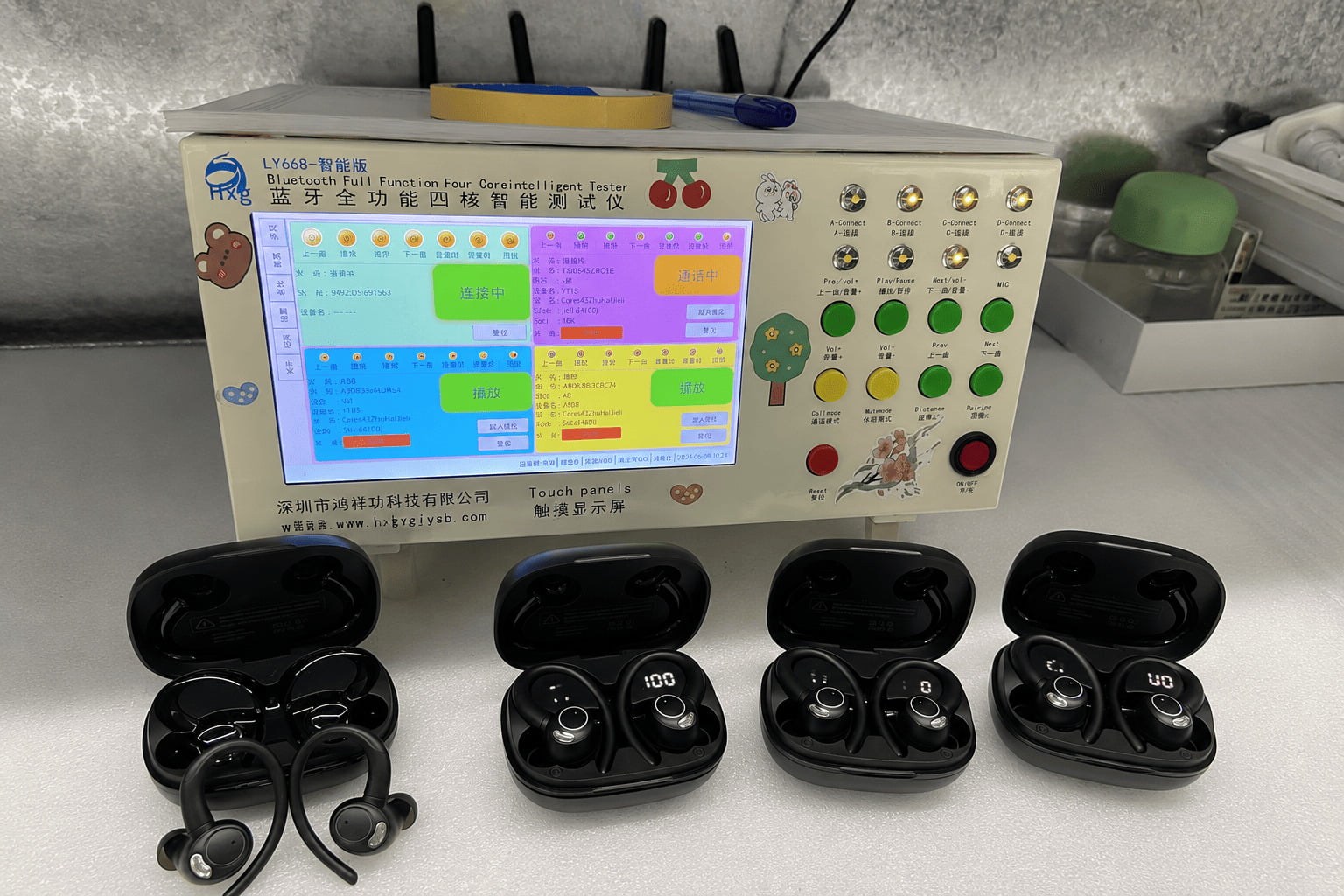
Dive Deeper: The Unseen Costs of Earbud Production
When we receive inquiries for small batch procurement of earbuds, say 500 units, my team and I frequently have to explain the underlying factory economics. It's not about a factory refusing business; it's about the point at which production becomes financially viable for them. From a trading company perspective, working closely with our partner factories for over 15 years, I've seen these dynamics play out repeatedly.
Setup Costs Are Fixed, Regardless of Quantity
Every production run, regardless of size, involves significant fixed costs. These include:
- Tooling and Molds: Even if using existing molds for standard models, there are setup costs for mounting them on machines. For any custom part, new tooling is a substantial investment.
- Production Line Setup: Machines need to be calibrated, tested, and optimized for a specific product. This process, including programming and initial quality checks, takes time and skilled labor.
- Material Preparation: Components like PCBA, speakers, batteries, and plastic shells need to be prepared, sorted, and loaded onto the line.
- Labor for Initial Runs: The first few hours of any production run often involve fine-tuning, which consumes labor without producing fully saleable units at peak efficiency.
For a factory, whether they produce 500 units or 5,000 units, many of these setup costs remain largely the same. Spreading these fixed costs over 5,000 units makes each unit significantly cheaper than spreading them over just 500.3
Raw Material Procurement Thresholds
Our partner factories source components from various specialized suppliers (e.g., chipsets from Airoha or JL, batteries from specific manufacturers, drivers from audio component specialists). These suppliers also have their own MOQs.4 For instance, a chip manufacturer might require an order of 10,000 units for a specific Bluetooth module. If our factory only needs 500 modules for a small order, they either have to:
- Buy the full 10,000 and carry excess inventory (which they factor into the price).
- Source from a distributor who has already met the MOQ, but at a higher per-unit price.
- Use a more common, less specialized chip that might not offer the same performance, limiting product differentiation.
This ripple effect of MOQs throughout the supply chain means that for a small batch procurement of earbuds, the raw material cost per unit inevitably climbs.
Production Efficiency and Scale
Modern manufacturing is designed for efficiency at scale.5 Production lines are optimized for continuous, high-volume output. Switching between different product models or even small variations (like different color plastic injection) disrupts this flow, requiring line stops, cleaning, recalibration, and re-testing.
| Aspect | High Volume (e.g., 3,000+ units) | Small Batch (e.g., < 1,000 units) | Impact on Cost/Unit |
|---|---|---|---|
| Setup Time | Amortized over many units | Disproportionately high | Significantly higher |
| Material Cost | Bulk discounts, direct sourcing | Distributor markup, higher waste | Higher |
| Labor Efficiency | Continuous flow, optimized | Frequent stoppages, re-calibration | Lower productivity, higher labor cost per unit |
| Scrap Rate | Stabilizes after initial run | Higher percentage of total output | Each scrapped unit represents a larger loss per batch |
| Logistics | Full container load optimization | Less efficient, higher freight/unit | Higher |
From my experience facilitating orders for the Russian and CIS markets, clients asking for 500 units of a custom earbud model might see a per-unit price that's 30-50% higher than the 3,000-unit MOQ price. This is a direct reflection of these underlying cost structures. It's not about gouging; it's about covering the fixed costs that simply cannot be ignored.
What Are the Real Costs of Small Batch Earbud Orders?
Beyond the immediate per-unit price, buyers often underestimate the total acquisition cost and limitations associated with small batch earbud orders. Many first-time importers assume that a higher unit price is the only trade-off, but the reality is far more complex, impacting branding, certification, and overall market competitiveness.
How do small batch earbud orders impact total cost and customization?
Small batch earbud orders lead to a significantly higher total acquisition cost per unit due to reduced purchasing power for components and limited production efficiency.6 Crucially, they also severely restrict customization options for branding, packaging, and product features, often locking buyers into generic models that undermine efforts to build a unique private label brand.
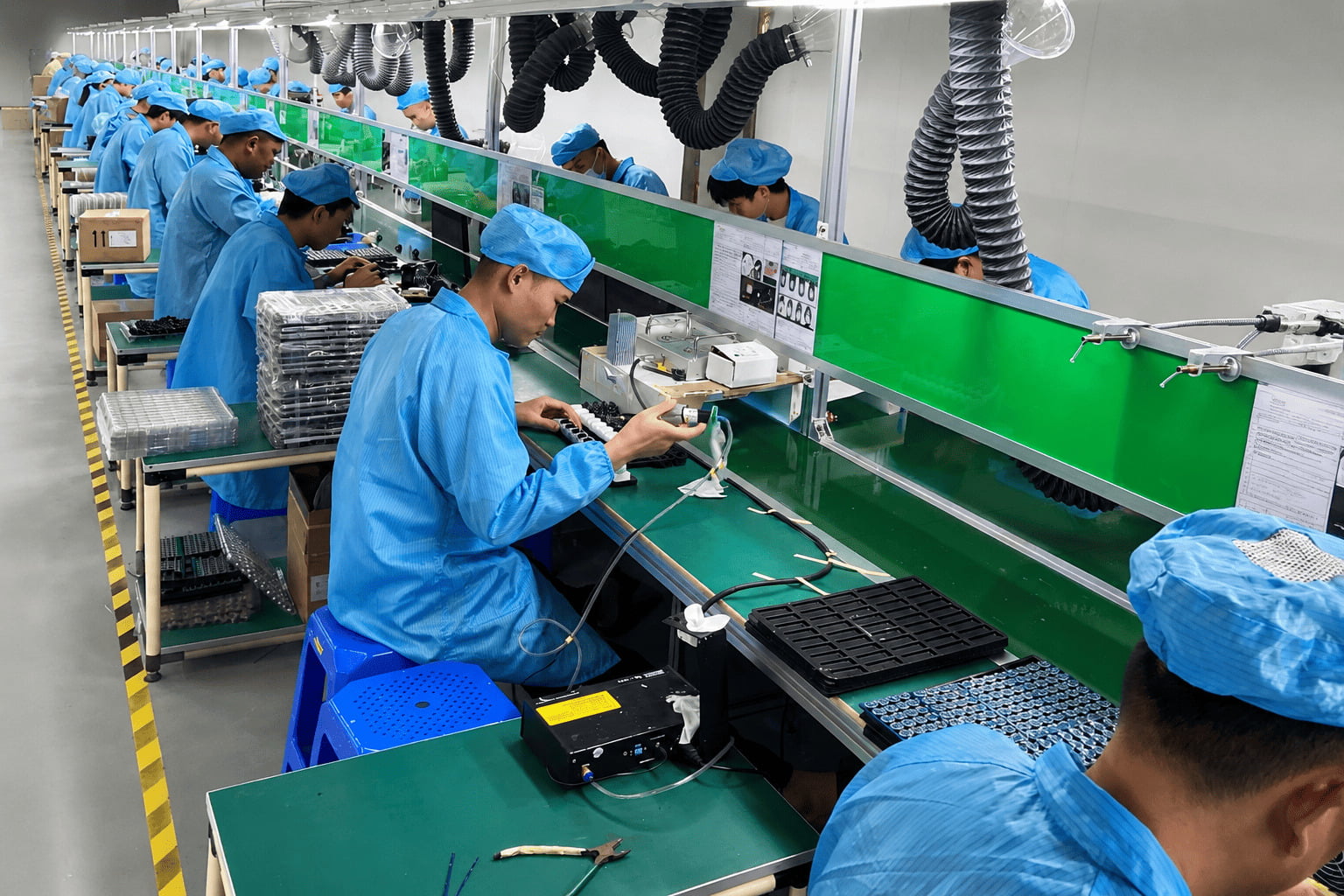
Dive Deeper: Beyond the Sticker Price for Small Batch Earbuds
When a client wants to explore private label earbuds with a small initial order, my first step is always to manage expectations regarding customization. While it's tempting to think that paying a little extra per unit will unlock full branding potential, that's rarely the case with small batches.
Drastically Increased Per-Unit Cost
As discussed, the per-unit cost for a small batch is inherently higher. A 500-unit order might see a unit price of $10-$12, whereas the standard 3,000-unit MOQ for a similar model could be in the $7.3-$8.5 range. This 30-40% price difference directly eats into profit margins, making it challenging to compete in mid-range wholesale markets. When I explain this to clients, I often highlight that this isn't just a difference in supplier margin, but a reflection of unavoidable manufacturing overhead. This price differential means less room for distribution markups, ultimately affecting your ability to sell competitively.
Limited Customization and Branding Leverage
This is where the dream of a unique private label often collides with the reality of small batch orders. Our core strength is OEM/ODM, but customization feasibility is highly dependent on MOQ.
- Logo Printing: Basic logo printing (pad printing or laser engraving) might be possible on existing stock models, but even this often has an MOQ for the printing service itself, meaning you might pay a flat setup fee that inflates the per-unit cost further for small quantities.
- Color Customization: Forget custom housing colors for small batches. Factories buy plastic granules in large quantities. A custom color requires a minimum purchase from the plastic supplier, which is typically enough for tens of thousands of units. For small orders, you're limited to standard, readily available colors (black, white, sometimes a factory blue or pink).
- Packaging Design: While custom packaging design is always possible, the production of custom boxes, inserts, and manuals also has its own MOQs, usually 1,000-2,000 units for cost-effectiveness. For 500 units, you'll likely pay a premium for generic boxes with a sticker, or very basic custom printing that is disproportionately expensive.7
- Feature Customization: Want a specific chipset, a different battery capacity, or a unique button layout? These are all major modifications that require engineering time, new PCB designs, and re-tooling, making them completely unfeasible for low MOQ earphones. You'll be limited to the factory's standard, off-the-shelf models.
In essence, with small batches, you're buying what the factory already has or can easily assemble from existing stock, not a truly customized product. This defeats the purpose for many who seek to differentiate their brand in a crowded market.
Hidden Costs of Time and Effort
While not monetary, the time and effort invested in managing a small batch order can be significant. The communication overhead per unit is higher, and you might find yourself with less priority compared to larger orders. As a trading company, we work hard to ensure all clients receive excellent service, but factory production lines naturally prioritize larger, more profitable runs. This can lead to delays and less flexibility.
How Do Small Batch Earbud Orders Affect Certifications and Lead Times?
Beyond costs and customization, two critical factors for any importer are product certifications and production lead times. These elements are often overlooked when focusing solely on the unit price and MOQ for small batch procurement of earbuds, yet they can significantly impact market entry and legal compliance.
What are the implications of small batch earbud orders for product certifications and lead times?
Small batch earbud orders complicate securing necessary product certifications (like CE, RoHS, FCC, UN38.3) because the cost of testing and documentation must be amortized over very few units, making it disproportionately expensive. Furthermore, small batches typically face extended lead times as they are often relegated to lower production priority, delaying market entry and inventory replenishment.8
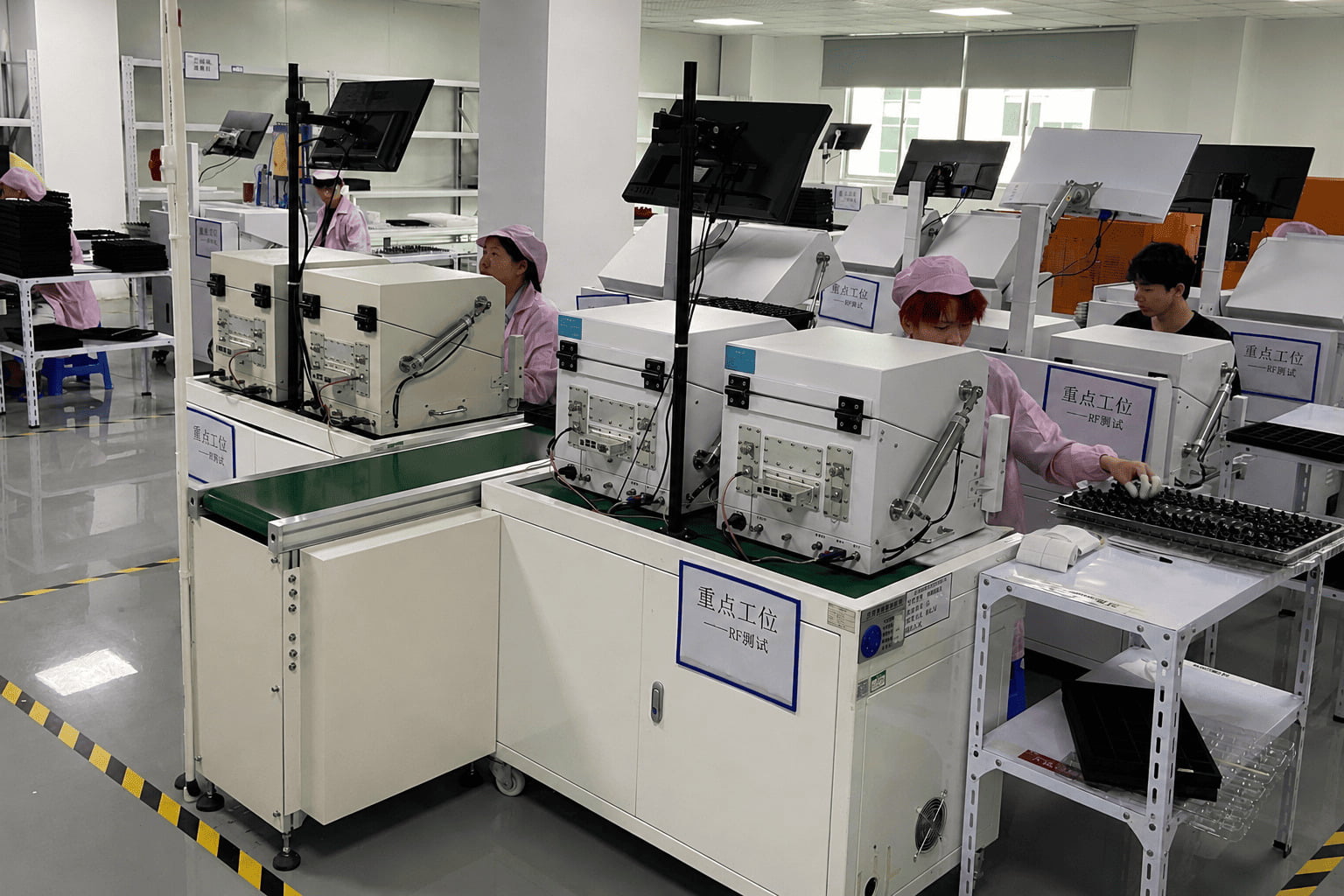
Dive Deeper: Navigating Compliance and Scheduling for Small Batches
When clients ask about shipping their bulk earphone orders to Europe or North America, certifications immediately come into play. For many of these markets, compliance is not optional. My experience has shown that small orders present unique challenges here.
The Certification Conundrum
Products like Bluetooth earphones require a host of certifications, depending on the target market. These include:
- CE (Europe): Demonstrates compliance with EU health, safety, and environmental protection legislation.
- RoHS (Europe): Restricts the use of specific hazardous materials in electronic products.
- FCC (North America): Regulates interstate and international communications by radio, television, wire, satellite, and cable.
- UN38.3 & MSDS: Essential for safe air and sea transport of lithium-ion batteries.
The critical point: These certifications involve rigorous testing by accredited labs. The cost of these tests (often thousands of dollars per certification) is largely fixed, regardless of the quantity of products being certified.9
| Certification Cost Scenario | Small Batch (500 units) | Standard MOQ (3,000 units) | Impact on Unit Cost |
|---|---|---|---|
| FCC Test Cost ($2,000) | $2,000 / 500 = $4.00 per unit | $2,000 / 3,000 = $0.67 per unit | +$3.33 per unit for small batch |
| CE Test Cost ($1,500) | $1,500 / 500 = $3.00 per unit | $1,500 / 3,000 = $0.50 per unit | +$2.50 per unit for small batch |
| Total Added Cost | ~$7.00 per unit (for just two certs) | ~$1.17 per unit | Significantly higher for small batch |
As you can see, for a small batch, the certification costs alone can add several dollars to the per-unit price. This makes the product significantly less competitive. While our partner factories often have existing certifications for standard models, using these for a tiny, customized batch might be challenging, or the factory might pass on the full pro-rata cost. For any new product or significant modification on a small batch, initiating new testing is rarely cost-effective for the buyer.
Extended Production Lead Times
Lead time is another area where small batch procurement of earbuds suffers. For a standard 3,000-unit order, our typical production lead time is around 40 days. This includes material procurement, production, quality control, and final packaging. For smaller orders, this can stretch considerably.
- Production Priority: Factories schedule their lines based on efficiency and profitability. Larger orders naturally take precedence. A small batch might be squeezed in during downtime or between larger runs, leading to unpredictable delays.
- Material Sourcing Delays: If specific components need to be sourced at low volumes, this can lead to delays as suppliers might wait to consolidate orders or charge a premium for expedited delivery.
- Batching with Other Orders: Sometimes, a factory might try to "batch" several small orders together to meet a component MOQ or achieve line efficiency. While this can make small orders viable, it means your specific order is dependent on others, leading to longer and less predictable lead times.
From my practical experience working with wholesalers in Russia, missing a key sales season because of extended lead times on a small batch can be more damaging than the higher unit cost itself. Timely replenishment and new product launches are crucial, and small batch orders simply don't offer the reliability needed for a fast-paced consumer electronics market.
When Might Small Batch Procurement of Earbuds Be Justified?
Given all the significant drawbacks, it's reasonable to question if small batch procurement of earbuds ever makes strategic sense. While it is rarely a sustainable long-term procurement model, there are very specific, narrow circumstances where the high costs and limitations might be tolerated for a particular business objective. It's crucial to understand that in these cases, you are paying a premium for a specific type of market intelligence or urgent need, not for cost-efficient supply.
Under what specific circumstances could small batch earbud procurement be a viable strategy?
Small batch earbud procurement might be justifiable as an expensive market testing tool for niche products, for urgent limited-run promotional items, or for initial sample evaluation by large brands before committing to a full MOQ. In these scenarios, the objective is usually rapid validation or immediate need, where the cost of delayed market entry or missed opportunity outweighs the high per-unit cost and customization limitations of small orders.
Dive Deeper: Strategic Applications of High-Cost, Low-Volume Earbuds
The real decision variable for a buyer isn't "can I buy 500 units?" but rather, "what do I sacrifice by ordering below manufacturing efficiency thresholds, and is that trade-off justified by my market test hypothesis?" I've seen some large clients use small batches effectively, but only within a carefully defined strategy.
1. Expensive Market Validation for Niche Products
This is perhaps the most common scenario where small batch makes sense. If you have a highly innovative, niche earbud concept (e.g., specialized sports earbuds with unique sensors, or highly ergonomic sleep monitoring earbuds) that has no direct market precedent, a small batch allows you to:
- Test Market Acceptance: Gauge consumer interest, pricing elasticity, and marketing messages with real physical products.
- Gather User Feedback: Collect invaluable feedback from early adopters to refine the product before a large-scale launch.
- Proof of Concept: Present physical samples to potential distributors or investors to secure larger commitments.
However, it's vital to recognize this as an investment in data, not a profitable sales venture. The higher unit cost means you'll likely sell these initial units at a loss, or at a very slim margin, purely to gather information. For example, a client wanting to test an open-ear earbud model in a specific cold-weather market might order 500 units to evaluate performance and user acceptance in that unique environment, understanding it's a test batch.
2. Limited-Run Promotional Items or Corporate Gifts
For companies needing a small quantity of branded earbuds for a specific event, corporate gifts, or a high-value promotional campaign, small batches can be considered. In these cases:
- Brand Exposure is Key: The primary goal is not profit from earbud sales, but enhancing brand image or customer loyalty.10
- Budget Allocation: The cost is often absorbed by marketing or corporate gifting budgets, where the per-unit cost is less scrutinized than in a retail product line.
- Minimal Customization: Often, basic logo printing on a standard model is sufficient, aligning with the limited customization available for small orders.
I once assisted a client who needed 300 units of custom-logo earbuds for an international tech conference. While the per-unit price was higher than a bulk order, the value of having their brand represented at the event justified the premium.
3. Initial Samples for Large Buyers or OEM/ODM Evaluation
Established wholesalers or brands exploring new suppliers or product lines might request small batches for intensive internal testing. This differs from market testing because the intent is not to sell, but to thoroughly evaluate product quality, performance, and supplier reliability.
- Quality Assurance: Test samples are put through rigorous internal QA processes, often beyond what a consumer might do.
- Compatibility Testing: Ensure the earbuds integrate seamlessly with existing product ecosystems or software.
- Supplier Vetting: A small order acts as a real-world test of the supplier's communication, production capabilities, and delivery.
In these instances, the high cost of the small batch is a necessary expense for de-risking a much larger future investment. We often provide standard models in smaller quantities (e.g., 50-100 units) for this purpose, understanding that a larger, multi-thousand-unit order is the eventual goal.
The critical takeaway: For all these scenarios, the buyer is making a conscious decision to accept higher costs and limitations in exchange for specific, short-term benefits that justify the deviation from efficient procurement. It's a calculated expense for valuable insights or urgent needs, never a pathway to competitive wholesale pricing or scalable private label manufacturing. For sustainable growth, shifting to standard MOQs is essential.
Frequently Asked Questions
What is the typical MOQ for Bluetooth earbuds from Chinese factories?
The typical MOQ for Bluetooth earbuds from Chinese factories, especially for models allowing basic customization like logo and packaging, generally starts around 2,000 to 3,000 units. For fully customized OEM/ODM projects, MOQs can be significantly higher, often 5,000 units or more, depending on the complexity.
Can I get samples of earbuds before placing a bulk order?
Yes, you can typically get samples of earbuds before placing a bulk order. Our company, for instance, provides samples, usually for a fee covering the unit cost and shipping. This allows buyers to evaluate product quality and performance firsthand before committing to larger quantities, minimizing procurement risks.
How does small batch affect my ability to customize earbuds?
Small batch orders severely limit customization for earbuds. You'll generally be restricted to existing factory models, often with only basic logo printing (if feasible) or generic packaging. Extensive customization like unique colors, housing designs, specific chipsets, or complex packaging usually requires meeting significantly higher MOQs, typically 3,000 to 5,000 units or more.
Is it cheaper to buy earbuds from a distributor for small quantities?
For small quantities of earbuds, it is almost always cheaper and more practical to purchase from a local or regional distributor rather than attempting direct factory procurement.11 Distributors have already absorbed the high MOQs, certifications, and shipping costs, allowing you to buy smaller quantities at a retail or wholesale price without the complexities of international B2B sourcing.
What are the main risks of buying small batch earbuds?
The main risks of buying small batch earbuds include disproportionately high per-unit costs, limited or no customization options, longer and less predictable lead times, difficulty in securing cost-effective certifications, and reduced negotiation leverage with suppliers. These factors can quickly erode profit margins and delay market entry.
Conclusion
The notion of small batch procurement of earbuds often seems like an attractive low-risk entry point for new ventures, but as we've explored, the reality is far more nuanced and expensive. While technically feasible, it's critical to understand that small batches trigger a fundamentally different cost structure, limit customization, extend lead times, and make certification compliance disproportionately costly. It is best viewed as a high-cost market testing tool, not a sustainable strategy for building a competitive product line.
For wholesalers, importers, and brand buyers seeking to establish stable, profitable product lines in the consumer electronics market, aligning with standard MOQ requirements (typically 3,000 units for us) offers the best balance of competitive pricing, customization potential, efficient production, and reliable supply. If you're ready to explore how a stable supply chain of market-proven Bluetooth earphones can elevate your business, contact Shenzhen Kerui Zhilian Trading Co., Ltd. today. We specialize in wholesale, OEM, and ODM services, backed by over 15 years of factory partnerships and deep consumer market insight, ensuring you receive products designed for real-world success.
"[PDF] How Small Business and Lean Manufacturing Can Change Supply ...", https://digitalcommons.wcl.american.edu/cgi/viewcontent.cgi?article=1594&context=sdlp. Research on manufacturing economics and supply chain management indicates that small batch production often presents significant cost and logistical challenges, making it less viable for sustainable, cost-effective wholesale or private label strategies compared to high-volume manufacturing. Evidence role: general_support; source type: research. Supports: the general challenges and economic infeasibility of small batch manufacturing for sustainable business models.. ↩
"Raw Material Minimum Order Quantity Optimization", https://dspace.mit.edu/entities/publication/e43f520c-9951-4e8d-b867-36c7afb5234c. Manufacturing and supply chain management literature consistently identifies fixed setup costs, raw material procurement thresholds, production line efficiency, and the amortization of quality control efforts as key determinants of Minimum Order Quantities (MOQs). Evidence role: expert_consensus; source type: education. Supports: the primary factors that determine Minimum Order Quantities (MOQs) in manufacturing.. ↩
"Economies of scale", https://en.wikipedia.org/wiki/Economies_of_scale. The concept of economies of scale in manufacturing dictates that as production volume increases, fixed costs are distributed across more units, leading to a lower average cost per unit. Evidence role: definition; source type: education. Supports: the principle that spreading fixed costs over a larger number of units reduces the per-unit cost, illustrating economies of scale.. ↩
"Raw Material Minimum Order Quantity Optimization", https://dspace.mit.edu/entities/publication/e43f520c-9951-4e8d-b867-36c7afb5234c. Studies on electronics supply chain management highlight that component manufacturers frequently enforce MOQs for their parts, which in turn influences the MOQs of finished product manufacturers. Evidence role: general_support; source type: research. Supports: the common practice of component suppliers imposing their own Minimum Order Quantities (MOQs) within the electronics manufacturing supply chain.. ↩
"Comprehensive Production Line Optimization Manual for Industrial ...", https://www.academia.edu/127003728/Comprehensive_Production_Line_Optimization_Manual_for_Industrial_Settings. Operations management and industrial engineering principles emphasize that modern manufacturing systems are primarily designed and optimized for achieving efficiency through large-scale, continuous production. Evidence role: expert_consensus; source type: education. Supports: the fundamental design principle of modern manufacturing focusing on efficiency at scale and high-volume output.. ↩
"Sourcing Electrical Components - 2.009 - MIT", https://2009.mit.edu/sourcing-components/. Economic analyses of manufacturing processes demonstrate that small batch orders typically incur higher per-unit acquisition costs, largely attributable to diminished bulk purchasing power for components and less efficient utilization of production resources. Evidence role: general_support; source type: research. Supports: the economic impact of small batch orders, specifically regarding higher per-unit acquisition costs due to reduced purchasing power and lower production efficiency.. ↩
"Low MOQ Custom Packaging : r/streetwearstartup", https://www.reddit.com/r/streetwearstartup/comments/171ghf0/low_moq_custom_packaging/. Industry reports on packaging and manufacturing often indicate that custom packaging solutions typically have high minimum order quantities, making them either unavailable or prohibitively expensive for small production runs, leading to reliance on generic options. Evidence role: general_support; source type: research. Supports: the challenges and disproportionate costs associated with custom packaging for small batch production volumes.. ↩
"Why Focusing on Lead Time—Not Just Efficiency—Drives Success", https://interpro.wisc.edu/lead-time-drives-manufacturing-success/. Supply chain management studies indicate that factories often prioritize larger orders, leading to smaller batches being scheduled during less optimal times or consolidated, thereby extending lead times and potentially delaying market entry or inventory replenishment. Evidence role: general_support; source type: research. Supports: the tendency for small batch manufacturing orders to experience extended lead times due to lower production priority and scheduling inefficiencies.. ↩
"General Use Products: Certification and Testing | CPSC.gov", https://www.cpsc.gov/Business--Manufacturing/Testing-Certification/General-Use-Products-Certification-and-Testing. Industry analysis and regulatory documentation confirm that the expenses associated with product certification testing, such as for FCC or CE, are predominantly fixed costs, meaning they do not significantly vary with the number of units produced. Evidence role: general_support; source type: research. Supports: the fixed nature of product certification testing costs, regardless of the production volume.. ↩
"Promotional Product Marketing in 2025: Strategies That Drive Results", https://www.pinnaclepromotions.com/blog/promotional-product-marketing-in-2025-strategies-that-drive-results/?srsltid=AfmBOooePrLDLfctrNC7n3op7NT2dvXr16FaBnccLXA8KLWgS2PKjG-v. Marketing and business strategy literature suggests that promotional items and corporate gifts are primarily utilized as tools for brand building, enhancing customer loyalty, and improving brand recall, rather than as direct revenue-generating products. Evidence role: general_support; source type: research. Supports: the strategic objectives of promotional products and corporate gifts, which often prioritize brand image and customer loyalty over direct sales profit.. ↩
"Purchasing Directly from a Manufacturer vs. Through Distribution", https://www.inlineplastics.com/blog/purchasing-directly-from-a-manufacturer-vs-through-distribution/. Supply chain management best practices often advise that for low-volume purchases, utilizing distributors is more efficient due to their ability to absorb MOQs, manage logistics, and provide localized support, thereby reducing the total cost and complexity for the buyer compared to direct factory sourcing. Evidence role: expert_consensus; source type: education. Supports: the recommendation that for small quantities of products, sourcing from a local or regional distributor is generally more cost-effective and practical than direct factory procurement.. ↩