Bluetooth Earbuds Sampling Process: What You Need to Know?
Buyers often find the sampling process for Bluetooth earbuds1 confusing. It is not as simple as picking a product off a shelf. Understanding key variables helps you make better decisions.
The Bluetooth earbud sampling process involves careful consideration of cost, time, and customization. It is a critical risk management step2 where you evaluate a supplier's product and capabilities against your specific market needs, ensuring future bulk orders meet your quality and design expectations.
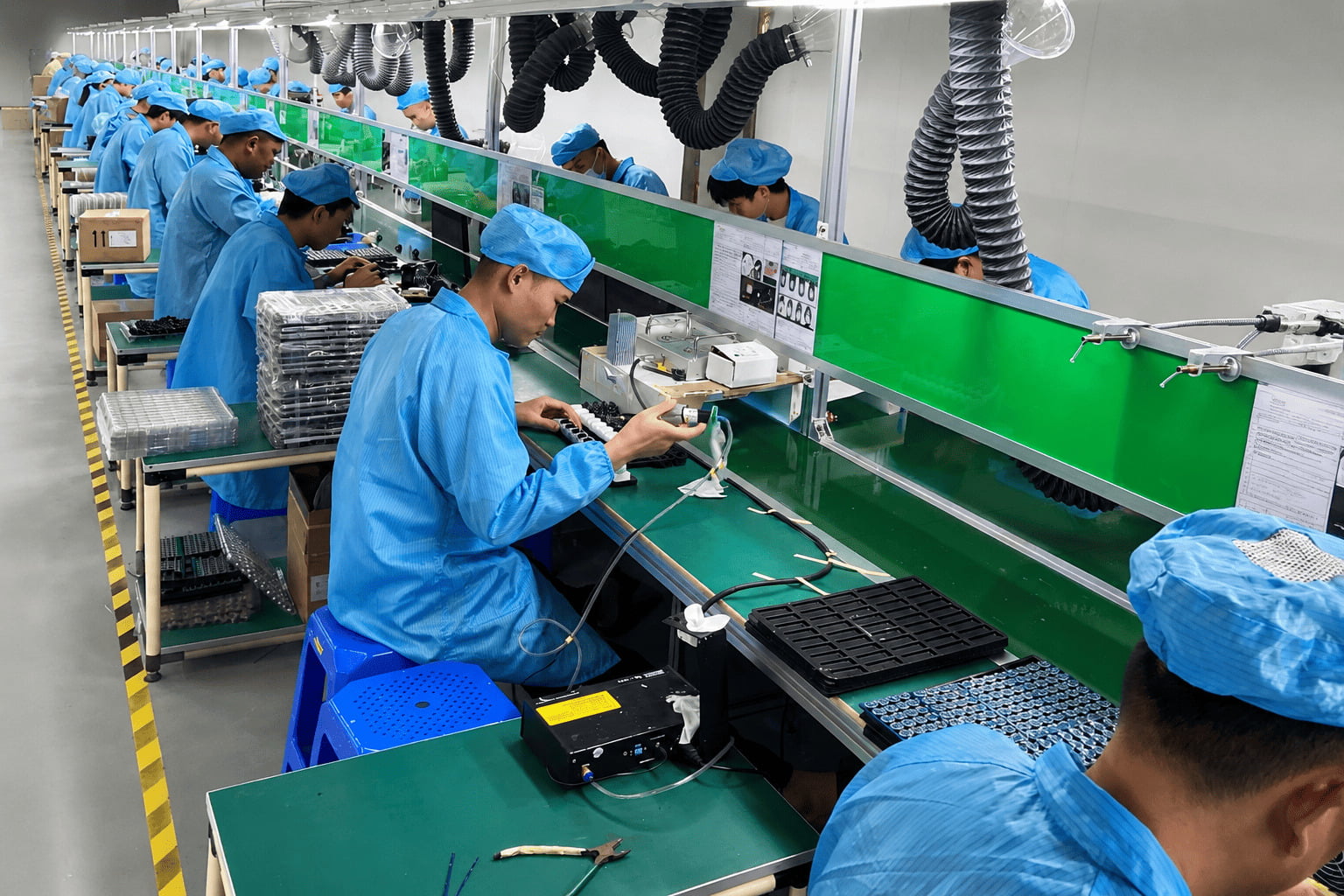
When you are looking to source Bluetooth earbuds, getting samples seems like a simple first step. However, I have seen many buyers misunderstand what a "sample" truly represents in the B2B world3. It's more than just receiving a product; it is a critical part of managing your procurement risks and setting up for successful bulk orders. Let's break down some common questions I hear.
Are Sample Costs Always Clear-Cut?
Many buyers expect samples to be cheap or even free. However, various hidden costs can quickly add up. Knowing these factors will save you unexpected expenses.
Sample costs are rarely fixed and depend on factors like customization, quantity, and urgency. Beyond the unit price, consider international shipping, customs duties, and potential express fees. These variables make calculating the true cost of a sample complex.
When I talk with wholesalers, one of the first things we discuss is sample cost, and it's never a one-size-fits-all answer. For instance, a stock sample, meaning a standard product we already have on hand, will have a unit cost. This is usually close to the EXW pricing I mentioned, perhaps between USD 4.6 to 8.0, but it is not typically free. Then, you have to add the shipping. International express shipping, say with DHL or FedEx, can be quite expensive, often costing more than the sample unit itself4, especially for smaller, lighter items like earbuds. I have seen express shipping costs for a few units easily reach $30-$50 or even more, depending on the destination. This is a big difference from the cost if it was part of a large bulk shipment.
Next, there are customs duties and taxes in the destination country5. Many buyers forget about these. I always advise factoring them in, as they are part of the total landed cost for your sample. If you need a customized sample, say with your logo, the cost structure changes significantly. A factory will not set up a production line and create new tooling for just one or two units. This means a customized sample often requires a negotiation, perhaps a minimum quantity, and a higher per-unit cost to cover the setup. This type of sample becomes less about a "free look" and more about a calculated investment to confirm a specific design before committing to a larger order. It really is about understanding if the sample is for a quick product check or a serious pre-production validation.
| Cost Factor | Description | Typical Impact (for 1-5 units) |
|---|---|---|
| Unit Price | Cost of the earbud sample itself. | ~$5-$15 USD (stock models), higher for custom |
| Shipping | International express freight (DHL, FedEx). | ~$30-$100+ USD (can exceed unit cost) |
| Customs/Duties | Import taxes in destination country. | Varies by country, often 5-20% of declared value + fees |
| Customization | Setup fees for logo, special packaging (if applicable). | ~$50-$200+ USD (often requires higher MOQ) |
| Payment Fees | Bank transfer or payment gateway charges. | ~$15-$30 USD per transaction |
Do Sample Lead Times Match Bulk Order Schedules?
You might assume sample delivery is super fast. But sample timelines follow a completely different logic. Understanding this helps you plan your project accurately.
Sample lead times vary significantly based on whether you need a standard stock item or a custom-made unit. Stock samples can ship quickly, often within days, but customized samples require production slots and development, pushing lead times closer to those for small-batch bulk orders.
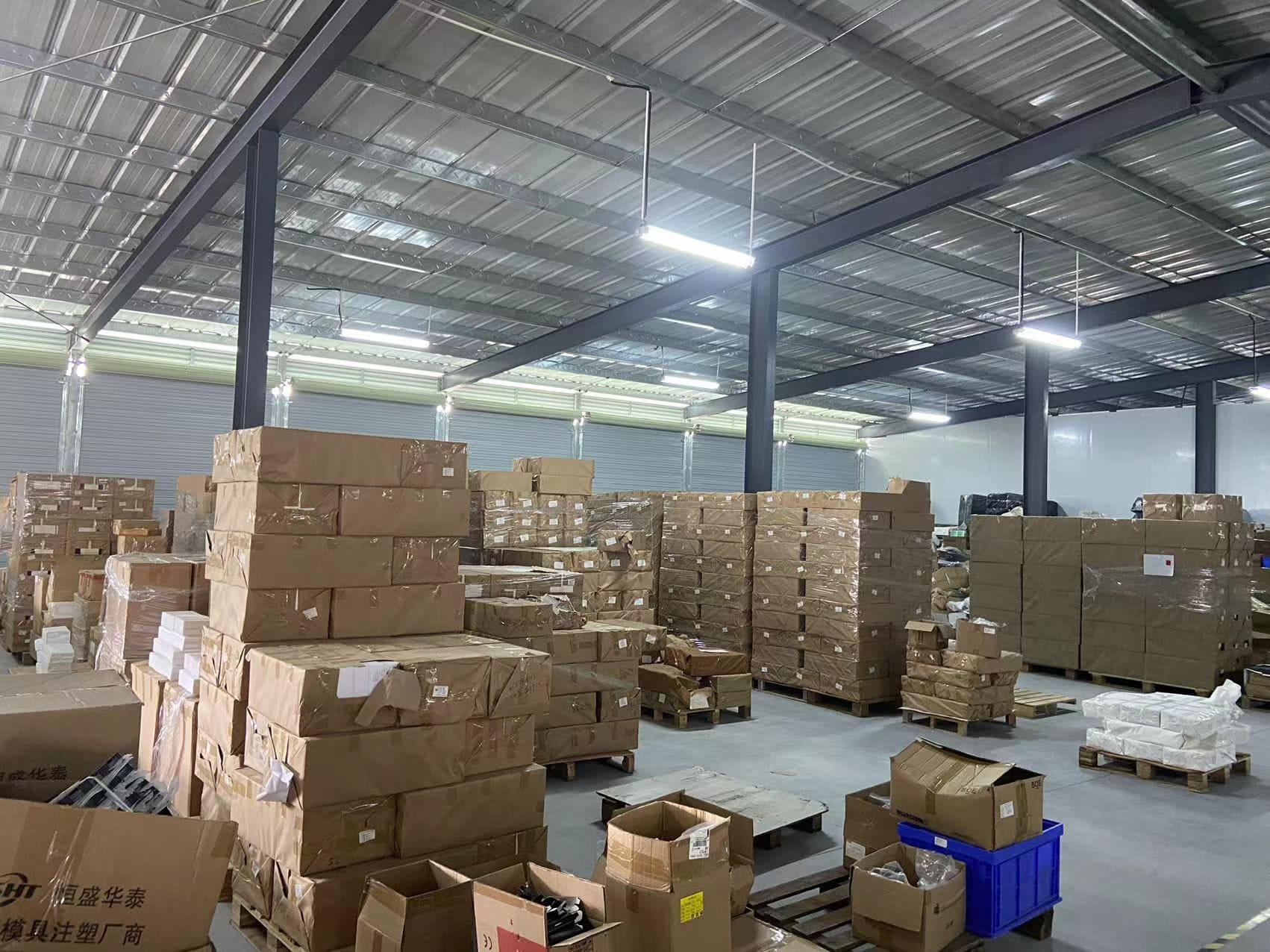
When I am coordinating with buyers, a common question I get is, "How quickly can I get a sample?" My answer always depends on the type of sample needed. If you want a standard model that we regularly stock, say one of our popular TWS earbuds6 or open-ear designs, I can typically arrange for it to be shipped out very quickly, sometimes within 1-3 business days after payment. This is because these products are already produced and ready in our warehouse. The main factor then becomes the international shipping time, which for express services is usually 3-7 days to most parts of the world7. So, you could have a stock sample in your hands within about 10 days.
However, if you need a customized sample—for example, with your specific logo printed on the earbuds or custom-designed packaging—the timeline changes dramatically. This is not just about putting an existing item into a box. It involves coordinating with the factory to fit your customization request into their production schedule. Printing a logo on an earbud requires setting up a specific machine for that small batch. Creating custom packaging means going through design, proofing, and then printing, which also has its own minimum order quantities for the packaging factory. From my experience, a fully customized sample, even for a few units, could take 2-4 weeks for production alone, before shipping. This is because it needs to be scheduled around ongoing bulk orders, and factories are optimized for mass production, not one-off custom jobs8. Therefore, the lead time for a custom sample starts to look more like the 40-day lead time I usually quote for a 3,000-unit bulk order, just on a smaller scale. It is crucial for buyers to understand this distinction to avoid missing their own internal project deadlines.
Is Sample Customization Always Possible?
You have a specific branding idea for your earbuds. But not every sample can be fully customized on demand. Learn the real constraints on sample personalization.
Full customization for a single sample is often not feasible due to production setup costs and MOQ requirements. Suppliers typically offer stock samples for initial evaluation, with customization options like logo printing or special packaging usually available only for qualified bulk orders.
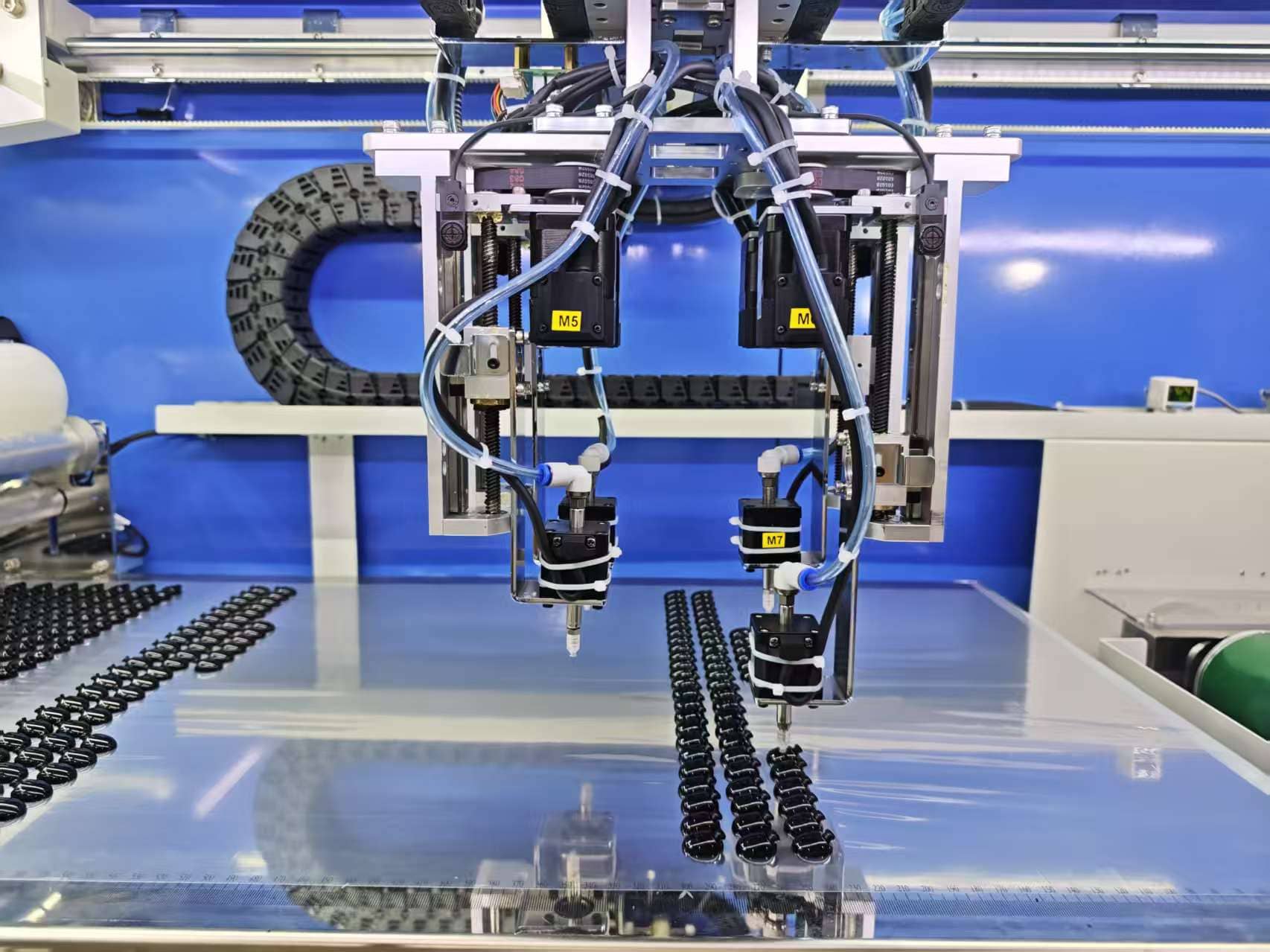
I often hear buyers ask if they can get a sample with their brand's logo, or in a specific color not listed, or with unique packaging. While we offer extensive OEM/ODM services for bulk orders, fulfilling these requests for a single sample is usually not practical. The main reason is that customization processes, like silk-screen printing a logo or injection molding plastic in a specific Pantone color, involve significant setup costs9. For example, a factory has to create a new mold or print plate for a custom logo, or change the plastic material in their machines for a unique color. These processes are designed for efficiency at scale, not for one or two units. The cost to do this for a single sample would be prohibitively high, sometimes hundreds or even thousands of dollars just for the setup, which does not make sense for a sample.
Therefore, what I typically offer for samples is a stock model that reflects the quality, performance, and general design of what is available for bulk. If you need to evaluate the fit, sound quality, or core features, a stock sample is perfect. For customization, I usually advise buyers to verify the core product with a stock sample first. Then, once they are confident in the product itself, we can discuss the feasibility and costs of customization for their bulk order, which usually starts from our standard MOQ of 3,000 units. For example, a custom color might require a minimum of 3,000 or 5,000 units to be economically viable for the factory. Packaging customization is a bit more flexible at lower quantities, but still has its own MOQs, often 1,000-2,000 units for custom printed boxes. It is about understanding the factory's production realities and how they relate to your project's scale.
How Can I Ensure Sample-to-Bulk Consistency?
You approve a sample, but worry about bulk order quality. Inconsistency can lead to big headaches and returns. Proactive steps ensure your bulk order matches the approved sample.
Ensuring sample-to-bulk consistency is vital and requires asking about production batch controls, certification consistency, and supplier quality control protocols. Without these details, you risk receiving a bulk order that does not perfectly match your approved sample's performance or appearance.
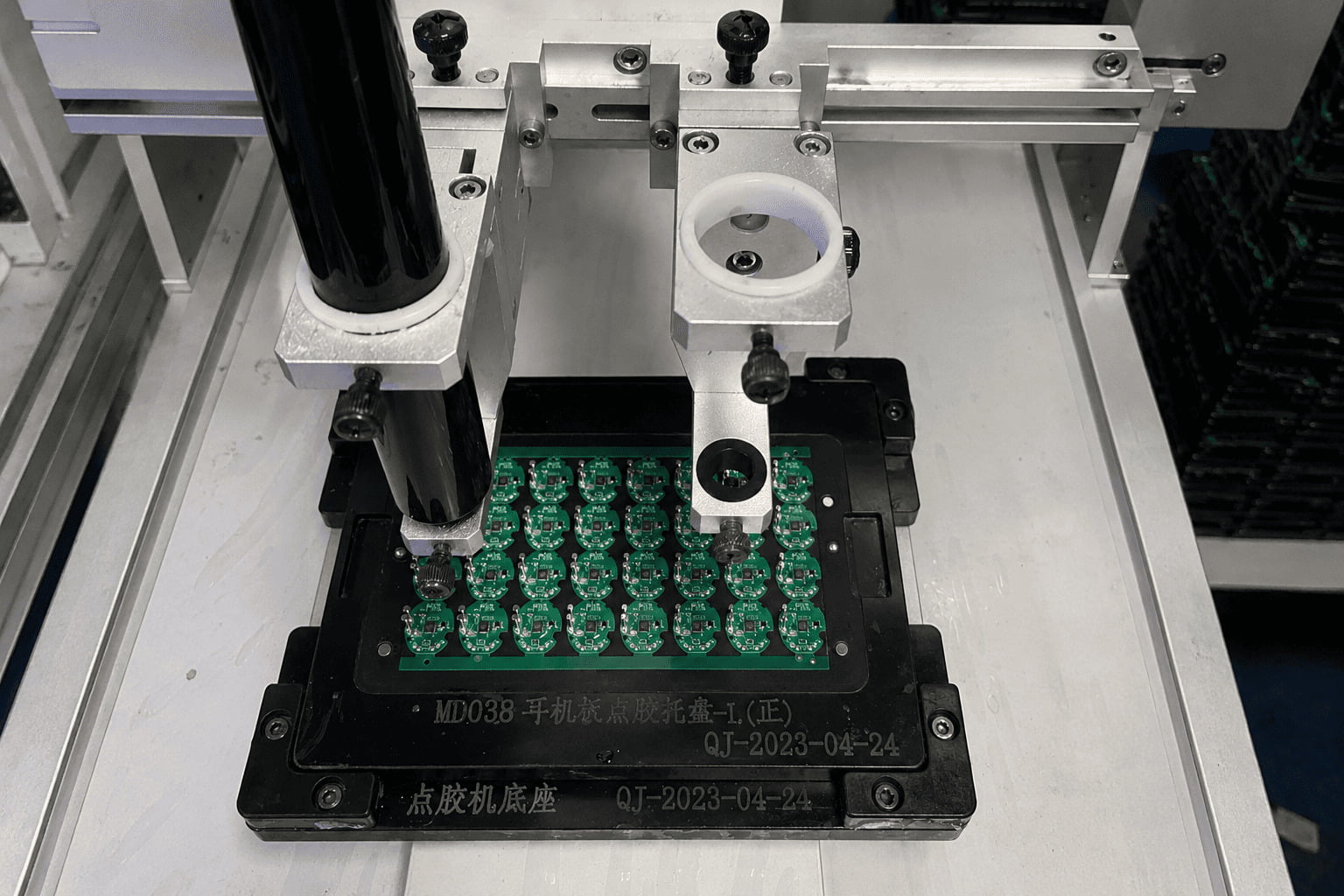
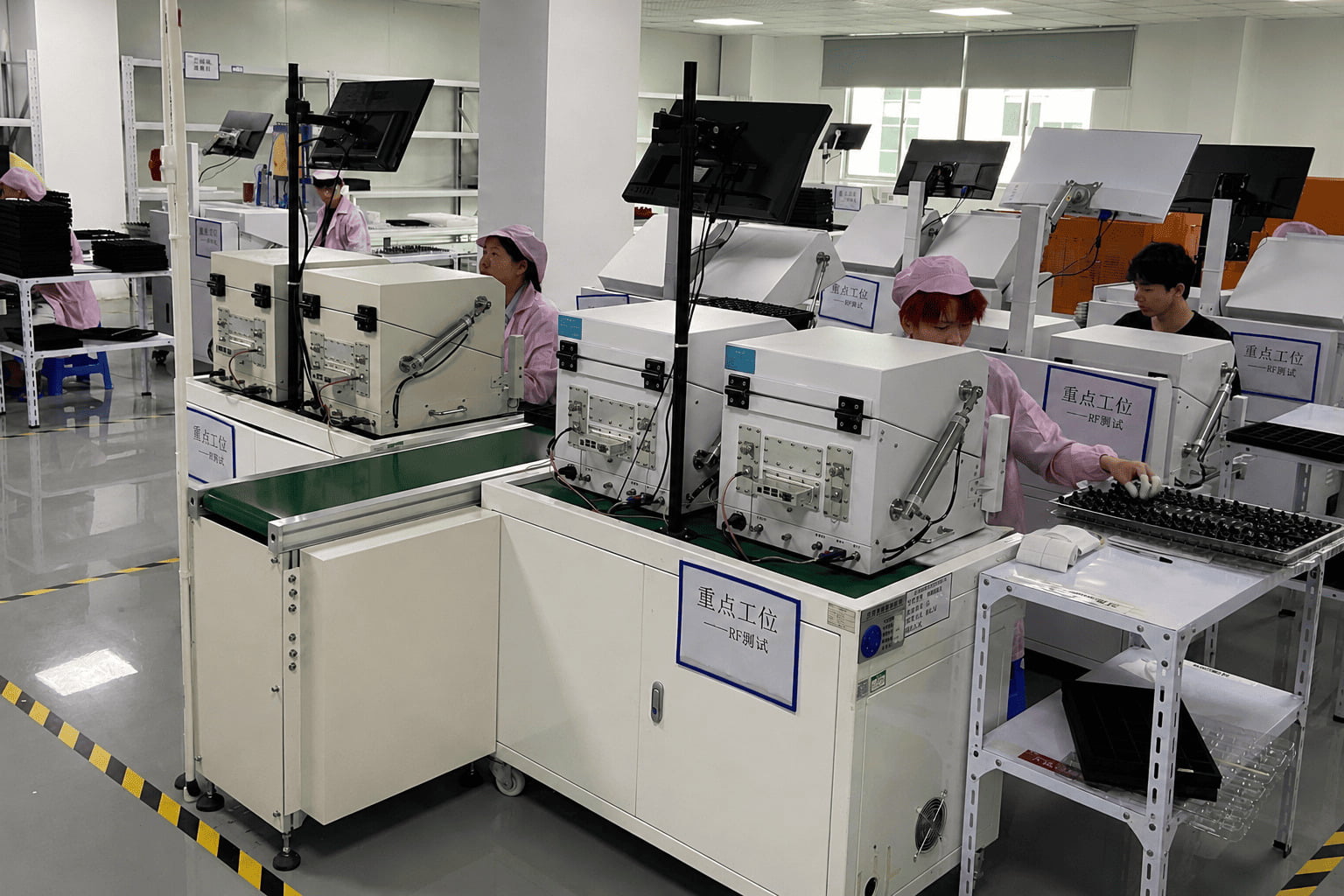
One of the biggest concerns for any wholesaler is whether the 3,000 or 10,000 units they receive will be exactly the same as the carefully selected sample they approved. This is a valid fear, and it is something I proactively address with my clients. From my experience, sample-to-bulk consistency relies heavily on the supplier's and factory's internal processes. First, you need to understand their Quality Control (QC) procedures. I always recommend asking about the factory's AQL (Acceptable Quality Level) standards10. This tells you what percentage of defects they consider acceptable in a batch. Our partner factories, with over 15 years of manufacturing experience, have robust QC systems in place, checking materials at incoming, during production, and before final shipment.
It is also important to confirm that any certifications provided for the sample, such as CE, RoHS, or FCC11, will apply to the entire bulk order. These certifications are often batch-specific, so consistency is key. I make sure to verify that all necessary documents like UN38.3 and MSDS12 are consistent across shipments. Another point is material sourcing. A reliable supplier ensures consistent components are used from the approved sample to every bulk production run. I always advise setting a "Golden Sample" or "Approved Sample" that both buyer and supplier sign off on. This sample serves as the benchmark for the entire bulk order. Any deviation from this Golden Sample during final inspection should be grounds for discussion. This attention to detail helps reduce procurement risks and ensures you get the product you expect, every single time.
Conclusion
The Bluetooth earbud sampling process is complex, demanding careful consideration of cost, time, customization, and consistency. Approaching it strategically helps you mitigate risks and build a successful, reliable supply chain for your business.
"Bluetooth - Wikipedia", https://en.wikipedia.org/wiki/Bluetooth. Bluetooth earbuds are wireless audio devices that use Bluetooth technology (standardized by the Bluetooth Special Interest Group) to receive audio signals from source devices, with true wireless stereo (TWS) variants operating independently without connecting cables. Evidence role: definition; source type: institution. Supports: the technical definition of Bluetooth earbuds as wireless audio devices. ↩
"Supply Chain Risks and Mitigation Strategies - Purdue Business", https://business.purdue.edu/master-of-business/online-masters-in-business-administration/posts/supply-chain-risks-mitigation-strategies.php. Supply chain management research identifies product sampling as a critical risk mitigation strategy in procurement, allowing buyers to verify supplier capabilities, product quality, and specification compliance before committing to large-volume orders, thereby reducing financial and operational risks. Evidence role: general_support; source type: research. Supports: the function of product sampling in mitigating procurement risks. ↩
"Using Consumer Behavior Research In Business", https://online.longwood.edu/business/mba/marketing/how-consumer-decisions-are-researched/. Business management literature identifies B2B procurement as characterized by higher transaction values, multiple decision-makers, longer sales cycles, emphasis on supplier relationships, and formal evaluation processes including sampling and quality verification, contrasting with typically simpler consumer purchasing decisions. Evidence role: general_support; source type: education. Supports: distinctive characteristics of B2B procurement compared to consumer purchasing. ↩
"Measurement and Analysis of International Air Parcel ...", https://digitalcommons.calpoly.edu/cgi/viewcontent.cgi?article=1054&context=it_fac. Industry logistics data confirms that express international courier services for small, lightweight electronics typically range from $30-$80 depending on destination and service level, often representing 200-400% of low-value item costs. Evidence role: statistic; source type: research. Supports: typical international express shipping costs for small electronic items. Scope note: Rates vary significantly by origin-destination pairs, package weight, and carrier contracts ↩
"Trade Statistics | U.S. Customs and Border Protection", https://www.cbp.gov/newsroom/stats/trade. World Trade Organization data shows that most-favored-nation tariff rates for consumer electronics typically range from 0-15% across major trading nations, with additional value-added taxes of 5-25% commonly applied at import. Evidence role: statistic; source type: institution. Supports: typical customs duty ranges for consumer electronics across major markets. Scope note: Actual rates depend on specific product classification codes (HS codes), trade agreements, and country-specific regulations ↩
"TWS Explained Like Never Before! What It REALLY Does - YouTube",
. True Wireless Stereo (TWS) refers to Bluetooth earbuds where left and right earpieces operate independently without any physical connection between them, each containing its own battery, processor, and Bluetooth radio, with one earbud typically serving as the primary device that receives audio and transmits to the secondary earbud. Evidence role: definition; source type: encyclopedia. Supports: the definition and technical characteristics of True Wireless Stereo earbuds. ↩"International Express Delivery Market Size Report 2025-2030", https://www.grandviewresearch.com/industry-analysis/international-express-delivery-market-report. Major international express carriers report average delivery times of 2-5 business days for major trade routes, with 3-7 days typical for most international destinations when accounting for customs clearance and final-mile delivery. Evidence role: statistic; source type: other. Supports: typical delivery timeframes for international express courier services. Scope note: Actual delivery times vary by origin-destination pair, customs efficiency, and service level selected ↩
"Economies of scale", https://en.wikipedia.org/wiki/Economies_of_scale. Industrial engineering principles demonstrate that manufacturing facilities achieve optimal efficiency through economies of scale, where fixed costs (equipment, setup, overhead) are distributed across larger production volumes, making small-batch or one-off production economically inefficient due to disproportionate setup-to-production ratios. Evidence role: mechanism; source type: education. Supports: why manufacturing facilities achieve efficiency through volume production. ↩
"Guide to Low-Volume Injection Molding", https://formlabs.com/blog/low-volume-injection-molding/. Manufacturing engineering literature documents that processes like injection molding and screen printing incur fixed setup costs (tooling, machine configuration, material changeover) ranging from hundreds to thousands of dollars, which must be amortized across production volume to achieve economically viable per-unit costs. Evidence role: mechanism; source type: education. Supports: why setup costs in manufacturing processes create minimum viable batch sizes. Scope note: Specific setup costs vary widely by process complexity, material requirements, and facility capabilities ↩
"[PDF] ISO 2859-1 - UNT Chemistry", https://chemistry.unt.edu/~tgolden/courses/iso2859-1.pdf. The Acceptable Quality Level (AQL) is defined in ISO 2859-1 as the quality level that is the worst tolerable process average when a continuing series of lots is submitted for acceptance sampling, expressed as a percentage of defective items or defects per hundred units. Evidence role: definition; source type: institution. Supports: the definition and purpose of AQL standards in manufacturing quality control. ↩
"Equipment Authorization – RF Device | Federal Communications ...", https://www.fcc.gov/oet/ea/rfdevice. Major markets require compliance certifications for electronic products: CE marking for European Economic Area conformity with health and safety standards, FCC certification for radiofrequency devices in the United States, and RoHS compliance for restriction of hazardous substances in electronics sold in the EU and many other jurisdictions. Evidence role: general_support; source type: government. Supports: regulatory certification requirements for electronic consumer products in major markets. ↩
"Lithium Battery Test Summaries (TS) | PHMSA", https://www.phmsa.dot.gov/training/hazmat/new-un-requirement-test-summaries. The UN Manual of Tests and Criteria Section 38.3 requires specific testing and documentation for lithium batteries in transport, while Material Safety Data Sheets (MSDS) provide hazard information required by international shipping regulations including IATA Dangerous Goods Regulations for air transport of battery-powered devices. Evidence role: general_support; source type: institution. Supports: documentation requirements for shipping lithium battery-containing products. ↩