
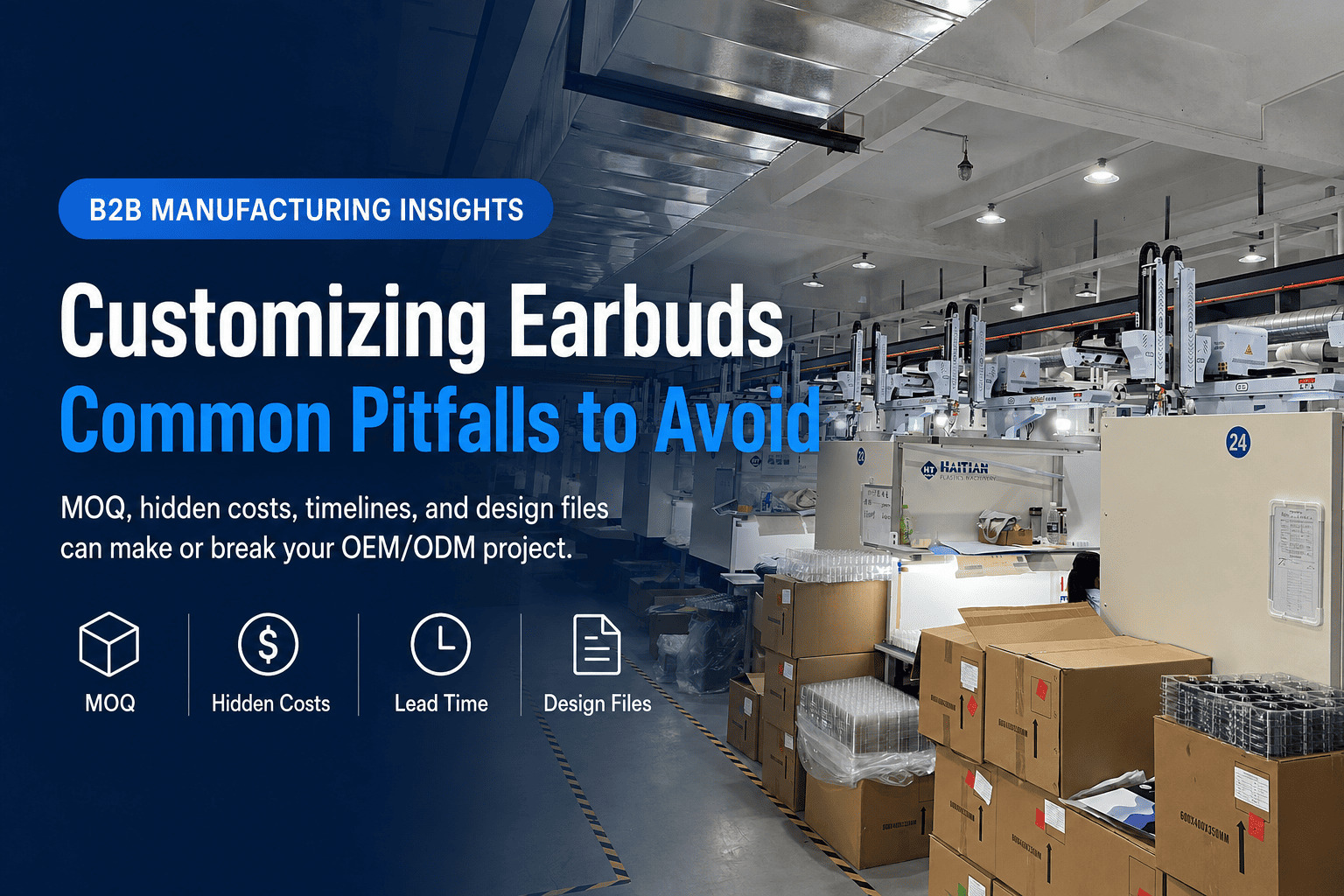
Customizing Earbuds: Are You Avoiding These Common Pitfalls?
Eager to customize earbuds but dreading the process? Many buyers stumble over common, costly mistakes. I will show you how to navigate them effectively.
Customizing earbuds successfully means looking beyond just adding a logo. Key pitfalls involve confusing MOQs, missing hidden costs like tooling and certifications, misjudging project timelines, and submitting incomplete design files. Avoiding these makes your project smoother.
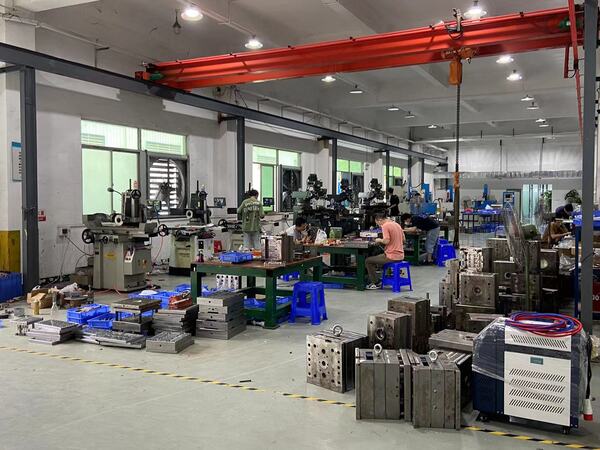
I have worked with many global buyers. I see their excitement for unique products. But I also see where projects hit unexpected snags. Let's look at these in detail. This understanding will help you make better decisions for your brand.
Is Your Customization MOQ an Illusion?
You see a great wholesale MOQ. You think customization is easy from there. This is a common trap for first-time buyers.
Many buyers confuse a supplier's general wholesale MOQ with the specific MOQ needed for deep customization like custom colors or new tooling. True customization MOQs are often higher, driven by investment in specific molds or materials.1
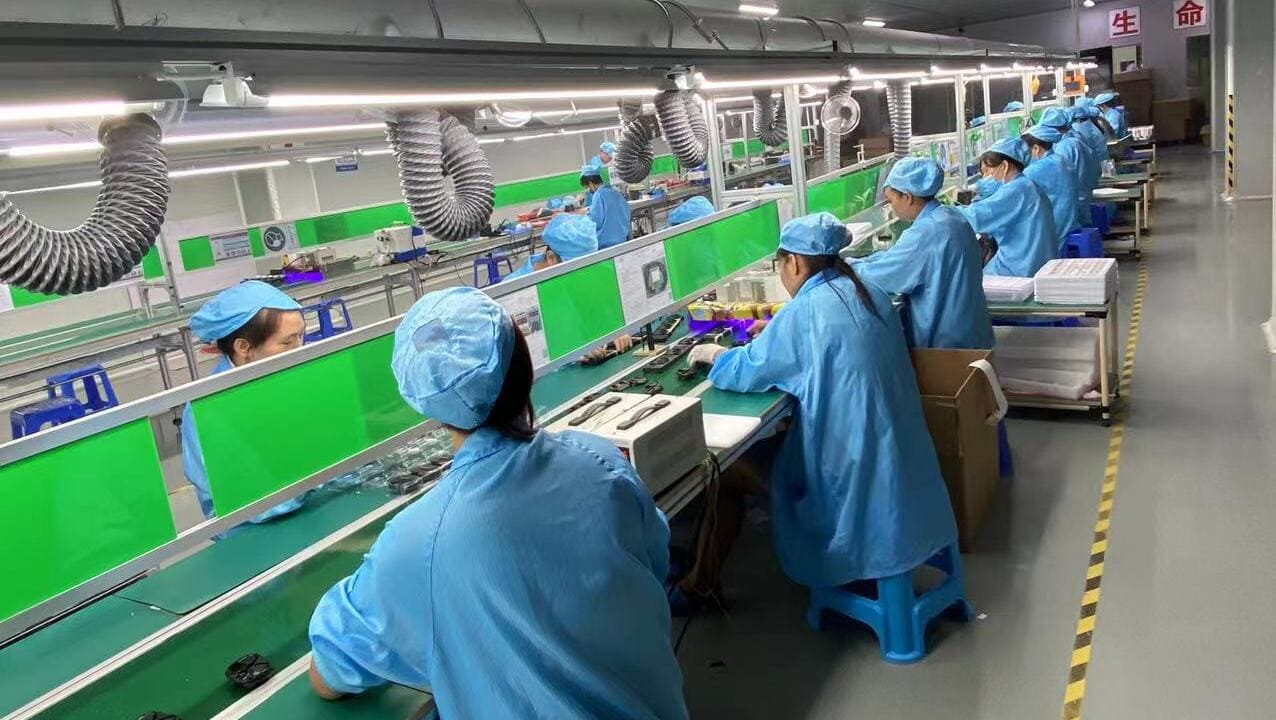
Understanding Different MOQ Types
When we talk about MOQ, it is not just one number. Different parts of your order have different minimums. A supplier might have a standard MOQ for basic wholesale orders. This means you can buy 3,000 units of a product as it is. This is usually easy to meet. But if you want to change something on the product itself, the MOQ can change. For example, adding your logo is often simpler. It might need a lower MOQ than changing the color of the earbud case. Changing the plastic color needs a factory to buy specific raw material. This material often comes in large quantities. So, your custom color MOQ might be much higher. I remember a client in Europe. They wanted a specific shade of blue. They thought their 3,000-unit order was enough. But for that custom color plastic, the factory needed to order raw material in bulk. This pushed the MOQ for that specific color to 10,000 units. We worked with them to find a compromise, maybe a custom color on the packaging instead. That had a lower MOQ. It helped them save money and still get a custom feel.
Here is a simple breakdown:
| Customization Type | Typical MOQ Driver | My Insight |
|---|---|---|
| Wholesale MOQ | Standard product, standard color | This is the base. It often means you take the product as it comes. |
| Logo Printing MOQ | Ink or laser setup for your logo | Often close to the wholesale MOQ. It is a common add-on. |
| Packaging MOQ | Printing plate for custom box artwork | Can be higher than wholesale. Factories need to run a certain number of boxes for efficiency. |
| Custom Color MOQ | Raw material purchase for plastic parts | This is usually the highest. It means buying bulk material for a specific shade. Requires a big order. |
I always tell buyers to ask about the specific MOQ for each customization element they want. This stops surprises later.
Are You Overlooking Hidden Customization Costs?
You get a price per unit. It looks good. But then extra charges appear. Many buyers miss the true cost of customization.
The unit price for custom earbuds often excludes significant upfront costs. These hidden costs include tooling fees for molds and printing plates, sample production costs, specific material purchases, and crucial certification fees for market entry.
Breaking Down the True Customization Budget
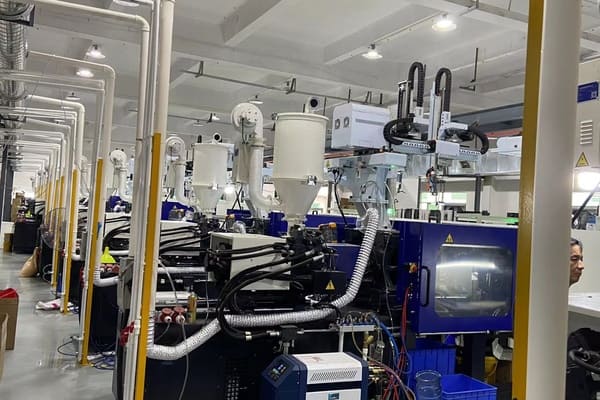
The per-unit price you see is important. But it does not tell the whole story. Customization involves many one-time costs. These costs are often called "tooling fees." For example, if you want a custom shape for your earbud case, the factory needs to make a new mold. Making this mold costs money. It is a one-time charge.2 If you want custom packaging, the factory needs a printing plate. That also costs money. These are not included in the per-unit price. They are paid once, at the start of the project. Then there are sample costs. Sometimes, the first sample is free. But often, you pay for samples. You might also pay for shipping the samples. This ensures you are serious about the order. Certification is another big cost. If you sell in Europe, you need CE and RoHS. In the US, you need FCC.3 These tests cost thousands of dollars.4 They are not part of the earbud price. They are separate project costs. I once helped a distributor in North America. They had a competitive unit price. But they forgot about the FCC certification for their specific market. That cost thousands. It pushed their project over budget because they did not plan for it. Understanding these upfront costs is key to a smooth budget.
Here are common hidden costs to consider:
- Tooling Fees: This is for creating molds (for plastic parts), printing plates (for logos or packaging), or special jigs. These are one-time costs.
- Sample Costs: Sometimes you pay for pre-production samples. This covers material and labor for making a few custom pieces for your approval.
- Certification Fees: Testing for CE, RoHS, FCC, UN38.3 (for batteries), MSDS5. These are legal requirements for selling in many markets. They cost money and take time.
- Design Iteration Fees: If your design changes many times, or if files are not ready, the factory might charge for extra design work.
- Special Material Sourcing: If you need a specific type of plastic or metal that is not standard, there might be an extra cost for finding and buying it.
These costs might seem high alone. But they are spread across your whole order. The more units you order, the less these one-time costs impact your per-unit profit.
Is Your Project Timeline Realistic?
You need custom earbuds quickly for a sales event. You tell me you need them in a month. This is a common timeline mismatch.
Many buyers underestimate the time needed for earbud customization. Real timelines involve weeks for design confirmation, weeks for tooling and sample approval, and over a month for production. This is much longer than standard product lead times.
A Realistic Customization Schedule
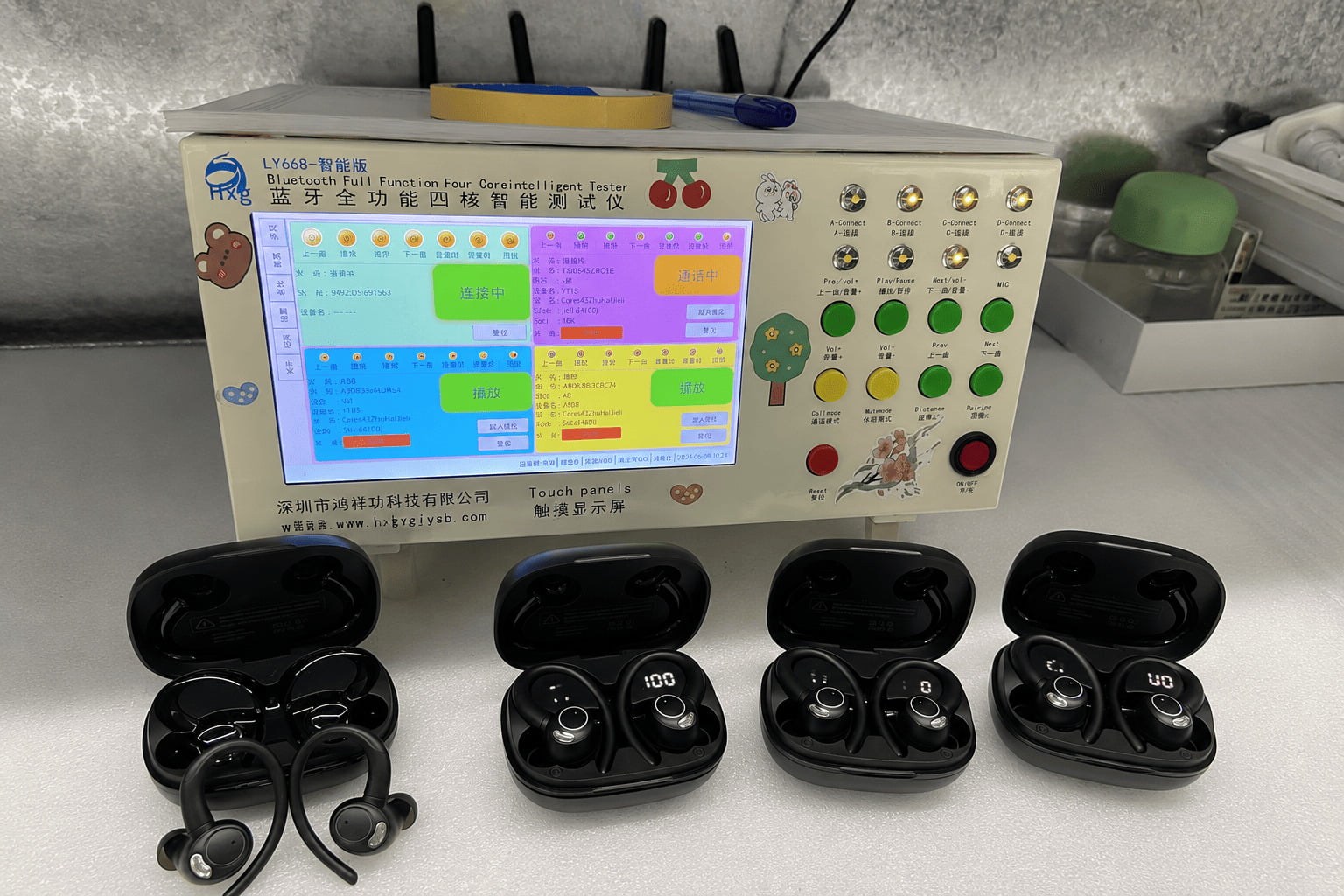
Time is a major factor in customization. It takes more time than buying off-the-shelf products. The first step is design confirmation. You send your ideas. We work with the factory to make a design proof. This can take 10 to 14 days. This is where we confirm colors, logo placement, and packaging layout. After you approve the design, the factory starts tooling. This means making molds or printing plates. This step alone can take 15 to 20 days. Once tooling is ready, they make a physical sample. You need to approve this sample. Shipping the sample to you and getting your feedback takes time. This can be another 3 to 7 days, or even more if changes are needed. Only after you approve the physical sample does mass production start. For an order of 3,000 units, production can take around 40 days.6 This means a full customization project often takes 2 to 3 months from start to finish.7 This does not include shipping time. I see many buyers plan their product launch before confirming a realistic production schedule. A client in CIS wanted custom packaging for a holiday season. They came to us in October. We had to explain that tooling for new packaging, plus production, meant they would miss their target by weeks. We then offered a quick solution, using standard packaging with a custom sticker, which fit their timeline.
Here is a common project timeline:
| Stage | Estimated Timeframe | What Happens |
|---|---|---|
| Design Confirmation | 10-14 days | Review and approve digital mock-ups for logo, colors, and packaging. |
| Tooling & Sample Production | 15-20 days | Factory creates molds, printing plates, and produces the first physical sample. |
| Sample Approval | 3-7 days | You receive the physical sample and confirm it meets your expectations. |
| Mass Production | 40+ days (for 3K units) | Factory manufactures the full order quantity after your sample approval. |
| Quality Control & Packing | 5-7 days | Final checks and preparing goods for shipment. |
Each step needs your input. Delays in your feedback will push back the whole project. Plan your schedule with plenty of buffer time.
Are Your Design Files Truly Ready for Production?
You send us your logo. You think it is ready to print. Often, it is not. This can cause frustrating delays.
Incomplete or incorrect design files often cause significant delays in earbud customization. Buyers frequently provide files lacking bleed zones, precise color codes like Pantone, material specifications, or print-ready vector formats.

What Production-Ready Design Files Mean
Getting your design files right is critical. It sounds simple, but it is a common sticking point. Many buyers send a logo they downloaded from their website. These are often low-resolution JPEG or PNG files. They look good on a computer screen. But when a factory tries to print them on a small earbud or package, they can look blurry or pixelated. For professional printing, we need vector files. These are files like AI (Adobe Illustrator), EPS, or high-quality PDFs.8 Vector files can be scaled to any size without losing quality. Color is another key point. Your logo might look blue on your screen. But there are thousands of shades of blue. We need specific color codes. Pantone codes are best. They tell the factory the exact shade of blue to use.%%%FOOTNOTE_REF9%%% Without these, the final product color might not match your brand. Packaging designs need special attention, too. [They need "bleed zones." This is extra design area around the edges.](https://en.wikipedia.org/wiki/Bleed(printing))10 It makes sure that when the packaging is cut, your design goes all the way to the edge without white lines. I often get JPEG files for a logo. They look good on a screen. But when you try to scale them for printing on a small earbud case, they pixelate. A client in Europe learned this the hard way. Their initial logo proof was blurry. We had to explain the need for a vector file. This added a few days to the design process. It showed me how important it is to communicate these technical details clearly from the start.
Here are the essential elements for production-ready files:
- Vector Format: Always provide logos and key graphics in vector files (AI, EPS, SVG, or high-res PDF). This allows for perfect scaling.
- Pantone Color Codes: Specify exact Pantone codes for all colors. This ensures consistent color matching across different materials and print runs.
- High-Resolution Images: If your design includes photos or complex graphics, ensure they are at least 300 DPI (dots per inch) at the final print size.11
- Bleed Zones for Packaging: For custom packaging, extend your design beyond the trim lines. This prevents unprinted edges after cutting.
- Material Callouts: If your design involves specific materials, like a matte finish or a glossy spot UV, clearly state these details.
Sending ready files saves a lot of back-and-forth. It helps us start your project faster. It makes sure the final product looks exactly how you want it.
Conclusion
Customizing earbuds offers great brand potential. But understanding true MOQs, hidden costs, realistic timelines, and proper file formats is vital. Avoiding these common mistakes will ensure your project's success.
"Why Do Manufacturers Require a Minimum Order Quantity?", https://www.seacomp.com/resources/moq-definition-in-manufacturing. Manufacturing economics literature documents how custom tooling investments and bulk material purchasing requirements drive higher minimum order quantities compared to standard production runs, as fixed costs must be amortized across sufficient unit volumes. Evidence role: mechanism; source type: research. Supports: the economic relationship between tooling investments, material bulk purchasing requirements, and minimum order quantities in custom manufacturing. Scope note: General manufacturing principles rather than earbud-specific data ↩
"How to Estimate Injection Molding Cost?", https://formlabs.com/blog/injection-molding-cost/. Manufacturing engineering resources explain that injection molds represent capital investments with one-time tooling costs that are amortized across production runs, as the mold can produce thousands to millions of parts once created. Evidence role: mechanism; source type: education. Supports: the one-time nature of injection mold tooling costs in plastic manufacturing. ↩
"FCC ID Search | Federal Communications Commission", https://www.fcc.gov/oet/ea/fccid. European Union regulations mandate CE marking and RoHS compliance for electronic equipment placed on the EU market, while the US Federal Communications Commission requires certification for radio frequency devices including Bluetooth earbuds. Evidence role: general_support; source type: government. Supports: the regulatory certification requirements for wireless electronic devices in European and US markets. ↩
"General Use Products: Certification and Testing | CPSC.gov", https://www.cpsc.gov/Business--Manufacturing/Testing-Certification/General-Use-Products-Certification-and-Testing. Testing laboratory and industry sources indicate that comprehensive regulatory compliance testing for wireless consumer electronics typically ranges from several thousand to tens of thousands of dollars, depending on product complexity and the number of standards requiring verification. Evidence role: statistic; source type: institution. Supports: the typical cost range for regulatory compliance testing of consumer electronics. Scope note: Costs vary significantly based on product type, testing scope, and laboratory selection ↩
"Transporting Lithium Batteries - PHMSA", https://www.phmsa.dot.gov/lithiumbatteries. The United Nations Manual of Tests and Criteria Section 38.3 establishes mandatory testing requirements for lithium batteries to ensure safe transport, while Material Safety Data Sheets provide hazard communication for chemical substances, both commonly required for battery-powered consumer electronics in international commerce. Evidence role: general_support; source type: institution. Supports: international safety and transport requirements for lithium battery-containing products. ↩
"How is Manufacturing Lead Time Determined?", https://www.seacomp.com/resources/how-to-determine-manufacturing-lead-time. Manufacturing industry analyses indicate that small-batch production runs of consumer electronics in the 3,000-5,000 unit range typically require 4-6 weeks for mass production, accounting for component sourcing, assembly, and quality control processes. Evidence role: general_support; source type: research. Supports: typical production timelines for small-batch consumer electronics manufacturing. Scope note: Timeline varies based on product complexity, component availability, and factory capacity ↩
"Electronic Product Development Process: Prototyping Hardware", https://www.vergentproducts.com/the-electronic-product-development-process-a-comprehensive-guide/. Manufacturing industry reports indicate that custom consumer electronics projects involving tooling, sampling, and production typically span 8-12 weeks from design approval to shipment-ready goods, with timeline variations based on customization complexity and approval cycles. Evidence role: general_support; source type: research. Supports: typical end-to-end timelines for custom consumer electronics projects. Scope note: Timeline excludes initial design development and post-production shipping ↩
"Artwork Specifications | Document Solutions", https://documentsolutions.utexas.edu/printing/artwork-specifications. Graphic design and printing industry standards specify vector formats (AI, EPS, PDF) for professional print production because vector graphics use mathematical equations to define shapes, allowing infinite scaling without quality loss, unlike raster images which are resolution-dependent. Evidence role: mechanism; source type: education. Supports: why vector file formats are preferred for professional printing applications. ↩
"Color Theory Topic: Color Specification Systems", https://sites.harding.edu/gclayton/Color/Topics/017_ColorSpecs.html. The Pantone Matching System serves as an internationally recognized color standardization system that assigns unique codes to specific color formulations, enabling consistent color reproduction across different materials, printers, and manufacturers through standardized ink mixing formulas. Evidence role: definition; source type: institution. Supports: how Pantone color codes function as a standardized color specification system. ↩
"Bleed (printing) - Wikipedia", https://en.wikipedia.org/wiki/Bleed_(printing). Print production standards define bleed as the area of artwork that extends beyond the final trim edge, typically 3-5mm, which compensates for minor variations in cutting and ensures that design elements extend to the edge of the finished piece without leaving unprinted borders. Evidence role: definition; source type: education. Supports: the definition and purpose of bleed zones in print production. ↩
"Dots per inch", https://en.wikipedia.org/wiki/Dots_per_inch. Printing industry standards establish 300 DPI as the minimum resolution for high-quality print reproduction because this density provides sufficient detail for the human eye at typical viewing distances, balancing image quality with file size considerations. Evidence role: general_support; source type: education. Supports: the industry standard resolution requirement for high-quality print reproduction. ↩