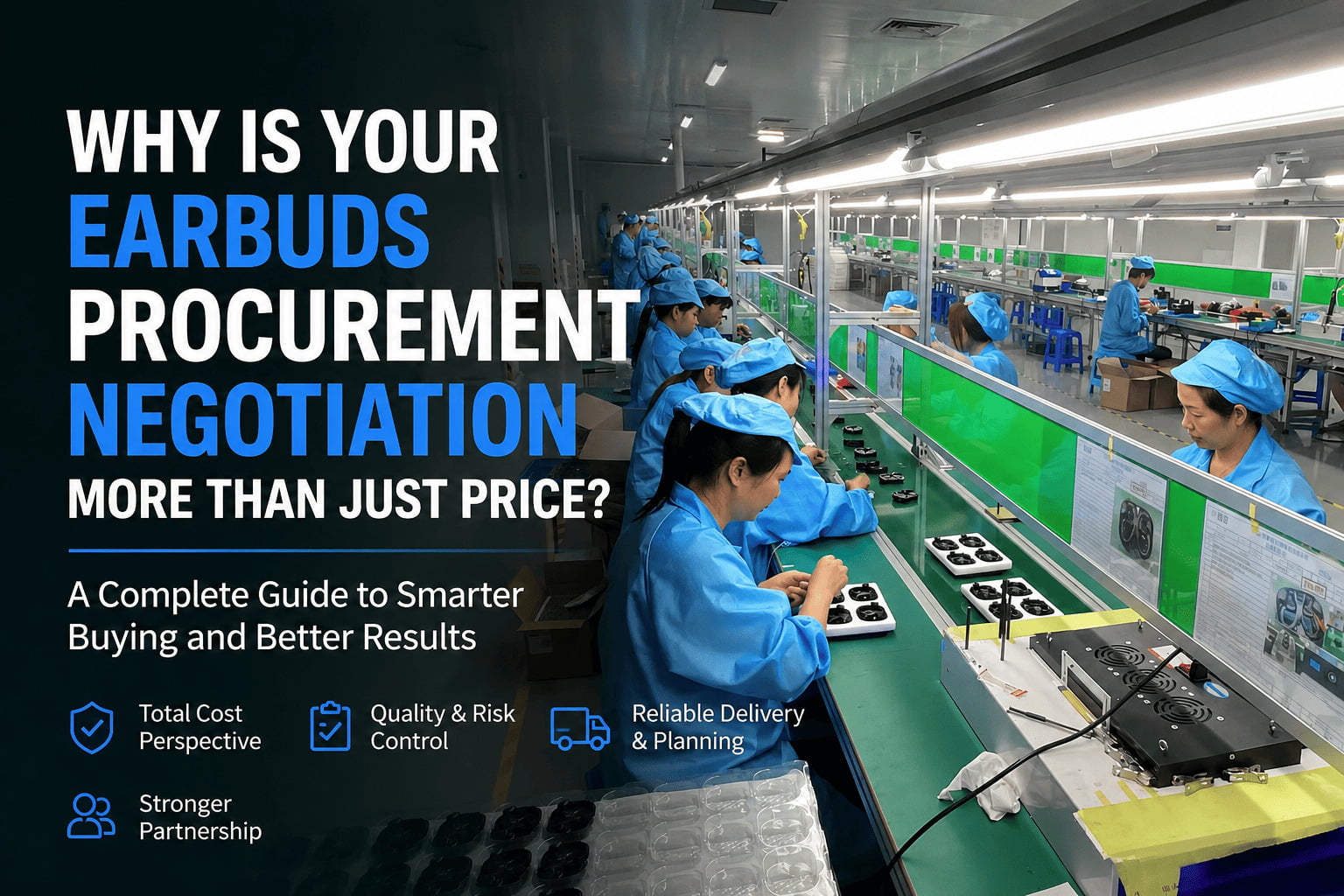
Why Is Your Earbuds Procurement Negotiation More Than Just Price?
Are you struggling to get consistent quality despite chasing the lowest price? Many procurement managers face unexpected headaches after signing seemingly good deals. It costs more than just money.
Large-scale earbuds procurement needs a bigger view. It is not just about the lowest unit price; it is about total procurement cost1 and controlling risks. This includes looking at product specs, consistent mass production, delivery plans, MOQ logic, inspection standards, and who is responsible for quality problems.

From my experience in the manufacturing world, I have seen many negotiations. It is clear that understanding the factory's side can change how you negotiate. This understanding helps you get better products and avoid common pitfalls. Let me share some insights from our factory floor.
Is The Cheapest Quote Always The Safest Quote?
Do you find yourself always pushing for the lowest price? This approach can often lead to more problems than savings later on. It is a common trap for many buyers.
The cheapest quote is often not the safest quote. If you push the target price below a realistic cost, reliable factories may say no2. Weaker suppliers, however, might accept, but they will often cut corners. This means lower material quality, different components, or weaker process checks.
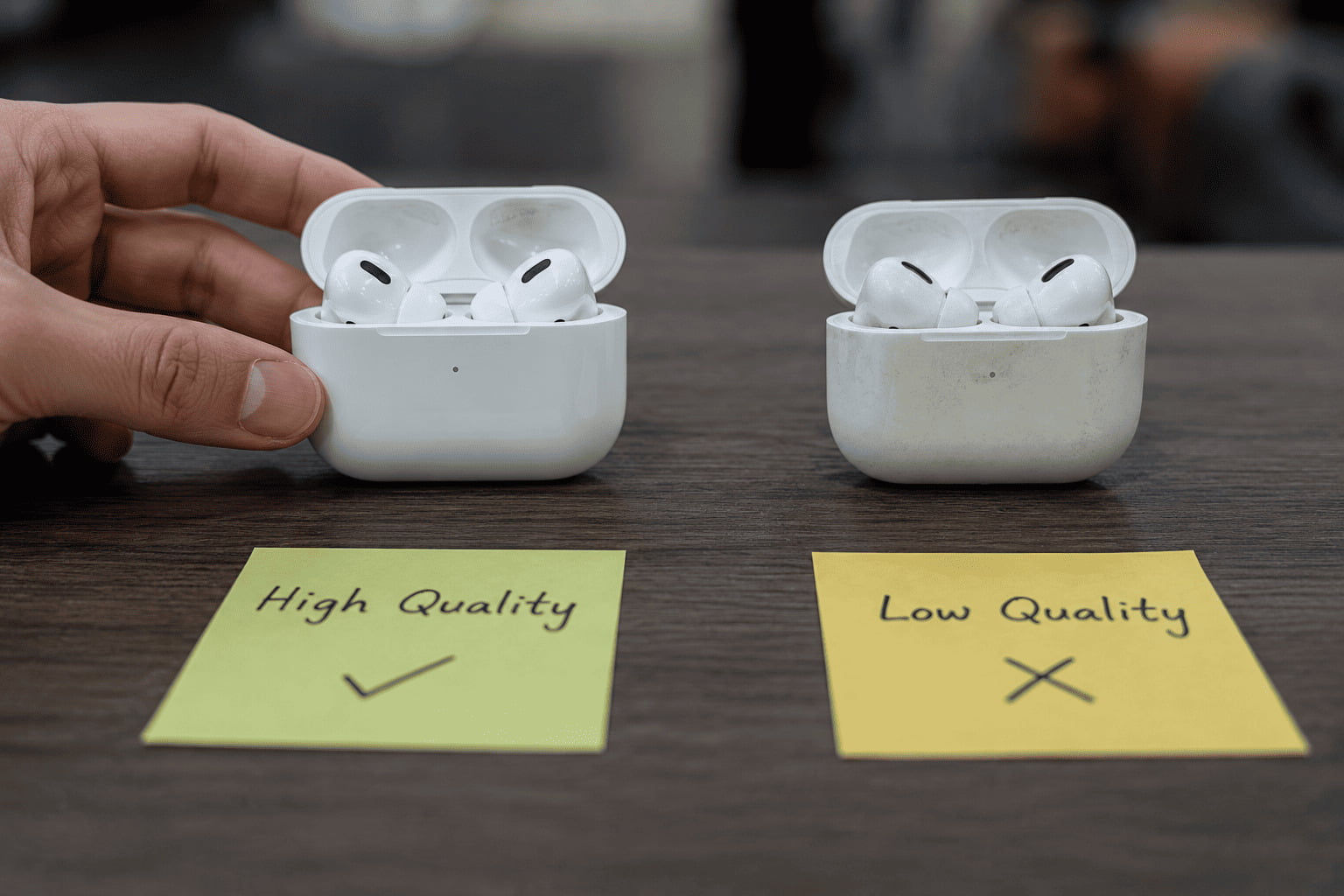
From my seat, overseeing countless production runs and negotiations, I have witnessed this cycle many times. When a buyer demands a price that is simply too low for the agreed specifications, factories like ours, which uphold strict quality standards, often have to decline the project. We know what it truly costs to produce a high-quality earbud, including the costs of skilled labor, advanced machinery, rigorous testing, and reliable raw materials. If we cannot meet those costs, we cannot guarantee our product. However, other suppliers, especially less established ones, might jump at the chance. They might accept the low price but then find ways to reduce their own costs. This often means using cheaper, uncertified plastic for the shells, swapping out the specified Bluetooth chipset for a less stable, generic one, or using lower-grade speaker drivers that do not deliver the promised sound quality. I have seen situations where even the internal wiring or the battery capacity is quietly changed. These changes are hard to spot with just a simple check, but they cause big problems later. They lead to higher defect rates, shorter product lifespans3, and ultimately, damage your brand's reputation. It is a risk not worth taking for a few cents saved per unit. A professional negotiation looks at value, not just the lowest number.
What Shapes The True Cost of Earbuds?
Do you sometimes feel like earbuds pricing is a mystery? It can seem complex, with many numbers changing. Understanding these parts is key.
Many variables shape earbuds cost. These include shell materials, manufacturing processes, the chipset, speaker driver, microphone, battery, acoustic tuning, smart algorithms, packaging, certification, and testing. A good negotiation clarifies which of these can change without hurting your brand’s market promise.
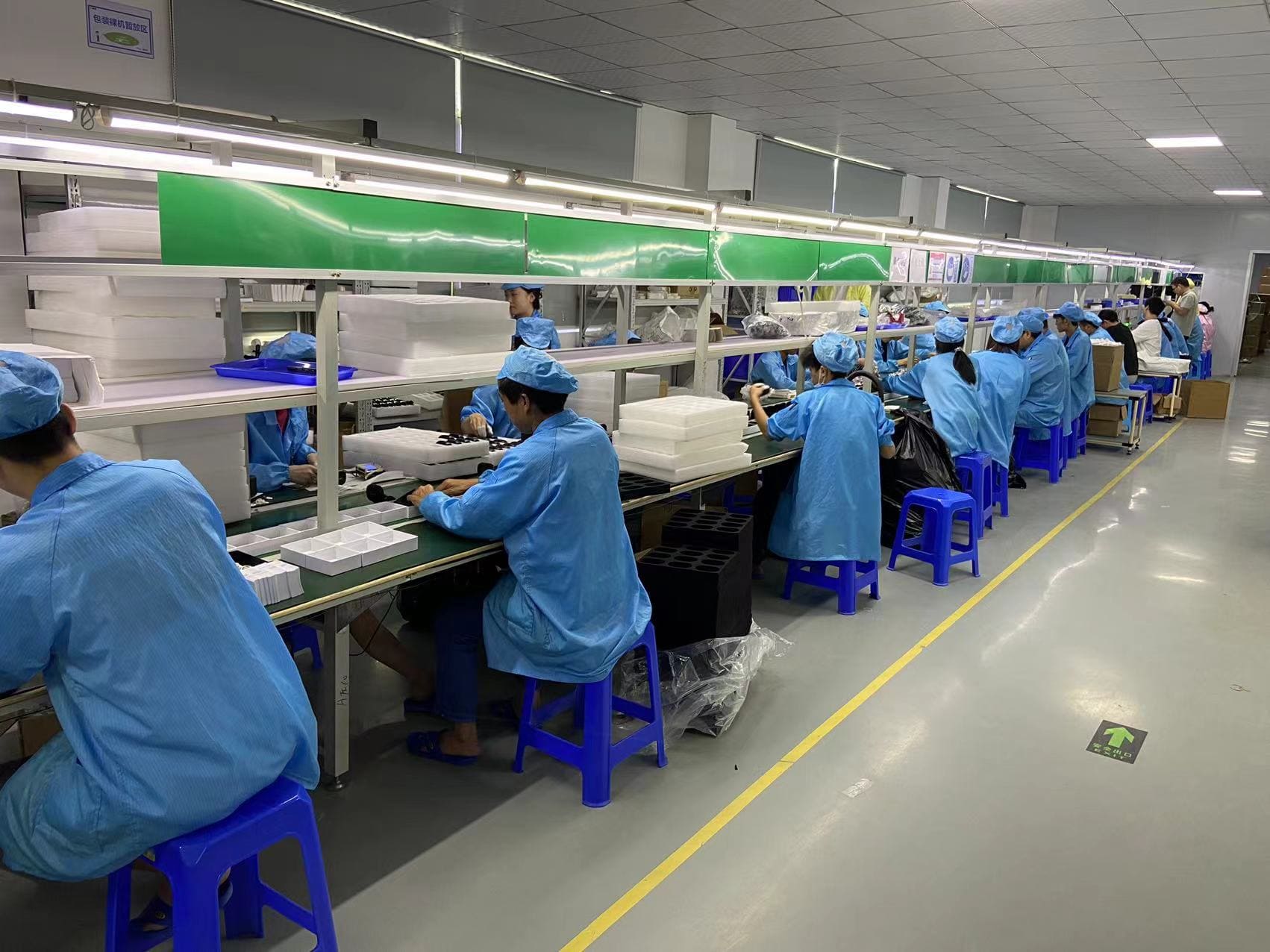
When we break down the cost of an earbud, it is like looking at a carefully balanced ecosystem. Each part plays a role. For example, the shell materials can range from basic ABS plastic to more premium, durable composites, each with different mold costs and processing requirements. The manufacturing process itself involves precision SMT assembly4, injection molding5, and intricate manual work for final assembly; the level of automation and quality control steps directly adds to the cost. The Bluetooth chipset is a core component. A basic chipset offers standard connectivity, while an advanced one supports features like ANC (Active Noise Cancellation)6, ENC (Environmental Noise Cancellation), low latency for gaming, or multi-device pairing. Speaker drivers also vary greatly, from standard dynamic drivers to more complex balanced armatures7, each delivering a different sound profile and requiring different acoustic tuning. The microphone quality affects call clarity. Batteries differ in capacity, cycle life, and safety certifications. Acoustic tuning is not just a simple step; it involves specialized engineers and equipment to perfect the sound. Smart algorithms, for things like touch controls or voice assistants, add software development costs. Even packaging choices, from a simple box to a premium presentation, affect the unit price. Finally, certifications like CE, FCC, RoHS8, and comprehensive testing for performance and durability all have costs. In my experience, a smart buyer discusses these variables openly with us. We can then advise on what components can be adjusted to meet a target price point without sacrificing the most important features for your brand. This way, you understand the trade-offs clearly.
| Cost Variable | Impact on Price | Impact on Performance |
|---|---|---|
| Shell Materials | Higher for premium plastics, metal, or durable composites | Durability, feel, aesthetic, impact resistance |
| Bluetooth Chipset | Higher for advanced features (ANC, low latency, multi-point) | Connectivity stability, range, feature set, power consumption |
| Speaker Driver | Higher for larger sizes, special materials, balanced armature | Sound quality, bass, treble clarity, frequency response |
| Microphone | Higher for noise-canceling (ENC) or multiple mics | Call clarity, voice pick-up quality |
| Battery | Higher for larger capacity, longer cycle life, certified cells | Playtime, charging speed, product lifespan, safety |
| Acoustic Tuning | Higher for specialized engineering, custom sound profiles | Sound signature, user experience, brand specific audio quality |
| Certifications | Higher for international compliance (CE, FCC, RoHS) | Market access, legal compliance, consumer trust |
| Testing | Higher for extensive functional, reliability, durability tests | Product reliability, lower defect rates, consistent performance |
Is Sample Approval Enough For Mass Production Quality?
You might think that once a sample is approved, everything is set. But the journey from one perfect sample to a million consistent units is often harder than it looks. It is a common point of disconnect.
Sample approval is not enough on its own. Brand procurement managers must negotiate how the supplier will keep consistency from the sample to mass production. This includes inspection standards, functional testing, acceptable defect ranges, and who is responsible for quality issues.
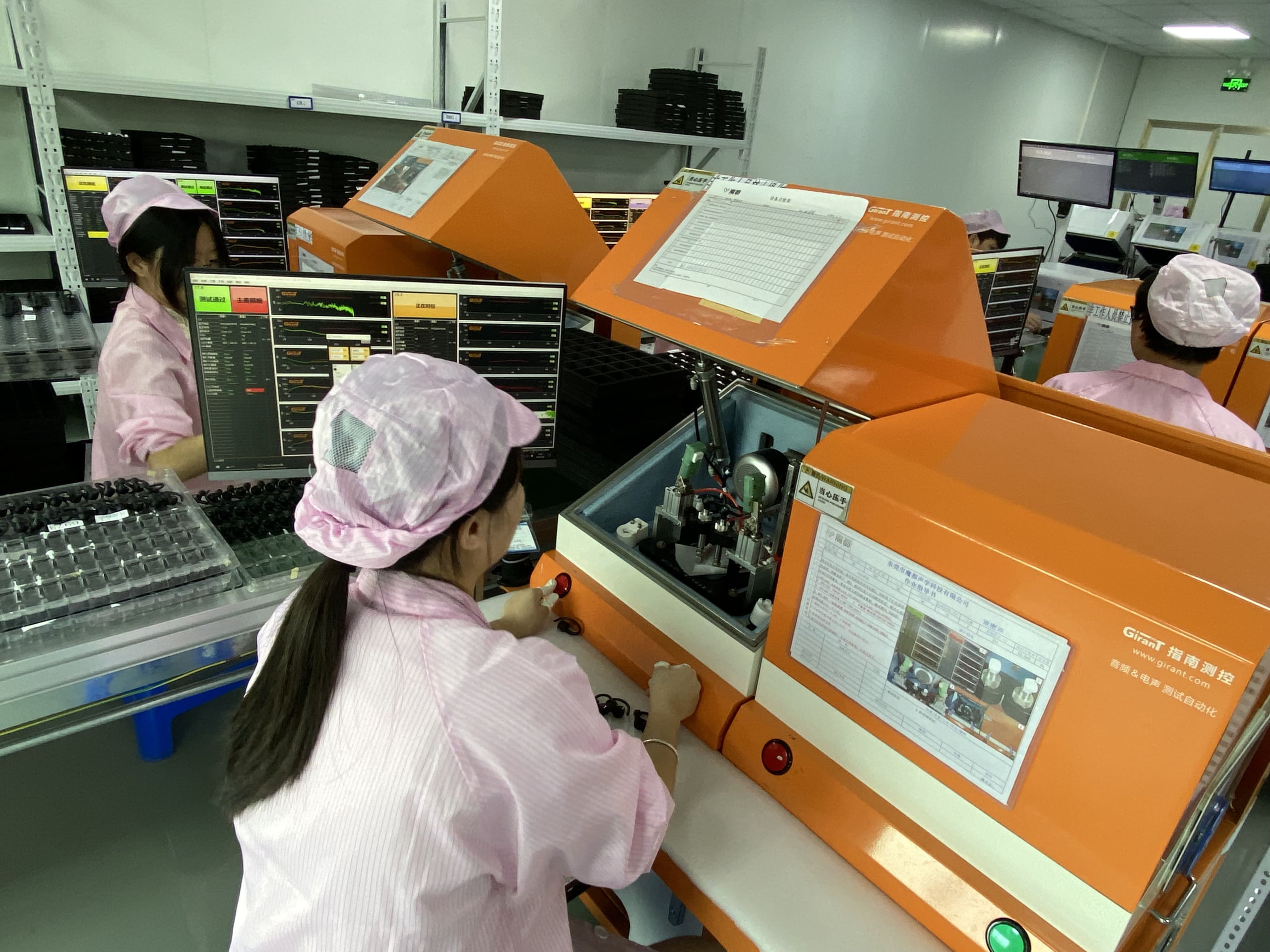
At our factory, we put a lot of effort into making perfect samples. These samples show our capability and the potential of the final product. But scaling up to mass production introduces new challenges9. A production line running at high speed, handling thousands of units daily, is different from a lab where a single sample is made with extreme care. The materials come in batches. Machines run continuously. Human factors are involved. This is why we always tell our clients to look beyond just the sample. I often advise buyers to negotiate very specific details about mass production consistency. First, what are the inspection standards? Do we use AQL (Acceptable Quality Level)10 or a 100% check for critical functions? What are the criteria for cosmetic defects versus functional defects? Second, how will functional testing be performed on each unit? Will there be automated tests for audio quality, battery life, and Bluetooth connectivity? We use advanced automated testing stations for this. Third, what are the acceptable defect boundaries? It is impossible for zero defects in mass production, so setting clear, mutually agreed-upon limits is vital. Lastly, and most importantly, we need to talk about responsibility. Who covers the cost of rework or returns if quality issues exceed the agreed-upon limits after delivery? This discussion, often overlooked, protects both parties and builds trust. It ensures that the quality promise of the sample carries through to every single earbud in your order.
Is MOQ Just A Supplier's Way To Push Big Orders?
Many buyers see MOQ (Minimum Order Quantity)11 as just a barrier. It often seems like a tactic to make you buy more than you need. But there is a deeper reason behind it.
MOQ is not simply a supplier’s bargaining obstacle. It often reflects how material is sourced, how production lines are set up, the cost of customization, and the reality of quality control. Buyers can negotiate MOQ better by talking about order planning, batch delivery, stable specifications, and long-term volume.
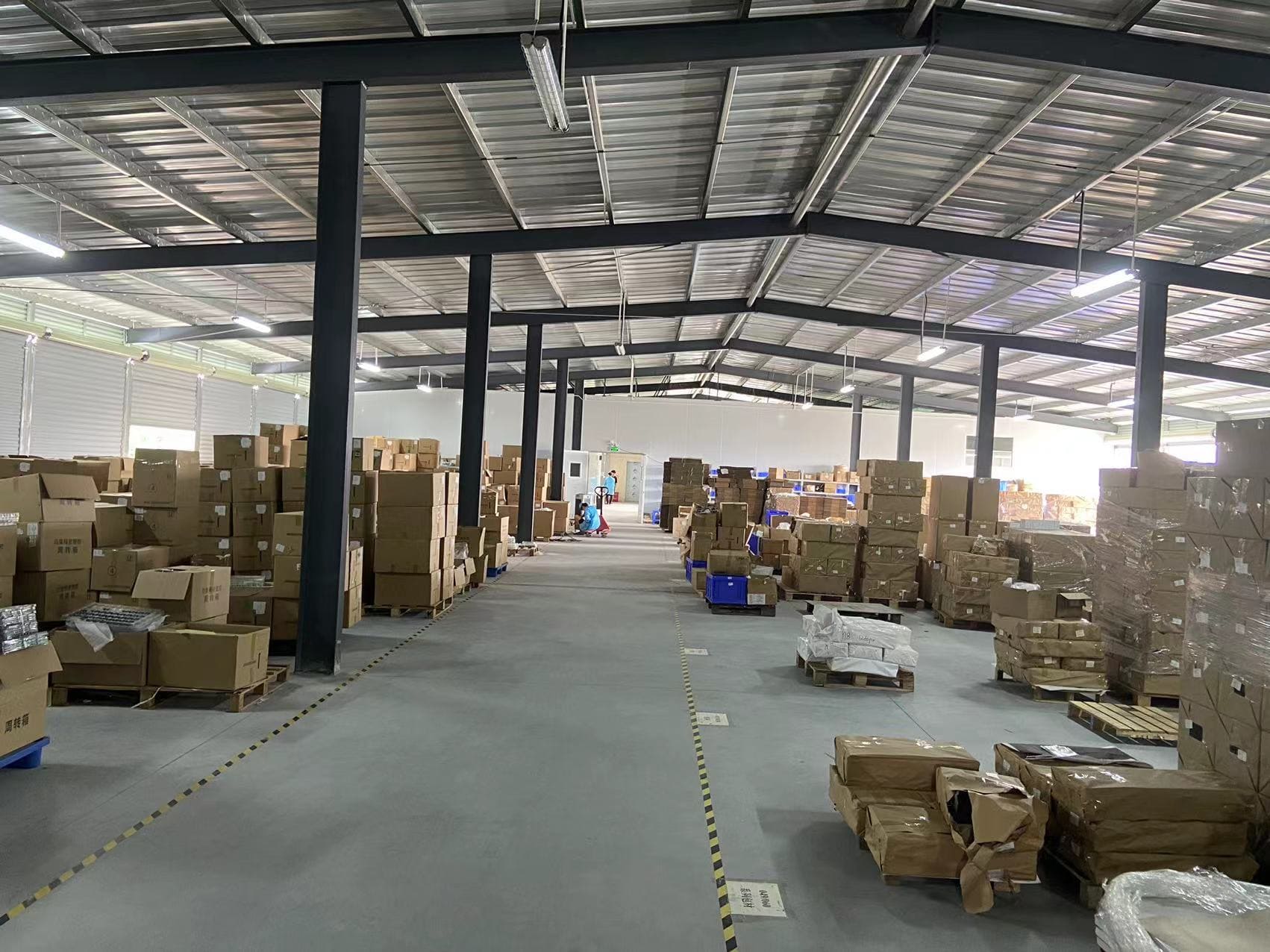
From our factory’s perspective, MOQ is a practical necessity, not just a sales tool. Let me explain. For every earbud we make, we need components like chipsets, drivers, batteries, and plastic resins. Our suppliers for these components also have their own MOQs. They might not sell us just 1,000 chipsets; they might require us to buy 10,000 or 50,000. If your order is too small, we end up holding excess inventory, which costs us money. Setting up a production line also has fixed costs. It takes time and labor to calibrate machines, train staff for a specific product, and set up quality checks. Running a line for a very small batch makes the per-unit cost sky-high. Customization, like unique branding, specific acoustic tuning, or special packaging, also adds a fixed cost regardless of quantity. Spreading this cost over a larger volume makes it more economical for everyone. Quality control is another factor. Performing thorough testing and inspections for very small batches can be inefficient. This means the overhead for QC becomes a larger percentage of the unit cost. I advise buyers to approach MOQ discussions differently. Instead of just asking for a lower number, talk about your annual forecast. Can we schedule batch deliveries over time? Are your product specifications likely to remain stable for a longer period? Long-term commitment and stable specifications give us better leverage with our component suppliers and allow us to optimize our production schedule. This flexibility often allows us to meet your needs, even if it means a slightly lower initial MOQ than our standard.
How Can Big Orders Secure Better Conditions, Not Just Discounts?
When you place a large order, you have significant leverage. But many buyers only use this to push for deeper discounts. This misses a bigger opportunity.
For large orders, buyers should use their order scale to secure clear, verifiable conditions instead of vague discounts. This means negotiating for clear mass-production inspection criteria, definite quality responsibility, specific delivery schedules, and detailed batch production plans.
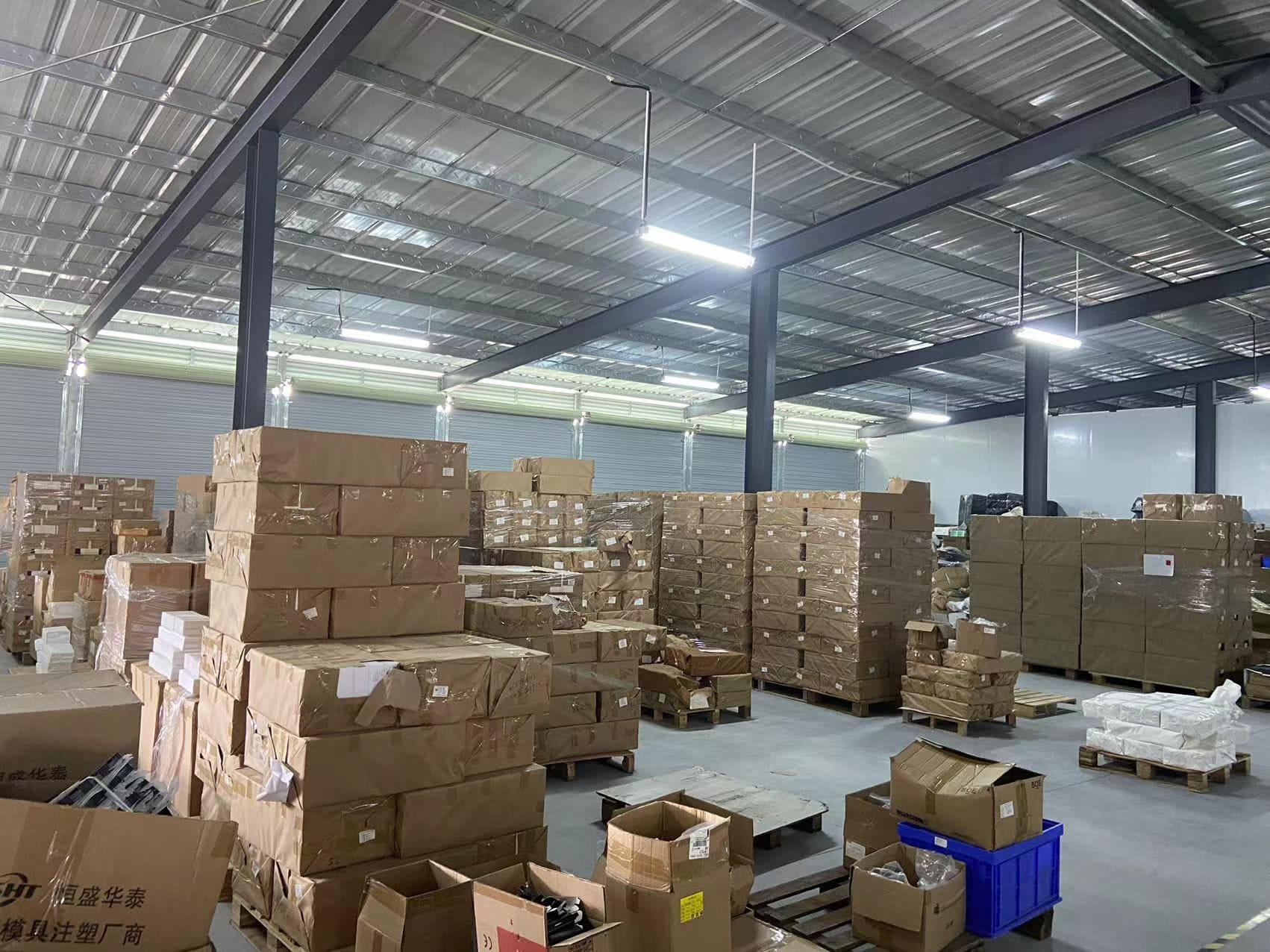
I have seen countless large-scale negotiations where the entire focus is on shaving off a few cents per unit. While price is important, a truly strategic procurement manager uses the sheer volume of their order to secure much more valuable conditions. My advice is to shift from "How cheap can you make it?" to "How can we ensure consistent quality and on-time delivery for this large volume?" First, clarify mass-production inspection criteria. For large orders, we can implement stricter, more frequent in-line checks and end-of-line testing. Negotiate for full inspection reports and access to production data. For instance, we can agree to 100% functional testing for critical features on every single unit, not just sampling. Second, nail down quality responsibility. With a large order, you have the power to define detailed clauses about defect rates, warranty periods, and clear procedures for handling returns or replacements. This protects your brand and reduces your after-sales costs. Third, negotiate precise delivery schedules and batch production plans. Instead of a single delivery date, discuss phased deliveries, buffer stocks at the factory, and how we manage potential disruptions. This ensures a steady supply chain and minimizes inventory risks for you. We can even agree on dedicated production lines for your exclusive use, ensuring consistent output and priority. These verifiable conditions, which we are more than willing to discuss with our large-volume partners, often lead to far greater long-term savings and risk reduction than a small price cut. They build a truly robust and reliable supply chain for your brand.
Conclusion
Procuring large volumes of earbuds is complex. It goes beyond the unit price. A smart negotiation focuses on total cost, risk control, consistency, and clear responsibilities to build a strong, reliable partnership.
"Total Cost of Ownership in the Services Sector: A Case Study", https://www.academia.edu/17484730/Total_Cost_of_Ownership_in_the_Services_Sector_A_Case_Study. Total cost of ownership (TCO) is a widely recognized procurement principle that accounts for all costs associated with acquiring, using, and maintaining a product throughout its lifecycle, not merely the initial purchase price. Evidence role: definition; source type: education. Supports: the concept that procurement decisions should consider total cost of ownership beyond unit price. Scope note: This citation establishes the general TCO concept rather than specifically validating its application to earbuds procurement. ↩
"Adverse selection - Wikipedia", https://en.wikipedia.org/wiki/Adverse_selection. Procurement research documents adverse selection effects where aggressive price targeting can drive higher-quality suppliers out of bidding processes, leaving only those willing to compromise on specifications or quality standards. Evidence role: expert_consensus; source type: paper. Supports: the phenomenon where quality suppliers withdraw from competitions with unrealistically low price requirements. Scope note: This citation supports the general procurement principle rather than providing specific data on electronics manufacturing supplier behavior. ↩
"Circular Economy: Product Longevity | NIST", https://www.nist.gov/el/applied-economics-office/manufacturing/circular-economy/product-longevity. Manufacturing research consistently demonstrates that component quality directly impacts product reliability metrics, with lower-grade materials and components correlating with increased failure rates and reduced operational lifespans in electronic devices. Evidence role: expert_consensus; source type: paper. Supports: the relationship between component quality and product reliability outcomes. Scope note: This citation establishes the general principle in electronics manufacturing rather than providing specific quantitative data for audio products. ↩
"Surface-mount technology - Wikipedia", https://en.wikipedia.org/wiki/Surface-mount_technology. Surface-mount technology (SMT) is an electronics assembly method where components are mounted directly onto the surface of printed circuit boards, enabling higher component density, automated production, and reduced manufacturing costs compared to through-hole assembly. Evidence role: definition; source type: education. Supports: the manufacturing process of surface-mount technology in electronics assembly. ↩
"Injection moulding - Wikipedia", https://en.wikipedia.org/wiki/Injection_moulding. Injection molding is a manufacturing process where molten plastic material is injected into a mold cavity under high pressure, allowing for high-volume production of complex plastic parts with consistent dimensions and surface finish. Evidence role: definition; source type: encyclopedia. Supports: the manufacturing process used to create plastic components. ↩
"Active noise control - Wikipedia", https://en.wikipedia.org/wiki/Active_noise_control. Active noise cancellation uses microphones to detect ambient sound and generates inverse sound waves through speakers to reduce unwanted noise, a technology that requires specialized digital signal processing capabilities in audio chipsets. Evidence role: mechanism; source type: encyclopedia. Supports: the technical principle behind active noise cancellation in audio devices. ↩
"Balanced Armature Earphones & IEMs", https://www.campfireaudio.com/collections/balanced-armature-earphones?srsltid=AfmBOopiAd44OR939Ssyr-qhSpJowigAfROudkLj2e1sd3z3kNeZslnY. Balanced armature drivers use a magnetic armature suspended between two magnets to vibrate a diaphragm, offering higher efficiency and detail resolution in a smaller package compared to traditional dynamic drivers, though typically at higher manufacturing cost. Evidence role: mechanism; source type: encyclopedia. Supports: the technical design and acoustic characteristics of balanced armature drivers. ↩
"Equipment Authorization | Federal Communications Commission", https://www.fcc.gov/engineering-technology/laboratory-division/general/equipment-authorization. CE marking indicates conformity with European health and safety standards, FCC certification ensures compliance with U.S. electromagnetic interference regulations, and RoHS (Restriction of Hazardous Substances) is an EU directive limiting toxic materials in electronic equipment. Evidence role: general_support; source type: government. Supports: the regulatory frameworks governing electronic product safety and environmental compliance in major markets. Scope note: This citation describes the general regulatory frameworks rather than their specific application requirements for earbuds. ↩
"[PDF] Manufacturing Scale-Up of Drugs and Biologics", https://seed.nih.gov/sites/default/files/2024-07/Manufacturing-Scale-Up-Drugs-and-Biologics.pdf. Manufacturing engineering literature identifies the transition from prototype to mass production as a critical phase where process variability, material batch differences, and human factors can introduce quality inconsistencies not present in carefully controlled sample production. Evidence role: expert_consensus; source type: education. Supports: the recognized challenges in maintaining quality consistency when scaling from prototype to mass production. Scope note: This citation addresses general manufacturing principles rather than providing specific data on electronics or audio device production. ↩
"Acceptable Quality Level, AQL Sampling Chart and Calculator - QIMA", https://www.qima.com/aql-acceptable-quality-limit. Acceptable Quality Level (AQL) is an internationally recognized statistical sampling methodology defined in ISO 2859 standards, used to determine the maximum percentage of defective items considered acceptable in a production batch during quality inspection. Evidence role: definition; source type: institution. Supports: the definition and application of Acceptable Quality Level as a statistical sampling method. ↩
"Economic order quantity", https://en.wikipedia.org/wiki/Economic_order_quantity. Minimum order quantities in manufacturing are economically justified by fixed setup costs, component supplier requirements, and the need to achieve economies of scale, where per-unit costs decrease as production volume increases due to the distribution of fixed costs across more units. Evidence role: mechanism; source type: education. Supports: the economic principles underlying minimum order quantities in manufacturing. ↩