
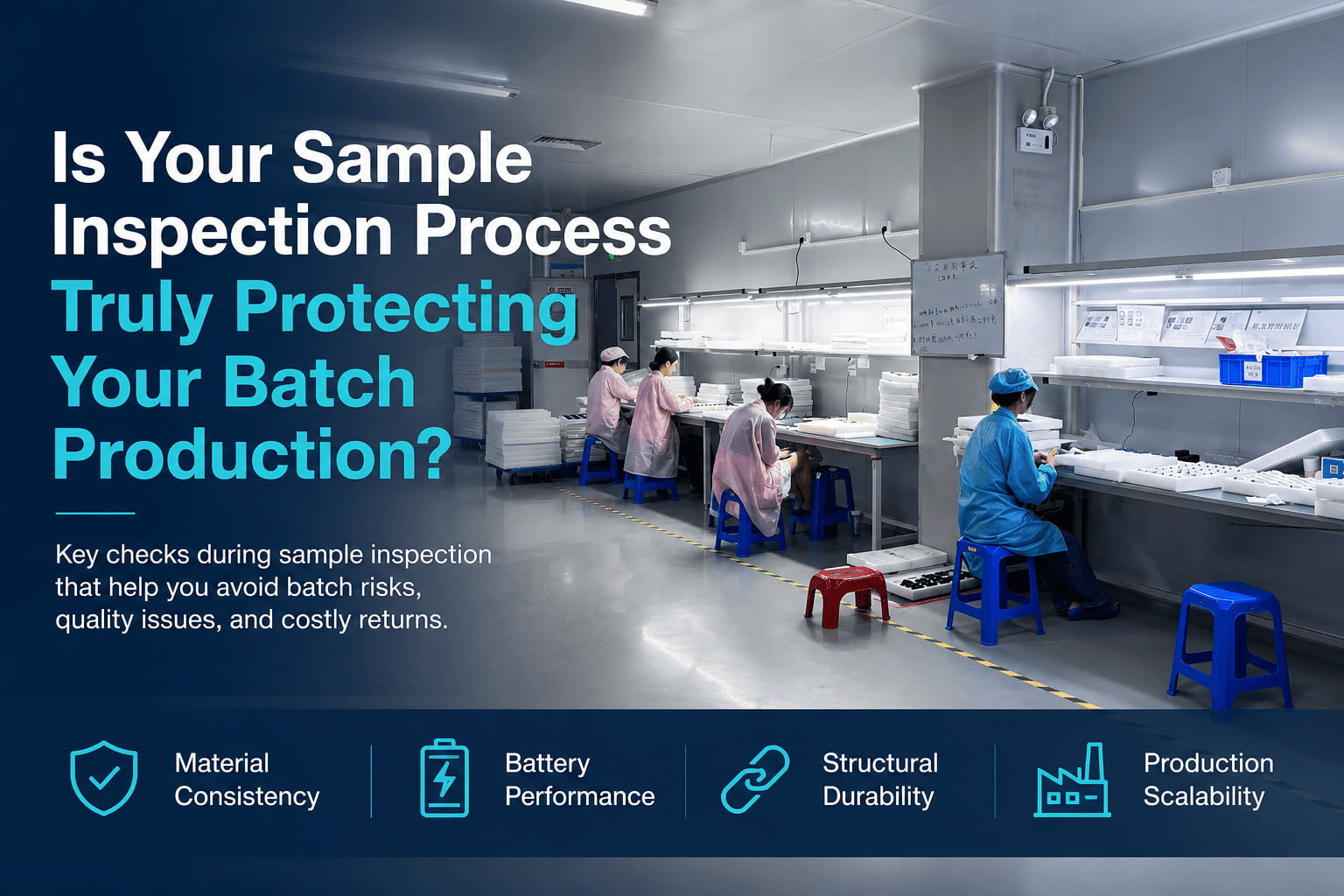
Is Your Sample Inspection Process Truly Protecting Your Batch Production?
Problem: Many procurement failures start right at the sample approval stage. Agitate: Just checking if the sound works isn't enough; it leaves you open to huge batch production risks. Solve: This guide helps you conduct sample inspections that truly audit for potential issues before they become expensive liabilities.
The most effective sample inspection goes beyond basic functionality; it acts as a critical risk audit, identifying potential material substitutions, structural weaknesses, and production inconsistencies that could plague your entire batch, ensuring supplier capability to replicate quality at scale.
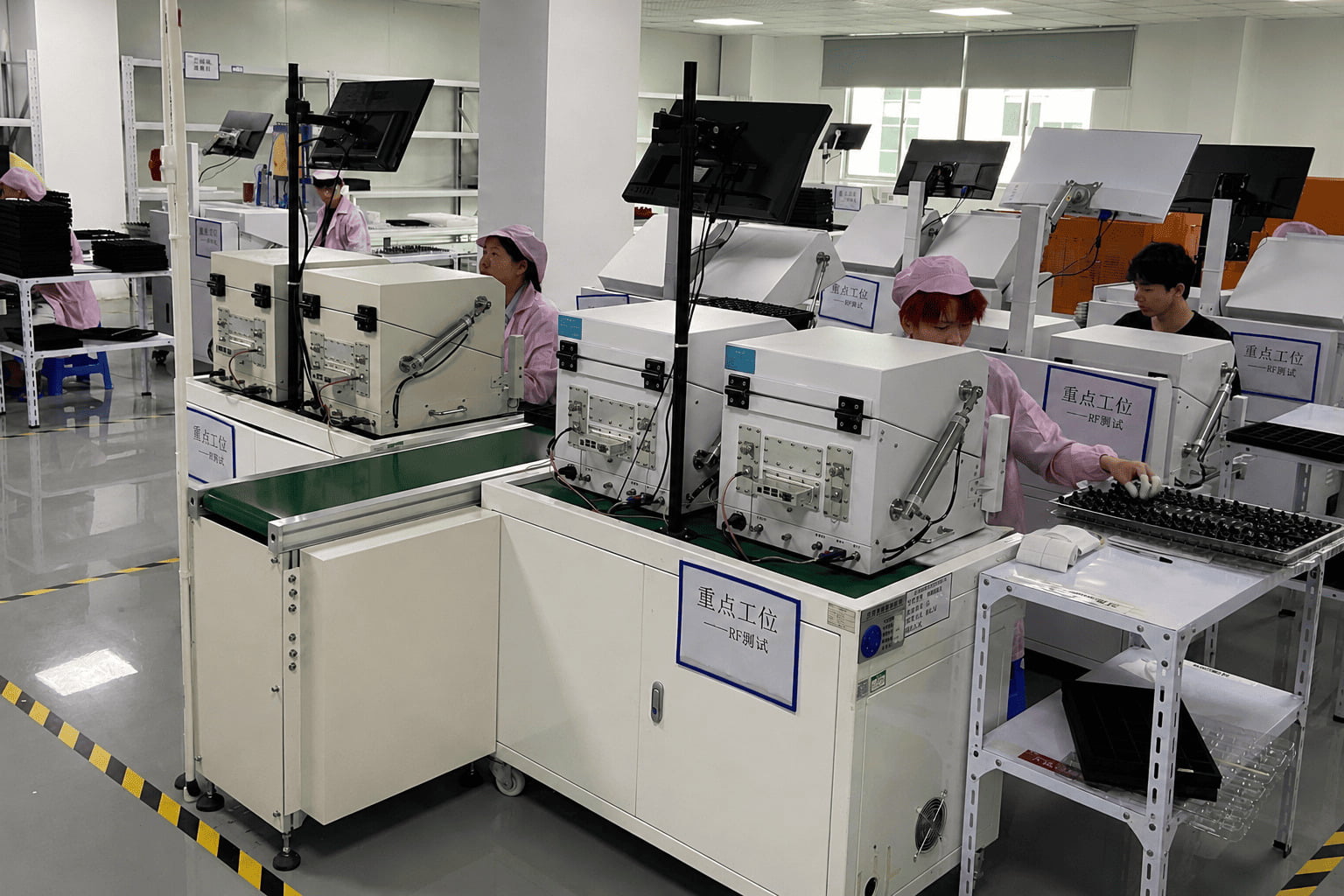
My experience shows that the sample stage is where you truly set the quality standard for your future product. It is where you prevent problems, not just find them. Let us look at how to make sure your sample inspection truly protects your large orders.
Why Do Most Sample Approvals Miss Critical Batch Risks?
Problem: Many clients approve samples too quickly, focusing only on basic functionality. Agitate: This oversight is a major cause of later batch production failures and costly rework. Solve: We need to understand that samples are for validating the entire production process, not just the product idea.
Most sample approvals miss critical batch risks because they focus on initial product functionality rather than the supplier's consistent ability to reproduce that quality at scale, overlooking material consistency, component traceability, and long-term durability.
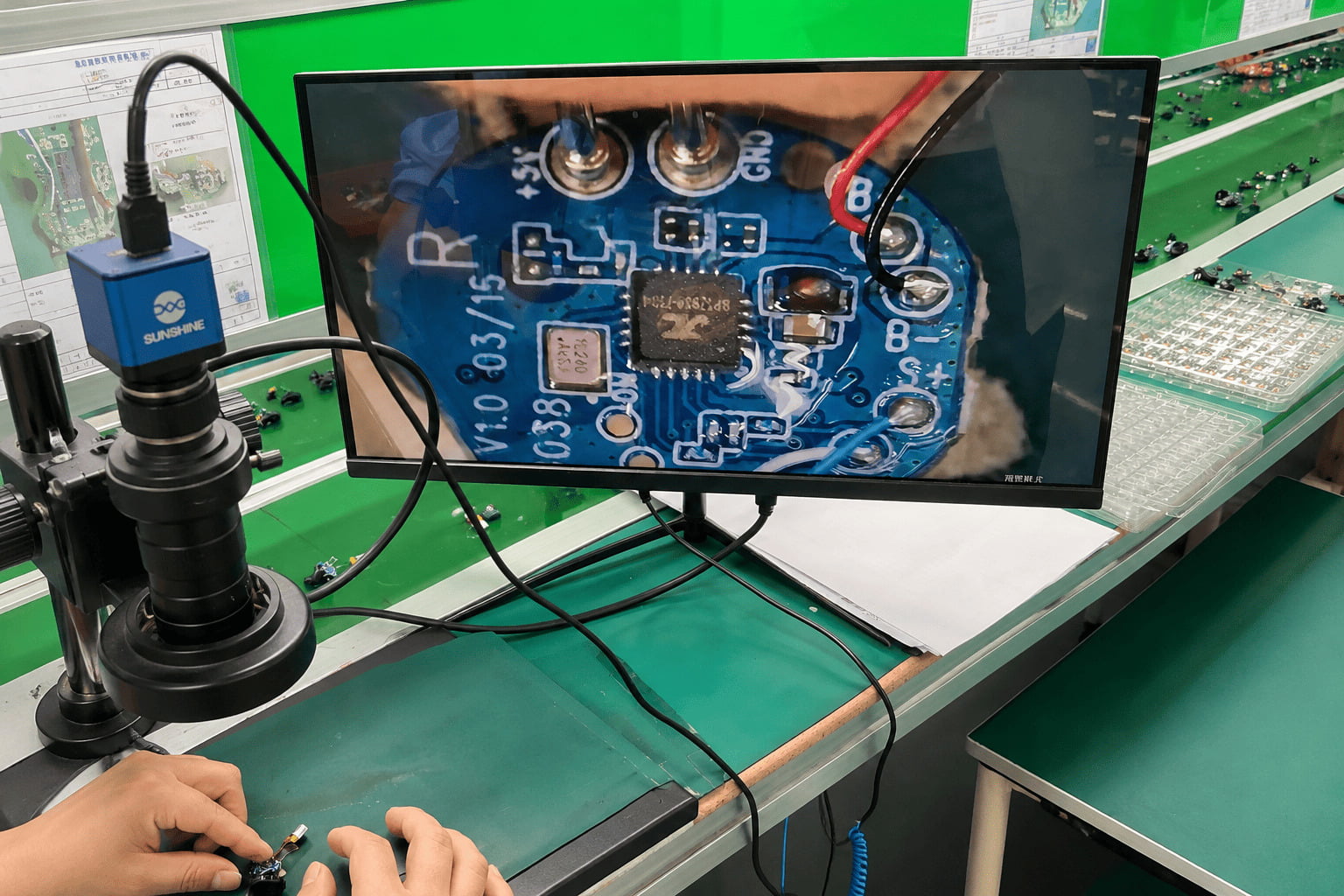
Dive deeper: My experience as a project coordinator reveals a common misunderstanding: many clients treat sample approval as a simple "does it work?" test. They plug in the earphones, listen for a moment, and if the sound is acceptable, they give the green light. This "sound works fine" statement is one of the most dangerous things I hear. It completely ignores the complexities of mass production. A sample might be hand-assembled with premium components, but that does not mean a batch of thousands will use the same materials or be assembled with the same care.
A crucial aspect of sample inspection is to confirm the supplier's process capability.1 Can their production line replicate the sample’s quality consistently? We need to look at elements that hint at batch production risks. For example, if a sample's plastic casing feels solid and smooth, but the supplier plans to use a cheaper, recycled plastic for batch production, this will lead to a weaker, more brittle product2 that breaks easily. If the client did not check the material specifications beyond "looks good," they would only find this out after receiving thousands of units. In projects we have handled, issues like slight color variations or minor burrs on a sample were often red flags for inconsistencies that would only worsen during high-volume manufacturing.
Here is a simple way to think about it:
| Inspection Focus | Batch Production Risk |
|---|---|
| Basic Functionality | Assumes consistency; ignores material swaps |
| Material Verification | Ensures consistent quality & durability |
| Structural Integrity | Prevents failures from wear and tear |
| Production Process | Checks supplier's ability to scale quality |
Clients who skip these deeper checks during sampling often discover structural problems, wear issues, or inconsistent audio only after batch delivery. At that point, fixes are expensive, trust is broken, and deadlines are missed.
How Can You Spot Hidden Material Substitutions in Samples?
Problem: Suppliers might use cheaper materials in batch production to cut costs, even if the sample looked great. Agitate: This impacts product quality, durability, and customer satisfaction negatively. Solve: You need specific strategies to identify these critical changes during sample inspection.
To spot hidden material substitutions in samples, you must look beyond surface appearance, carefully compare material specifications against the Bill of Materials (BOM), perform tactile and weight comparisons, and understand the supplier's material sourcing and quality control processes.
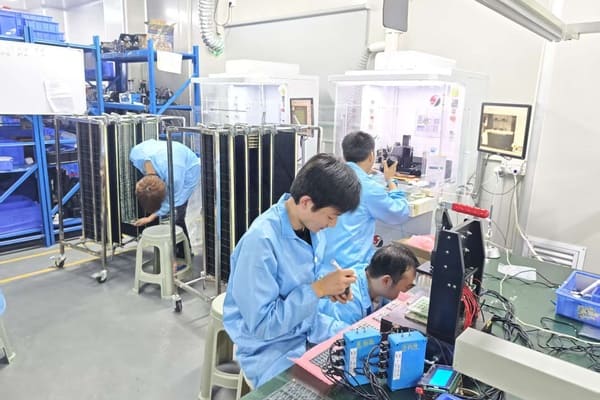
Dive deeper: Identifying material substitutions is harder than it seems because many differences are not immediately obvious. My experience shows that a sample can feel robust because it uses a specific grade of ABS plastic, while the batch might silently switch to a lower-grade, less durable plastic that costs less. The visual difference might be minimal, but the long-term impact on durability is significant. The "sound works fine" approach totally misses this.
When I coordinate projects, I guide clients to look closely at the texture, weight, and finish of the sample parts. Does the plastic feel as dense as expected? Is the paint finish consistent and resistant to scratches? This is especially important for parts like earbud casings, charging cases, and cable insulation. We also insist on verifying the Bill of Materials (BOM) for each sample. Does the BOM specify the exact grade or type of plastic, metal, or coating? We encourage clients to request material data sheets for critical components to compare against the sample and expected batch production. For instance, a common conflict arises when a sample uses a premium soft-touch coating that feels great, but the batch uses a cheaper alternative that quickly becomes sticky or peels off. This is a direct material substitution risk.
Consider these critical points:
| Inspection Point | What to Check | Batch Risk Mitigated |
|---|---|---|
| Material BOM Review | Exact grades, manufacturers, certifications | Prevents lower-cost, inferior material swaps |
| Tactile Comparison | Texture, rigidity, finish feel | Detects subtle changes in plastic/metal quality |
| Weight Analysis | Compare sample weight to expected spec | Identifies use of lighter, weaker materials |
| Supplier Sourcing | Ask about material supplier approval process | Ensures consistent material quality for batch |
In client projects we have handled, overlooking these details has led to situations where entire shipments were rejected due to unacceptable product feel or premature wear, simply because a material unseen by the client was swapped.
Is Your Sample's Battery Performance Truly Representative of Batch?
Problem: A sample's battery performance can be misleading; it might not reflect the quality of batteries in your bulk order. Agitate: Inconsistent battery life in batch production leads to unhappy customers and high return rates. Solve: You must verify battery performance and supplier consistency beyond a simple test.
Your sample's battery performance is truly representative of the batch only if you rigorously evaluate not just its initial charge and discharge cycles, but also the supplier's battery sourcing, internal quality control processes, and commitment to consistent cell quality across all production units.
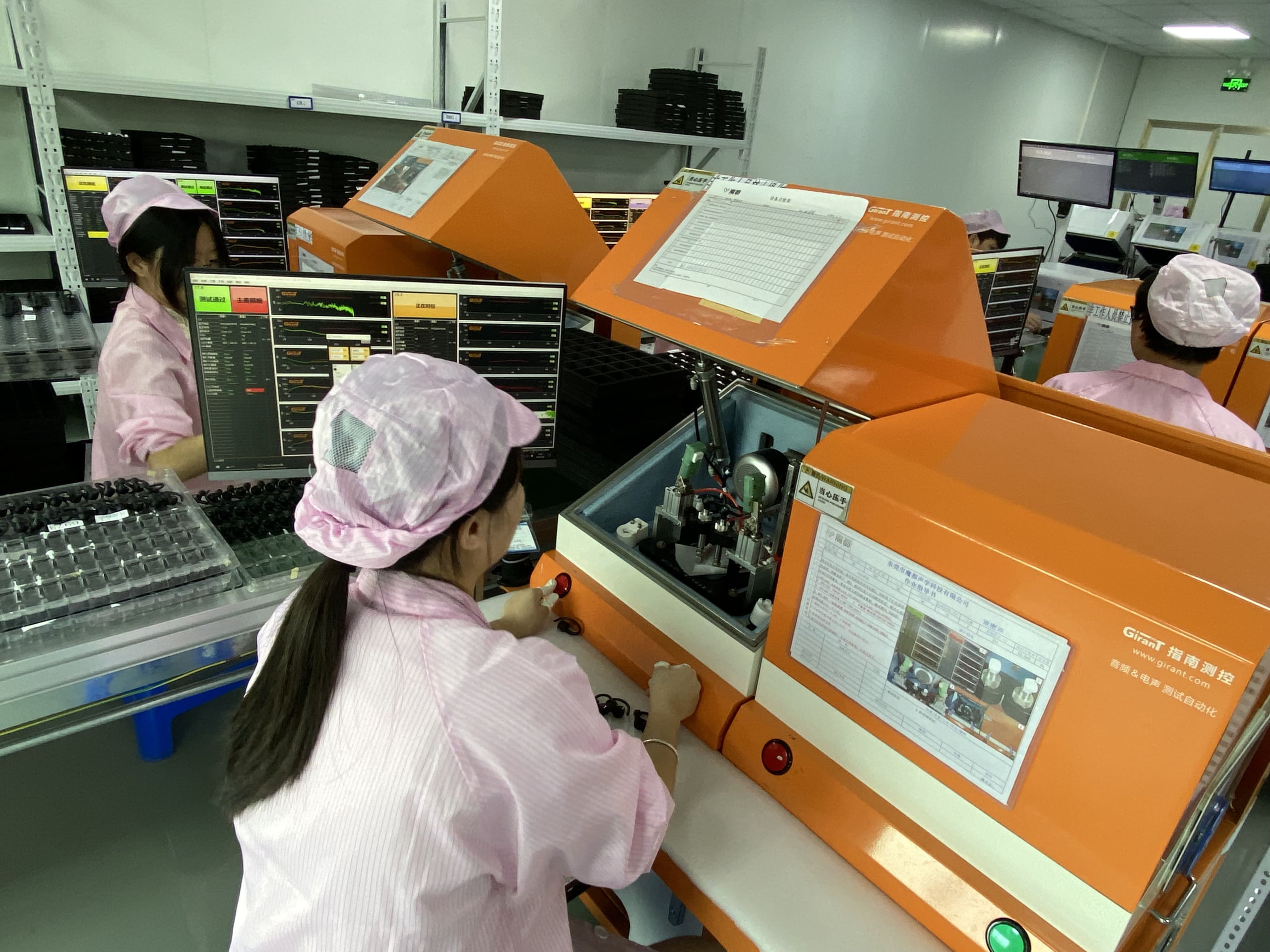
Dive deeper: Battery performance is a critical factor for Bluetooth earphones, and it is a common area for batch quality drift. A sample might perform excellently, giving 8 hours of playback, but if the supplier uses inconsistent battery cells for mass production, you could end up with half your batch only lasting 5 hours.3 My experience shows that this inconsistency often stems from suppliers purchasing cheaper, lower-grade battery cells for large orders, even if the sample used a premium cell. The procurement team needs to understand that a single battery's performance is not a guarantee for tens of thousands of units.
When evaluating a sample's battery, it is not enough to just time how long it lasts. We need to look deeper into the supplier's process for battery procurement and testing. Does the supplier have clear specifications for battery cells? Do they conduct their own incoming quality control for battery batches? Are there discharge curve tests performed on a percentage of the cells? A sample can show a strong initial charge, but what about its performance after 50 or 100 charge cycles?4 This is where long-term degradation becomes a major concern. Without asking these tough questions, clients risk severe battery-related issues in their final product. For example, in client projects we have handled, slight inconsistencies in sample charging time sometimes indicated a lack of uniform battery cell quality, which later manifested as significant variations in actual battery life across the batch.
Key battery inspection points for batch reliability:
| Inspection Point | What to Confirm | Batch Risk Mitigated |
|---|---|---|
| Battery Cell Source | Specified brand, model, and supplier approval | Prevents use of unknown or low-quality cells |
| Discharge Curve Test | Consistent performance over time, not just initial | Ensures consistent real-world usage time |
| Cycle Life Data | Manufacturer's rating for charge/discharge cycles | Predicts long-term battery degradation and lifespan |
| Supplier QC Process | Incoming inspection, batch testing protocols | Guarantees consistency across all manufactured units |
Ignoring these critical battery aspects during sampling can lead to a batch of earphones with unpredictable battery life, high customer dissatisfaction, and warranty claims.
How Do You Verify Structural Durability and Wear Resistance from a Sample?
Problem: Your sample might feel solid, but it does not mean your bulk order will withstand daily use and wear. Agitate: Fragile products in a batch lead to quick breakage, negative reviews, and expensive product returns. Solve: You need to perform specific structural and wear resistance checks on samples to predict batch resilience.
You verify structural durability and wear resistance from a sample by systematically testing its weakest points, assessing material flexibility and joint integrity, and evaluating the supplier's in-house testing protocols for physical stress, drop resistance, and repeated use scenarios to ensure batch consistency.

Dive deeper: Structural durability is often overlooked during sample checks. A sample is just one unit, and it might have been handled with extreme care. The real test is how thousands of units from the batch will survive shipping, daily use, and accidental drops. My experience highlights that what feels sturdy in one sample can become brittle or loose in a mass-produced batch due to variations in material quality, assembly precision, or even minor changes in the molding process. Clients often focus on the aesthetic, but the internal structure and stress points are what matter most for longevity.
I always advise clients to pay close attention to areas like hinges, connection points, cable entries, and earbud stems. These are common failure points.5 Does the headband flex without feeling like it will snap?6 Do the earbuds fit snugly into the charging case without excessive force, yet remain secure? We also examine how well components are isolated and secured. If parts feel loose or rattle slightly in the sample, this indicates a potential for them to completely detach or break during batch assembly or customer use. For example, in client projects we have handled, ignoring a slight looseness in the sample's charging port sometimes led to ports detaching from the circuit board in mass-produced units. This issue was not about "sound works fine" but about fundamental physical integrity.
Here is a look at crucial structural and wear checks:
| Inspection Area | What to Test/Evaluate | Batch Risk Mitigated |
|---|---|---|
| Hinge/Joint Strength | Gentle flex tests, repeated opening/closing | Prevents hinge breakage, loose parts |
| Cable Entry Points | Light tugs, bend resistance (if applicable) | Reduces cable fraying, internal wire damage |
| Charging Port Durability | Repeated plug-in/pull-out tests (manual) | Prevents port detachment, charging failures |
| Material Surface | Scratch tests (light), wipe tests | Ensures consistent finish, prevents premature wear |
| Drop Resistance | Simulated low-height drops (if supplier allows)7 | Predicts general impact durability |
These checks help predict whether the product will withstand the rigors of everyday life, ensuring that your batch goods do not fall apart before their time.
Are Your Samples Confirming the Supplier's Production Scalability?
Problem: A perfect sample made by hand or with extra care does not guarantee perfect mass production. Agitate: Scaling up can introduce new quality control issues, leading to an inconsistent or flawed batch. Solve: Use samples to assess if your supplier can maintain quality at a higher volume.
Your samples confirm the supplier's production scalability if they demonstrate consistent quality in areas affected by automation and process repetition, allowing you to evaluate the factory's ability to transition from a single prototype to large-volume manufacturing without compromising product integrity.
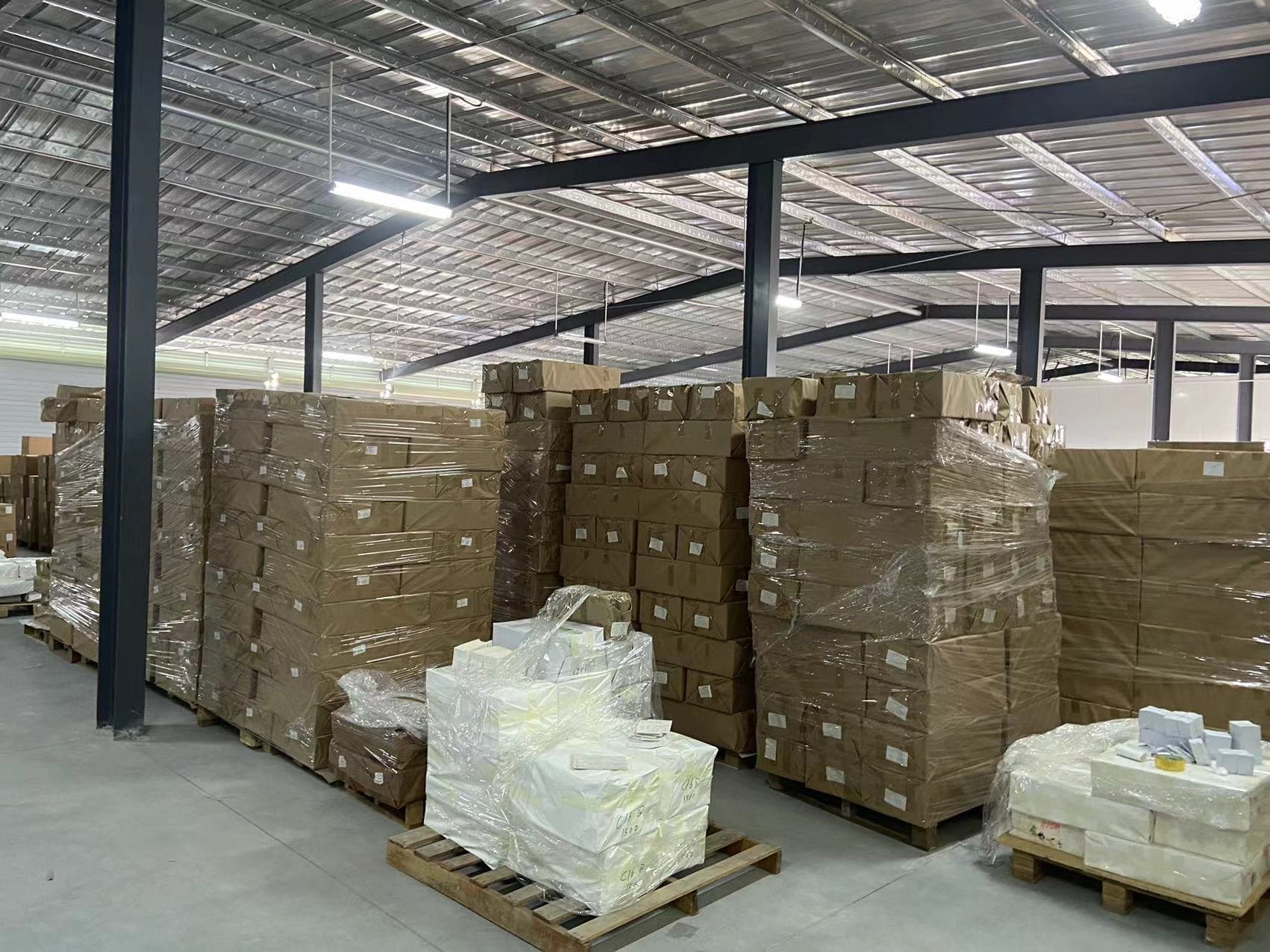
Dive deeper: This is perhaps the most strategic aspect of sample inspection. A sample is often produced in a low-volume setting, sometimes even hand-finished.8 But when a supplier moves to mass production, they rely on automated processes, assembly lines, and numerous operators. My experience has shown that inconsistencies in a sample's finish, minor alignment issues, or slight variations in component fit can be magnified exponentially in a large batch9. The question is not just "is this sample good?" but "can the factory make thousands of these, all just as good?"
When I work with clients, we use the sample to gauge the supplier's overall production readiness. We consider things like the precision of the molding, the cleanliness of the assembly, and the uniformity of the finishes. Are there any indications that parts were forced or hastily assembled? Is the product packaging uniform and robust? These subtle signs in a sample can tell you a lot about the factory's tooling quality, its quality control at each assembly station, and the training of its workforce. For instance, if a sample has perfectly consistent button clicks, it suggests good assembly jigs and trained operators10, which is a positive sign for batch consistency. However, if some buttons feel mushy or stick, it indicates potential variability in the assembly process that will worsen with scale. My experience in client projects highlights how seemingly minor imperfections in a sample, such as inconsistent gaps between casing parts, almost always point to tooling issues11 that will become major quality defects across a large production run.
Key indicators of production scalability from a sample:
| Inspection Aspect | What to Look For | Batch Risk Mitigated |
|---|---|---|
| Assembly Precision | Uniform gaps, flush joints, component alignment | Prevents loose parts, poor fit in batch |
| Surface Finish | Consistent texture, color, absence of flaws | Ensures cosmetic quality across all units |
| Button/Port Feel | Uniform tactile feedback, consistent resistance | Avoids inconsistent user experience, functional failures |
| Packaging Quality | Sample packaging reflects mass production standards | Prevents shipping damage, poor unboxing experience |
| Internal QC Markers | Any indications of internal inspection stamps or checks | Suggests a structured approach to quality control |
By critically examining these details, you use the sample not just as a product preview but as an audit of the supplier's capability to deliver consistent quality at scale.
Conclusion
A sample is more than just a preview; it is your crucial opportunity to audit potential batch production risks. Focus on material consistency, battery degradation, structural durability, and production scalability to truly protect your investment.
"Process Capability | Quality-One", https://quality-one.com/process-capability/. Process capability refers to a supplier's ability to consistently produce products within specified tolerances, a fundamental metric in statistical quality control used to predict manufacturing consistency. Evidence role: definition; source type: encyclopedia. Supports: the concept and importance of process capability in manufacturing quality assessment. Scope note: This supports the general concept of process capability but does not specifically address sample inspection contexts. ↩
"Thermomechanical Properties of Virgin and Recycled ... - PMC - NIH", https://pmc.ncbi.nlm.nih.gov/articles/PMC10647352/. Research on polymer recycling demonstrates that repeated thermal processing can reduce molecular weight and impact strength in thermoplastics, though the degree of degradation varies significantly with polymer type, processing conditions, and contamination levels. Evidence role: mechanism; source type: paper. Supports: the mechanical degradation that occurs in recycled plastics compared to virgin materials. Scope note: The extent of property degradation depends on specific recycling methods and plastic grades, not all recycled plastics are necessarily inferior. ↩
"Lithium Battery Consistency: A Deep Dive", https://www.bonnenbatteries.com/lithium-battery-consistency-a-deep-dive/. Studies on lithium-ion battery manufacturing show that cell-to-cell variations in capacity, internal resistance, and degradation rates can occur due to manufacturing tolerances, with variations typically ranging from 2-5% in controlled production environments. Evidence role: general_support; source type: research. Supports: the existence of cell-to-cell variation in battery manufacturing and its impact on performance. Scope note: Research documents typical variation ranges in controlled settings; the 37.5% performance drop cited (8 hours to 5 hours) would represent unusually poor quality control rather than normal manufacturing variation. ↩
"[PDF] Energy Efficiency Battery Charger System Test Procedure", https://www.energy.ca.gov/sites/default/files/2021-05/BatteryChargerSystemTestProcedure_V2_2_ADA.pdf. International standards such as IEC 61960 specify cycle life testing protocols for lithium-ion batteries, typically evaluating capacity retention after hundreds of charge-discharge cycles to assess long-term performance and degradation characteristics. Evidence role: expert_consensus; source type: institution. Supports: the use of cycle life testing as a standard battery quality metric. ↩
"Failure of electronic components - Wikipedia", https://en.wikipedia.org/wiki/Failure_of_electronic_components. Reliability engineering research identifies mechanical interfaces, flex points, and connector assemblies as high-stress areas prone to failure in portable electronic devices due to repeated mechanical loading, environmental exposure, and material fatigue. Evidence role: general_support; source type: research. Supports: mechanical stress points as common failure locations in consumer electronics. Scope note: This supports the general principle of mechanical failure at stress points but does not specifically enumerate the exact components mentioned for audio devices. ↩
"Regulatory Flexibility Act Review: Testing and Labeling Regulations ...", https://www.regulations.gov/document/CPSC-2020-0019-0001. Standards organizations such as ASTM International provide test methods for evaluating the flexural properties and fatigue resistance of materials and assembled products, though standardized protocols typically use controlled equipment rather than manual assessment. Evidence role: general_support; source type: institution. Supports: the use of flex and bend testing in evaluating product durability. Scope note: Formal testing standards use instrumented methods; the manual flex test described is a qualitative field assessment rather than a standardized measurement. ↩
"Drop Test Standards for Consumer Electronics", https://www.ascend-tech.com/blog/drop-test-standards-for-consumer-electronics. Drop testing is a standard evaluation method in consumer electronics, with specifications such as IEC 60068-2-31 and MIL-STD-810 defining controlled drop test procedures to assess a product's ability to withstand mechanical shock from handling and accidental impacts. Evidence role: expert_consensus; source type: institution. Supports: drop testing as an established method for evaluating product durability. ↩
"Prototype vs Production: 5 Crucial Differences in Manufacturing", https://www.ideatolife.com.au/post/prototype-vs-production. Manufacturing engineering literature distinguishes between prototype/pilot production, which often involves manual assembly and individual attention to quality, and mass production, which relies on automated processes, tooling, and statistical process control to maintain consistency across large volumes. Evidence role: general_support; source type: education. Supports: the distinction between low-volume prototype production and high-volume manufacturing processes. ↩
"Batch production prediction for the mechanical cutting industry ...", https://pmc.ncbi.nlm.nih.gov/articles/PMC11316087/. Manufacturing quality control principles demonstrate that uncontrolled process variation tends to increase with production volume due to factors such as tool wear, operator variability, material lot changes, and environmental fluctuations, making early detection of process capability issues critical. Evidence role: mechanism; source type: education. Supports: how process variation increases with production volume. Scope note: The term 'exponentially' may overstate the relationship; variation typically increases but not necessarily in an exponential mathematical relationship. ↩
"PROCESS CAPABILITY: Explaining Cp, Cpk, Pp, Ppk and HOW TO ...", https://www.rit.edu/advancedmanufacturing/industry40/course/process-capability-explaining-cp-cpk-pp-ppk-and-how-interpret-those-results. Manufacturing quality engineering recognizes that consistent product characteristics, including tactile properties, result from controlled assembly processes involving proper fixturing, tooling, and operator training, though multiple factors including component tolerances and material properties also contribute. Evidence role: general_support; source type: education. Supports: the relationship between manufacturing process control and product consistency. Scope note: Consistent tactile feedback is an indicator but not definitive proof of overall process quality, as it represents only one aspect of product assembly. ↩
"11 Common Injection Molding Defects and How to Prevent Them", https://www.intouch-quality.com/blog/injection-molding-defects-and-how-to-prevent. Manufacturing engineering identifies tooling wear, improper tool design, and inadequate process parameters as common causes of dimensional variation in molded and assembled parts, though other factors such as material properties, processing conditions, and assembly methods can also contribute to gap inconsistencies. Evidence role: mechanism; source type: education. Supports: the relationship between dimensional inconsistencies and tooling quality in manufacturing. Scope note: While tooling is a frequent cause of dimensional variation, the claim that gaps 'almost always' indicate tooling issues overstates the diagnostic certainty, as multiple factors can produce similar symptoms. ↩