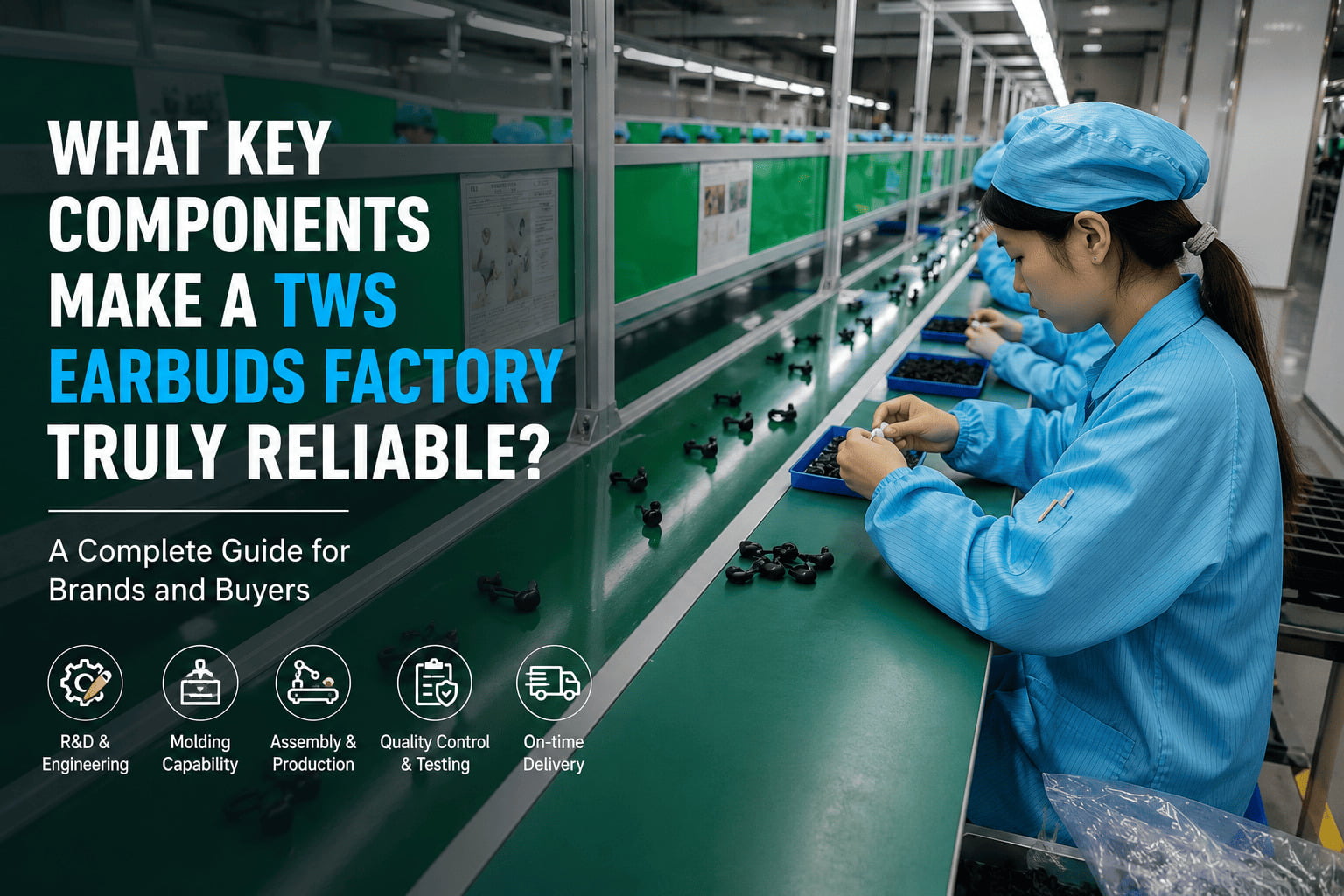
What Key Components Make a TWS Earbuds Factory Truly Reliable?
Finding a reliable TWS earbuds1 OEM/ODM partner is hard. Many factories claim full capability. But how do you really know if they can deliver? Without true insight, you risk delays, quality issues, and higher costs. Understanding the right factory components changes everything.
A truly reliable TWS earbuds factory controls key processes like R&D, molding, assembly, and quality control. This control ensures product consistency, customization feasibility, and on-time delivery, even if some steps are outsourced with clear management and oversight.
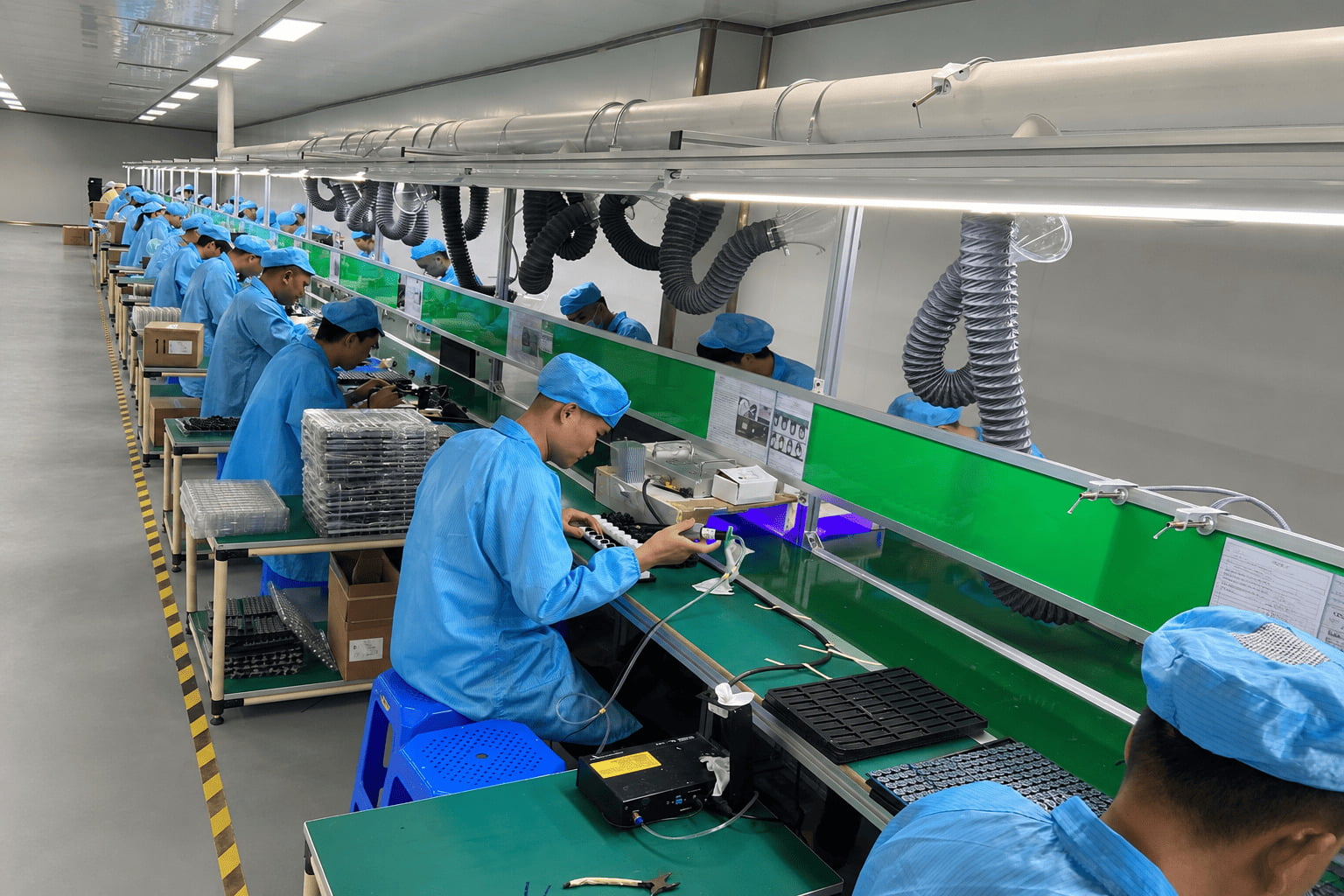
When we talk about a TWS earbuds factory, it is easy to picture production lines and machines. But I have learned that the real value for buyers like you lies deeper. It is about how a factory manages the creation of your products, not just what equipment they own. Let us look at what truly matters.
Does a Factory's R&D and Engineering Team Shape My Customization Success?
You have a unique vision for your TWS earbuds. But can your factory translate that into a real product? Many struggle to move from concept to mass production. Poor engineering can lead to endless revisions, costly delays, and a product that never quite meets your vision. A strong R&D and engineering team is your blueprint for success.
A factory's R&D and engineering team is crucial for successful TWS earbuds customization. They ensure your product vision becomes a manufacturable reality, covering ID design, acoustic tuning2, and structural integrity, managing risks from concept to final production.
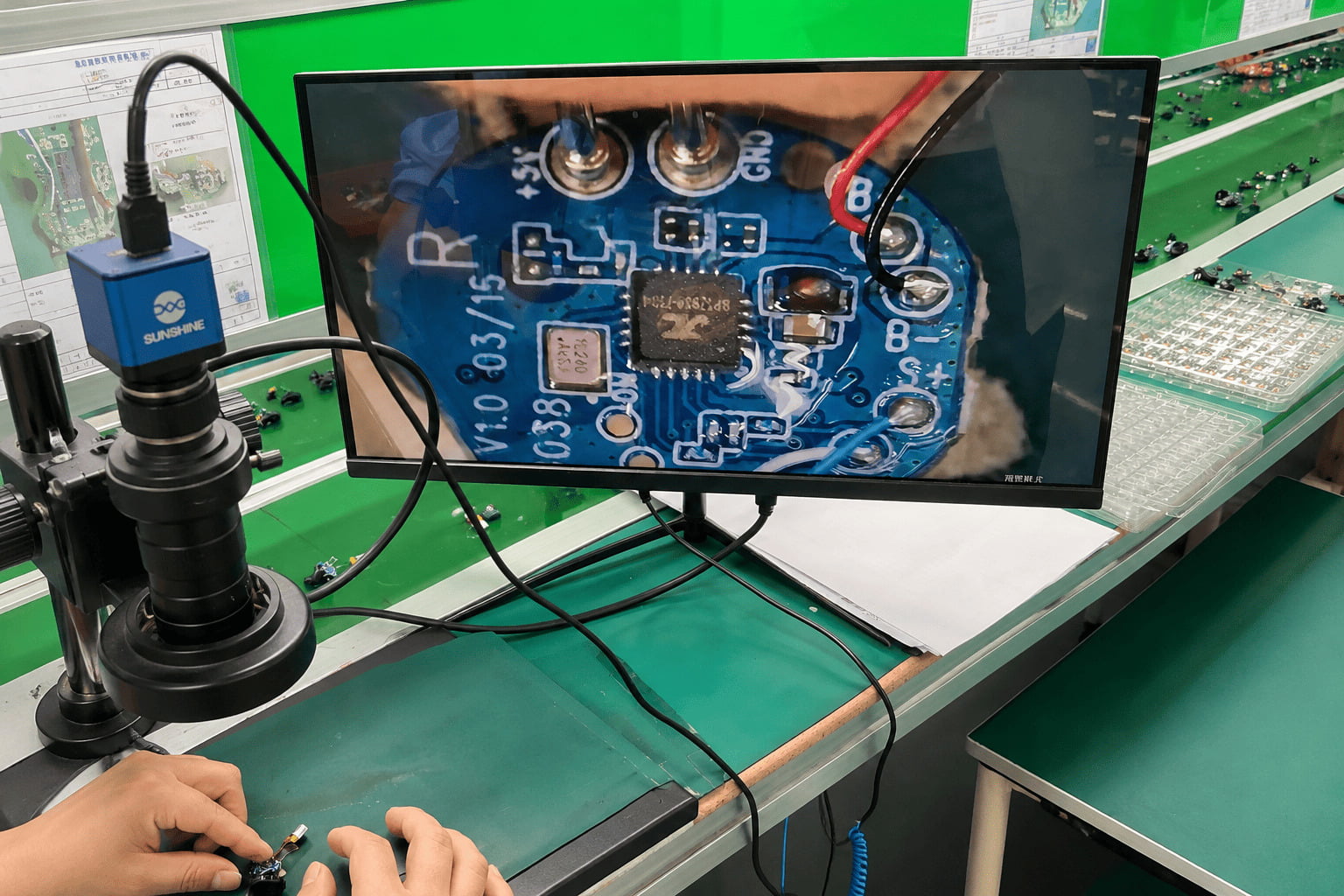
From our experience, the R&D and engineering department is not just about drawing new designs. It is the core for turning your concept into a real, manufacturable product. This team acts as your primary risk-control checkpoint. They answer the critical buyer question: "Can this supplier take my requirements and turn them into repeatable, shippable products?" This involves many steps. First, they clarify your exact requirements, translating market needs into technical specifications. This includes industrial design (ID) and structural review, ensuring the product looks good and is physically robust. Then, they guide sample development and perform engineering verification tests (EVT)3. Our team, with over 15 years of experience, focuses on making sure the initial design is not only innovative but also practical for mass production. They select critical components, like Bluetooth chipsets4, lithium batteries, and drivers, ensuring they meet performance and cost targets. They also perform Design for Manufacturability (DFM)5 reviews early on. This prevents costly issues later in the production cycle. Without this strong engineering foundation, customization becomes a gamble. It is easy for a project to face delays or cost overruns. This is why we focus heavily on clear communication and solid engineering validation at each stage. It minimizes risks for your project and ensures your vision is delivered efficiently.
| R&D Phase | Buyer Benefit |
|---|---|
| Requirement Clarification | Ensures product matches market needs. |
| ID/Structure Review | Confirms aesthetic appeal and physical durability. |
| Sample Development | Provides tangible prototypes for approval. |
| DFM Analysis | Reduces future production issues and costs. |
How Does Molding Capability Impact Product Quality and Cost?
The physical shell of TWS earbuds seems simple, but it defines feel and fit. Bad molding leads to poor assembly and an inferior product. Small imperfections from poor molds cause major quality problems, increasing returns and damaging your brand image. Strong molding capability means precision, consistency, and better overall product quality.
Molding capability is vital for TWS earbuds, directly affecting fit, finish, and structural integrity. In-house or expertly managed outsourced molding ensures precise components, reduces assembly issues, and controls production costs and timelines for consistent quality.
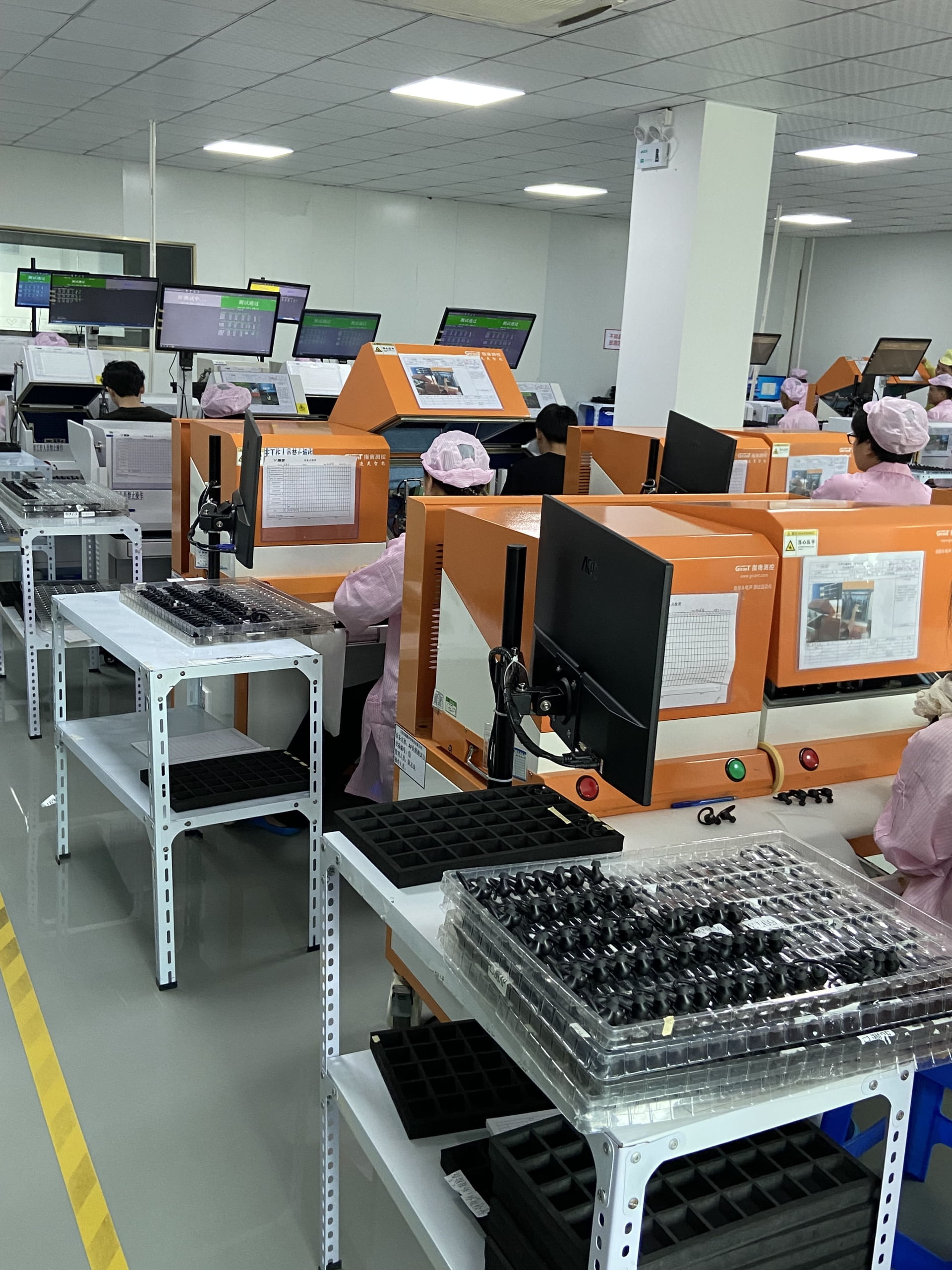
Molding capability is a silent hero in TWS earbud manufacturing. It is another critical risk-control checkpoint that buyers often overlook. The quality of the earbud housing directly impacts acoustic performance, comfort, and even water resistance6. Whether a factory has in-house molding, like our 30+ injection molding machines, or manages outsourced partners, the key is control. This control means strict oversight of specifications, material selection, and rigorous quality checks for each mold. If we use external partners, we ensure they meet our high standards for precision and material quality. We closely manage their accountability and timelines. This approach ensures consistent product quality and predictable delivery. Poor molding can cause many problems. It can lead to parts that do not fit well during assembly, causing delays. It can also create visible flaws, affecting the product's finish and perceived quality. These issues translate directly into higher defect rates and increased after-sales costs for you. A factory with strong molding capability can guarantee tight tolerances7. This is essential for a good seal, which affects both sound quality and noise cancellation. Our in-house capability gives us better cost control and flexibility. This means faster adjustments and quicker responses to design changes, without relying on external schedules.
| Molding Approach | Benefit | Risk if Poorly Managed |
|---|---|---|
| In-house (Controlled) | Cost control, flexibility, faster changes | High initial investment for factory |
| Outsourced (Managed) | Lower fixed costs, access to specialized skills | Need strong oversight and supplier management |
Why Is Assembly and Production Line Management So Important for Consistency?
Even with great components, TWS earbuds need perfect assembly. Rushed or poorly managed lines create inconsistent products. Inconsistent products mean unpredictable performance, higher defect rates, and frustrated customers. Your brand suffers. A well-managed assembly process ensures every earbud meets your standards.
Effective assembly and production line management are critical for consistent TWS earbuds quality. It involves precise SMT, automation, and skilled labor, ensuring each unit meets design specifications and passes rigorous checks to minimize defects and optimize output.
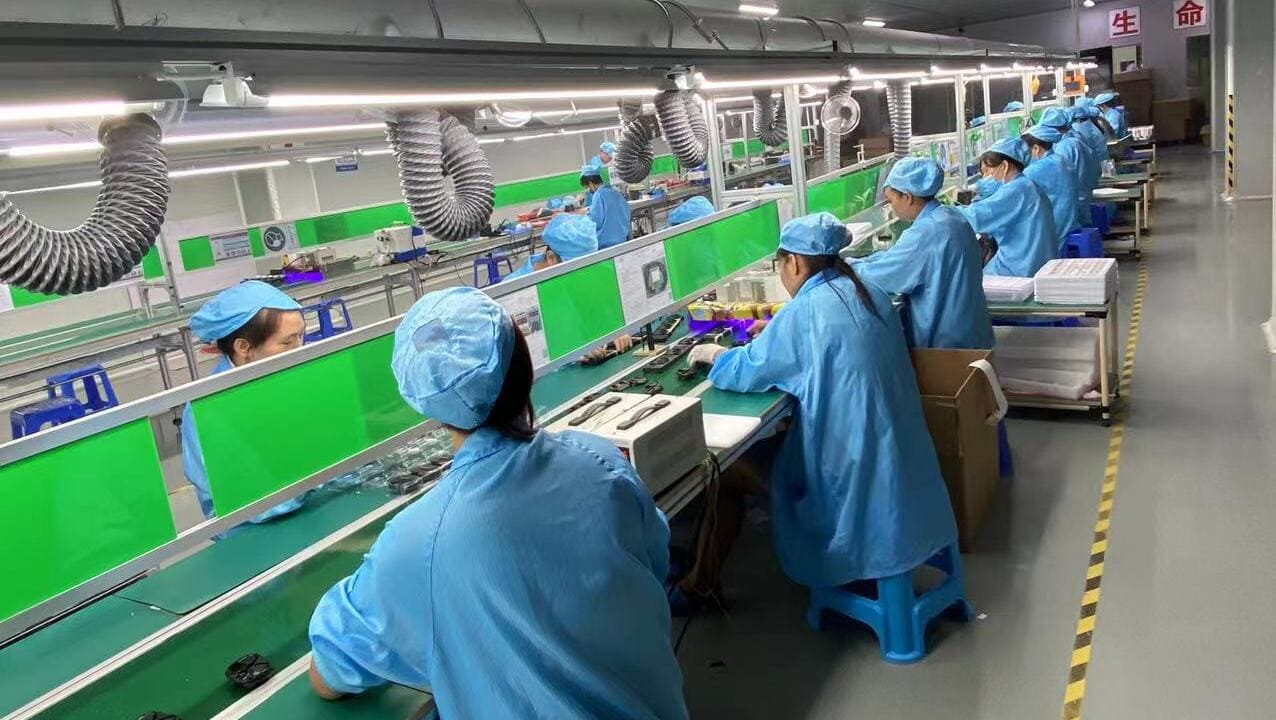
Having production lines is one thing; managing them effectively is another. From my experience, a true OEM/ODM partner demonstrates its capability through systematic production planning, process control, and continuous quality feedback loops. We operate 13 production lines under an ISO 9001 quality management system8. This is not just for show. It means we have established procedures for every step. It ensures each TWS earbud is assembled with precision and consistency. This includes Surface Mount Technology (SMT)9 for placing tiny components, precision molding for housing parts, and automated testing stations. These steps integrate to build your product. Our production lines are designed for efficiency and quality. This directly relates to your commercial outcomes. Good line management means stable delivery times. It reduces the risk of production delays. It also guarantees product consistency. Every earbud coming off the line should perform the same. This minimizes defect rates and lowers your after-sales costs. Our experienced QC team, with over five years of experience per line, closely monitors the assembly process. They identify issues early. This prevents problems from scaling up. A well-managed line is a repeatable process. It ensures that turning your requirements into a shippable product is done consistently every time.
| Aspect of Line Management | Impact on Buyer Project |
|---|---|
| Production Planning | Ensures on-time delivery and efficient resource use. |
| Process Control | Guarantees consistent product quality and performance. |
| Automated Testing | Reduces human error and increases detection of defects. |
| QC Feedback Loops | Allows quick correction of issues, improving yield. |
How Does Quality Control and Testing Protect My Brand and Reduce Risk?
You need TWS earbuds that work every time. Without rigorous QC, faulty products reach your customers. Poor quality control leads to customer complaints, product returns, and significant damage to your brand reputation and bottom line. Comprehensive QC and testing are your final defense against risk.
Robust quality control and testing protect your brand by preventing faulty TWS earbuds from reaching the market. This includes incoming material inspection, in-process checks, and final product testing (audio, battery, connectivity, durability) to ensure consistent, reliable performance.
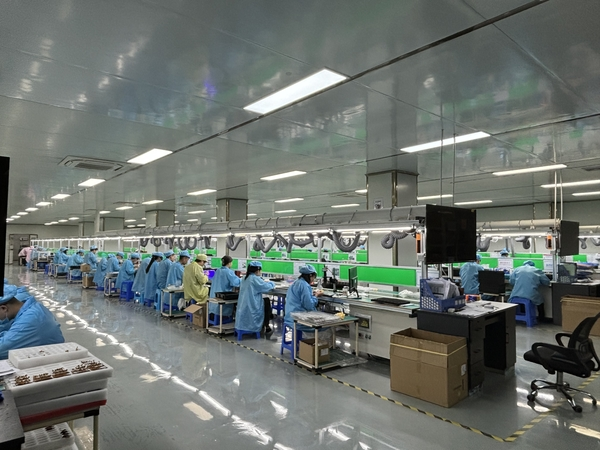
Quality Control (QC) and testing are the last, yet vital, risk-control checkpoints before your product ships. This is where we ensure everything meets your standards and international regulations. It is not just about a final check. It is a multi-layered process. First, we have strict incoming material inspection. This checks all components and raw materials against RoHS and REACH standards10. We do not want faulty parts entering production. Then, during assembly, our experienced QC team performs in-process checks on each line. They catch issues early. Finally, every finished earbud undergoes comprehensive testing. This includes audio performance, battery life, connectivity stability, and durability tests. We do 100% functional testing on all units. We also use ISO 2859 sampling11 for deeper quality audits. These steps directly affect your commercial outcomes. Strong QC reduces your defect rates significantly. This means lower after-sales service costs and fewer product returns. It also improves your supply reliability, because fewer products get rejected. Ultimately, it protects your brand reputation. Meeting international standards like CE, FCC, and RoHS12 also ensures your product can enter various markets without legal issues.
| QC Stage | Purpose | Buyer Benefit |
|---|---|---|
| Incoming Material Inspection | Ensures raw materials meet specifications. | Prevents early production defects. |
| In-Process QC | Checks quality at each assembly stage. | Reduces overall defect rate. |
| Final Product Testing | Verifies performance and functionality of finished goods. | Guarantees product reliability and performance. |
| Certifications (CE, FCC) | Ensures market compliance and safety standards. | Reduces market entry risks. |
Conclusion
A reliable TWS earbuds factory is not just equipment; it is about control over R&D, molding, assembly, and QC. This focused control ensures your customized products are consistent, delivered on time, and minimize risks for your brand.
"Headphones - Wikipedia", https://en.wikipedia.org/wiki/Headphones. True Wireless Stereo (TWS) earbuds represent a category of wireless audio devices that operate independently without physical connections between left and right units, utilizing Bluetooth technology for audio transmission. Evidence role: definition; source type: encyclopedia. Supports: the technical definition and market context of TWS earbuds as a product category. ↩
"Headphones: The process of their creation | Carlos' digital portafolio", https://cvthegreat.commons.gc.cuny.edu/headphones-the-process-of-their-creation/. Acoustic tuning involves adjusting physical and electronic parameters of audio devices to optimize frequency response, sound signature, and overall audio quality, requiring specialized engineering expertise and measurement equipment. Evidence role: definition; source type: education. Supports: the technical process and purpose of acoustic tuning in audio device development. ↩
"5.3 Product Verification - NASA", https://www.nasa.gov/reference/5-3-product-verification/. Engineering Verification Testing (EVT) is an early product development phase that validates whether a design meets functional and performance specifications, typically preceding Design Verification Testing (DVT) and Production Verification Testing (PVT). Evidence role: definition; source type: education. Supports: the definition and purpose of Engineering Verification Testing in product development. ↩
"Commonly Used TWS Audio Chipsets (ANC & ENC) - LinkedIn", https://www.linkedin.com/pulse/commonly-used-tws-audio-chipsets-anc-enc-ankit-soni-t10yc. Bluetooth chipsets in TWS earbuds manage wireless audio transmission, device pairing, and power consumption, with modern implementations supporting low-latency codecs and dual-channel streaming for independent left-right operation. Evidence role: mechanism; source type: education. Supports: the technical role and requirements of Bluetooth chipsets in TWS earbud functionality. Scope note: Specific chipset requirements vary based on target audio quality, battery life, and feature set. ↩
"Design for Manufacturing (DFM): A Complete Guide - DISHER", https://www.disher.com/blog/design-for-manufacturing/. Design for Manufacturability (DFM) is an engineering methodology that evaluates product designs for ease of manufacturing, identifying potential production issues during the design phase to reduce costs and improve quality. Evidence role: definition; source type: education. Supports: the definition and purpose of Design for Manufacturability as an engineering practice. Scope note: While DFM is widely recognized as beneficial, quantifying specific cost savings requires context-specific data. ↩
"IP Ratings: Headphones - RTINGS.com", https://www.rtings.com/headphones/learn/ip-ratings. Water resistance in earbuds is typically rated using the Ingress Protection (IP) standard, where precise housing seals, gasket placement, and component integration prevent moisture ingress, with common ratings ranging from IPX4 (splash resistant) to IPX7 (submersion resistant). Evidence role: definition; source type: institution. Supports: the standards and technical requirements for water resistance in consumer electronics. ↩
"Engineering Healthy Silence: Using Noise-Cancelling Headphones ...", https://illumin.usc.edu/engineering-healthy-silence-using-noise-cancelling-headphones-to-block-harmful-sound/. Precise dimensional tolerances in earbud housing and seal components are critical for maintaining consistent acoustic chambers and preventing sound leakage, which directly affects bass response and active noise cancellation effectiveness. Evidence role: mechanism; source type: education. Supports: the relationship between manufacturing tolerances and acoustic performance in earbuds. Scope note: Specific tolerance requirements depend on earbud design, driver size, and target acoustic performance. ↩
"ISO 9001:2015 - Quality management systems — Requirements", https://www.iso.org/standard/62085.html. ISO 9001 is an international standard that specifies requirements for quality management systems, including documented procedures, process control, and continuous improvement mechanisms in manufacturing operations. Evidence role: definition; source type: institution. Supports: the requirements and scope of ISO 9001 quality management certification. ↩
"Surface-mount technology - Wikipedia", https://en.wikipedia.org/wiki/Surface-mount_technology. Surface Mount Technology (SMT) is a method for mounting electronic components directly onto the surface of printed circuit boards, enabling higher component density and miniaturization compared to through-hole technology. Evidence role: definition; source type: encyclopedia. Supports: the definition and application of Surface Mount Technology in electronics manufacturing. ↩
"EU REACH - International Trade Administration", https://www.trade.gov/eu-reach. RoHS (Restriction of Hazardous Substances) restricts specific hazardous materials in electrical and electronic equipment, while REACH (Registration, Evaluation, Authorization and Restriction of Chemicals) regulates chemical substances in the European Union, both requiring compliance for market access. Evidence role: definition; source type: government. Supports: the regulatory scope and requirements of RoHS and REACH standards. ↩
"[PDF] ISO 2859-1 - UNT Chemistry", https://chemistry.unt.edu/~tgolden/courses/iso2859-1.pdf. ISO 2859 specifies acceptance sampling procedures by attributes, providing statistical methods for inspecting discrete items to determine lot conformity, widely used in manufacturing quality control to balance inspection costs with quality assurance. Evidence role: definition; source type: institution. Supports: the methodology and application of ISO 2859 sampling standards. ↩
"FCC ID Search | Federal Communications Commission", https://www.fcc.gov/oet/ea/fccid. CE marking indicates conformity with European Union safety and environmental standards, FCC certification demonstrates compliance with U.S. electromagnetic interference regulations for wireless devices, and RoHS compliance confirms restriction of hazardous substances, collectively enabling market access across major regions. Evidence role: general_support; source type: government. Supports: the regulatory purpose and market access implications of CE, FCC, and RoHS certifications. ↩