What are the Most Critical Components in Bluetooth Earbuds Production?
Navigating the complexities of Bluetooth earbuds production components can be a daunting task for wholesalers and distributors, often leading to confusion about what truly drives quality and performance. Without a clear understanding of these core elements, procurement risks can rise significantly, impacting product reliability and customer satisfaction. In my experience, focusing solely on individual component brands often overlooks the deeper integration and supplier expertise required for a successful product.
The most critical components in Bluetooth earbuds production are the Bluetooth chip, the battery, and the speaker unit. However, their true value lies not just in their individual specifications, but in how they are integrated, tuned, and consistently managed throughout the manufacturing process, forming a cohesive system that defines the earbud's overall performance and market suitability.
Understanding these components beyond their basic specifications is crucial for any buyer looking to build a reliable product line. Let's dive deeper into each of these core elements, exploring why a holistic approach to supplier evaluation is far more effective than simply comparing spec sheets.
Is Bluetooth Chip Selection More Than Just a Brand Name?
When evaluating Bluetooth earbuds production components, buyers frequently ask, "Which chip brand is the best?" This question, while understandable, often misses the point that the "best" chip isn't a universal truth; it's about finding the right solution for your specific market needs. Focusing solely on a chip manufacturer's reputation can distract from critical factors like firmware optimization and real-world connectivity.
Bluetooth chip selection is primarily a scenario-matching problem, not a brand ranking exercise. The optimal chip choice depends heavily on how well its firmware, connectivity stability, and codec support align with the target market's expected usage environments, such as dealing with urban signal interference, requiring extensive outdoor range, or seamlessly switching between multiple devices.
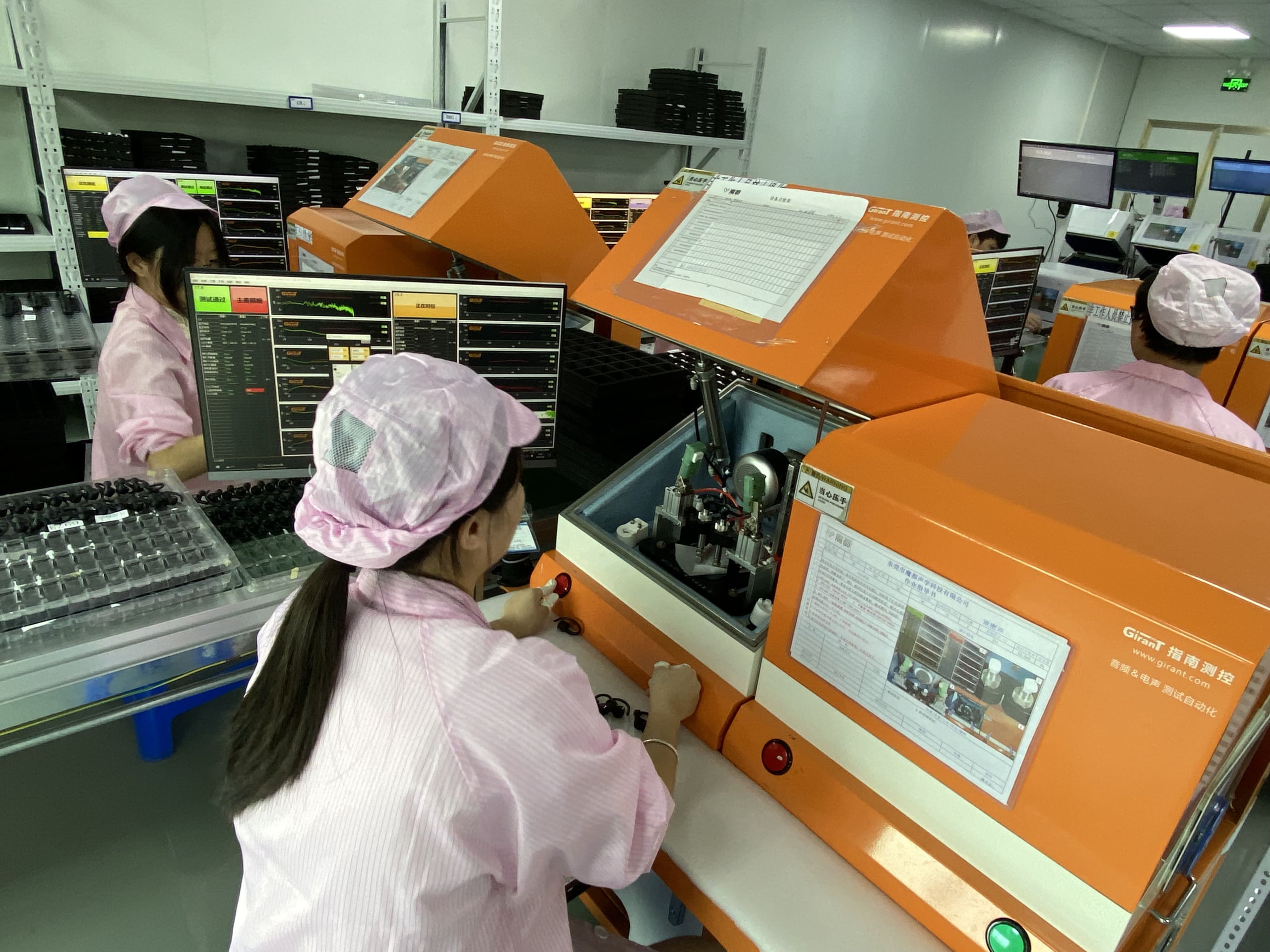
Dive Deeper: Beyond the Datasheet — The Chip as a System Foundation
From our 15 years of experience in Bluetooth earphone manufacturing, we've learned that the Bluetooth chip acts as the central nervous system for the entire earbud1. While reputable chip brands like Qualcomm, Airoha, or Jerry (JL) provide a solid foundation, their raw capabilities are only part of the equation. The true performance differentiator lies in the solution built around that chip.
- Firmware Optimization: This is where the magic happens. Two different factories using the same chip might deliver vastly different user experiences. Our partner factories invest heavily in firmware development to optimize power consumption, enhance connectivity stability, improve audio processing, and ensure seamless pairing. Without proper firmware tuning, even a top-tier chip can underperform, leading to frustrating dropouts, latency issues, or inefficient battery usage. We consistently verify that our partner factories' firmware is stable and optimized for real-world scenarios.
- Connectivity Stability in Diverse Environments: For markets like Russia, Europe, or North America, urban environments often present significant wireless interference2. The chip's ability, combined with robust antenna design and firmware, to maintain a stable connection amidst Wi-Fi networks, other Bluetooth devices, and various radio signals is paramount. We test for this extensively, ensuring the solutions we offer can handle the demands of dense urban landscapes or open outdoor spaces.
- Codec Support and Audio Quality: The chip dictates which audio codecs (SBC, AAC, aptX, LDAC, etc.)3 the earbuds can support. While basic codecs are standard, supporting higher-quality codecs can significantly enhance the listening experience for discerning users. However, merely supporting a codec on the datasheet doesn't guarantee superior sound; the chip's digital signal processing (DSP) capabilities and the subsequent audio tuning by the manufacturer are crucial. We work to ensure the chip's capabilities are fully leveraged to deliver clear, balanced audio.
- Latency and Synchronization: For gaming earbuds or applications where audio-visual synchronization is critical, the chip's low-latency capabilities are key. Again, this isn't just a chip feature; it requires careful integration and optimization within the entire earbud system.
- Multi-Device Pairing and Switching: For users who frequently switch between a phone, tablet, and laptop, a chip with advanced multi-point connection capabilities, properly implemented, offers a much smoother experience. This feature, if poorly executed, can lead to connectivity headaches rather than convenience.
- Invisible Costs and Value: When suppliers quote different prices for earbuds using the "same chip model," the disparity often reflects the depth of firmware optimization, the quality of passive components surrounding the chip, the rigor of the production process, and the investment in certification and testing. A lower price might indicate a less mature software solution or compromises in manufacturing quality control. We emphasize that our pricing reflects not just the chip, but the comprehensive, market-proven solution we provide.
Understanding that the Bluetooth chip is the cornerstone upon which the entire earbud experience is built helps buyers evaluate suppliers more effectively. It shifts the focus from simply asking "which chip?" to "how well is this chip integrated and optimized for my specific market and use cases?"
Ensuring Battery Reliability in Bluetooth Earbuds Production?
When assessing Bluetooth earbuds production components, the battery is often judged primarily by its mAh rating – a simple number that many buyers assume directly correlates to battery life4. However, this focus can be misleading. In our extensive experience, the real challenges with earbud batteries stem from more subtle issues, which if not properly managed, can severely impact product reliability and lead to significant post-sales problems for wholesalers and distributors.
Ensuring battery reliability in Bluetooth earbuds production requires looking beyond just the advertised mAh capacity. The three most common risks we've observed are inflated capacity ratings that fail real-world endurance tests, batch-to-batch inconsistency from unreliable cell suppliers, and charging compatibility issues between the earbuds and their charging case due to mismatched power management system design.
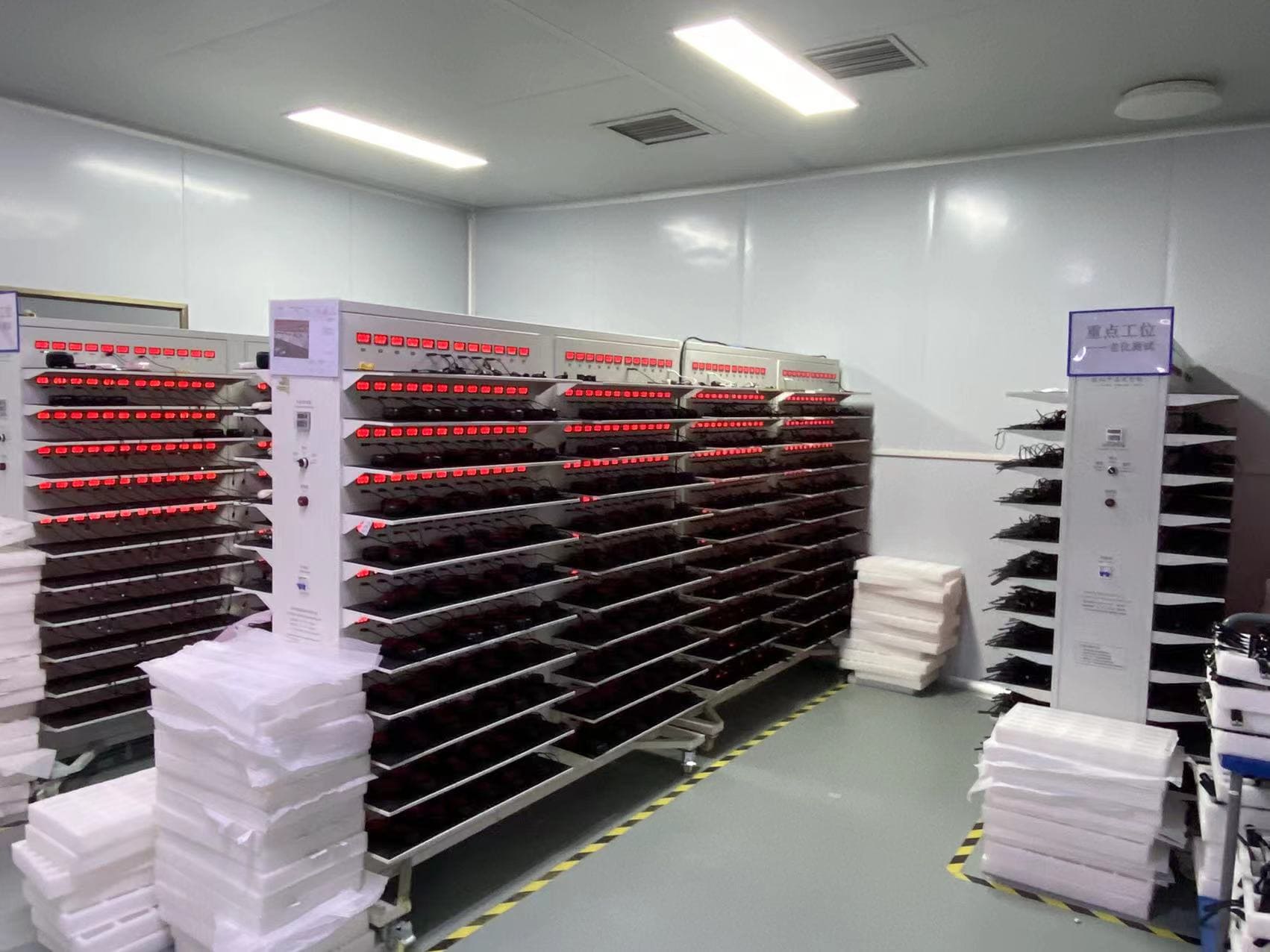
Dive Deeper: The Hidden Complexities of Earbud Power
Battery quality for Bluetooth earbuds production components is a common pain point for new buyers. As a supplier, we've seen firsthand how crucial it is to manage battery sourcing and integration meticulously. The risks are often invisible until products are in consumers' hands.
- Inflated mAh Ratings: It's unfortunately common for some less scrupulous suppliers to declare higher mAh ratings than the battery cells actually deliver. Buyers often test a small sample and might not catch this until a significant batch is in the market, leading to consumer complaints about poor battery life. In our production process, we conduct rigorous capacity testing on incoming battery batches, not just relying on supplier declarations. We also perform continuous play-time tests under various conditions to ensure that the actual performance matches (or exceeds) what we promise.
- Batch Inconsistency: Even from a reputable battery cell manufacturer, inconsistent quality can arise if the supplier doesn't have robust quality control over their cell sourcing. One batch might perform perfectly, while the next shows rapid degradation or unexpected failures. This inconsistency can be a nightmare for wholesalers, leading to fluctuating product quality and unpredictable warranty claims. To mitigate this, we work with long-term, established battery cell suppliers who have proven track records for consistent quality and comprehensive batch testing protocols. We also implement our own incoming quality control (IQC) checks on every battery shipment.
- Charging Compatibility and Power Management: The battery in the earbud and the battery in the charging case are part of an integrated power management system. Issues often arise when this system isn't perfectly designed or matched. This can manifest as:
- Slow Charging: Earbuds taking excessively long to charge from the case, or the case itself charging slowly.
- Overcharging/Undercharging: Inadequate protection circuits can lead to overcharging (reducing battery lifespan) or undercharging (leaving earbuds partially charged).
- Premature Case Depletion: The case battery draining too quickly when idle, or failing to provide the promised number of recharges for the earbuds.
- Temperature Sensitivity: Batteries performing poorly or degrading faster in extreme temperatures (hot or cold), which is a critical consideration for markets with varied climates. In our manufacturing, we ensure that the power management ICs (PMICs) in both the earbuds and the case are carefully selected and integrated to work harmoniously, providing efficient charging, robust protection against overcharge/discharge, and stable performance across different environmental conditions. We also conduct extensive cycle testing to simulate real-world usage and verify long-term battery health.
- Safety Certifications (UN38.3, MSDS): Beyond performance, safety is paramount. Batteries must comply with international transport and safety standards like UN38.3 and require Material Safety Data Sheets (MSDS)5 for shipping. As a responsible supplier, we ensure all our battery components and finished products possess the necessary documentation, reducing logistical hurdles and guaranteeing product safety for our global buyers.
- Supplier Partnership: Just like with the chip, the "invisible" value of a battery comes from the supplier's commitment to quality control, consistency, and a deep understanding of power management integration. Choosing a supplier that prioritizes these aspects will significantly reduce procurement risks and enhance customer satisfaction in the long run. Our long-standing relationships with reliable battery cell manufacturers are a testament to this commitment.
Unlocking Superior Sound: What Makes a Speaker Great in Earbuds Production?
When discussing Bluetooth earbuds production components, many buyers focus on the speaker unit's driver diameter, assuming that a larger size automatically equates to superior sound quality6. However, this common misconception can lead to suboptimal procurement decisions. While driver size does play a role, it's far from the only, or even the most critical, factor determining acoustic performance.
The true audio performance of a speaker in Bluetooth earbuds production is not solely determined by its unit size. Instead, it critically depends on a synergistic blend of factors: the precise cavity design and acoustic chamber matching within the earbud, the consistency of sound tuning across production batches, and the supplier's stringent quality control standards for key materials like the voice coil and diaphragm.
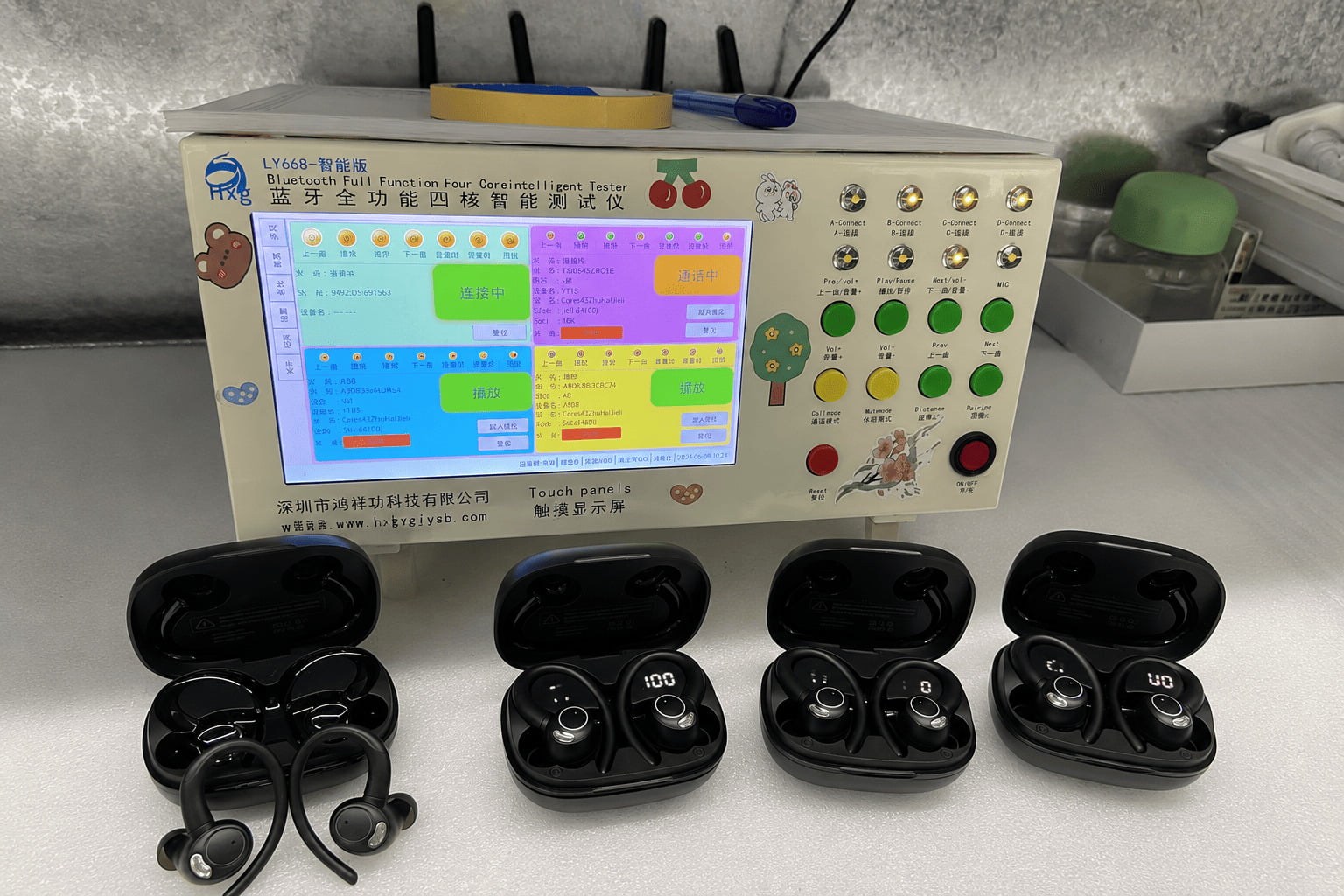
Dive Deeper: The Art and Science of Acoustic Design
The speaker unit, or driver, is where the electrical signal is converted into audible sound, making it a cornerstone among Bluetooth earbuds production components. Achieving excellent sound is an intricate balance, and in our 15+ years of manufacturing, we've refined our approach to ensure consistent, high-quality audio output.
- Cavity Design and Acoustic Chamber Matching: The driver doesn't operate in a vacuum. The internal design of the earbud housing – the acoustic cavity – is crucial. A poorly designed cavity can introduce unwanted resonances7, dampen frequencies, or create an unnatural sound profile, regardless of the driver's quality. Our engineers meticulously design the acoustic chambers to complement the specific drivers we use, optimizing airflow and sound wave propagation. This precise matching is vital for achieving a balanced frequency response and rich, immersive sound.
- Tuning Consistency Across Production Batches: Even with perfect design, maintaining consistent sound tuning across thousands of units is a significant manufacturing challenge. Variations in component placement, adhesive application, or even slight material differences can alter the acoustic properties. We employ advanced electro-acoustic testing equipment and strict QC protocols at various stages of production to ensure that each batch meets our stringent sound profile targets. This includes frequency response analysis, distortion measurements, and channel balance checks, guaranteeing that the sound customers hear from the first pair is consistent with the thousandth.
- Material Quality of Voice Coil and Diaphragm: These are the heart of the speaker. The material and construction of the voice coil (which moves the diaphragm) and the diaphragm itself (which produces the sound waves) directly impact transient response, clarity, and bass reproduction.
- Diaphragm Materials: Different materials (e.g., PET, PEEK, graphene-coated, titanium-plated) have distinct properties influencing stiffness, weight, and damping. Selecting the right material for the target sound profile and ensuring consistent quality from suppliers is critical.
- Voice Coil Precision: The winding precision and material quality of the voice coil affect sensitivity, impedance, and power handling. Inconsistent voice coils can lead to distortion or reduced lifespan. Our partner factories work with trusted material suppliers and implement rigorous incoming quality checks to ensure these critical components meet the exact specifications required for optimal acoustic performance.
- Driver Type (Dynamic, Balanced Armature): While many earbuds use dynamic drivers for their full-range capabilities and strong bass, some premium models incorporate balanced armature (BA) drivers, especially for mid-range and treble clarity8, or hybrid setups (dynamic + BA). Each type has specific acoustic requirements and integration challenges. Our expertise allows us to select and effectively integrate the driver type that best suits the product's intended sound signature and target market.
- Supplier's Acoustic Engineering Capability: A supplier's ability to "tune" the sound goes beyond just assembling components. It involves deep knowledge of psychoacoustics9, meticulous listening tests, and the ability to iteratively refine the product's sound profile. This is an area where our 15 years of experience truly shine, helping us deliver products that resonate with end-users and drive repeat sales for our clients. It's not about providing "lab-grade guarantees" but consistently delivering a pleasant and market-competitive sound experience.
- Quality Control Standards: Consistent acoustic performance isn't accidental. It's the result of strict quality control. This includes testing individual drivers before assembly, performing in-line acoustic checks during assembly, and final product acoustic testing. Any deviations are identified and corrected promptly, preventing substandard products from reaching our clients.
Therefore, when evaluating a supplier for speaker quality, look beyond the driver size and inquire about their acoustic design process, their quality control measures for sound consistency, and their material sourcing policies. This comprehensive approach ensures you're investing in true audio excellence, not just marketing numbers.
Frequently Asked Questions
What certifications are important for Bluetooth earbuds production components?
For international trade and market entry, critical certifications include CE (Europe), RoHS (hazardous substances), FCC (USA, electromagnetic compatibility)10, UN38.3 (lithium battery transport safety), and MSDS (Material Safety Data Sheet for batteries). These ensure product safety and compliance with global standards, which we fully support for our clients.
How does customization affect Bluetooth earbuds production components?
Customization, such as unique acoustic tuning or specific battery capacities, requires careful planning and affects minimum order quantities (MOQ). While logo and packaging customization are common, deeper component-level changes demand thorough engineering evaluation to ensure performance and reliability. We work closely with clients to assess feasibility based on project requirements and MOQ.
Why do earbud prices vary so much for similar components?
Price differences often reflect more than just component costs. They include the depth of firmware optimization, the grade and consistency of battery/speaker sourcing, the rigor of the production process and quality control, and the investment in comprehensive certification support. A higher price can signify a more robust, market-ready solution designed for long-term reliability and fewer post-sales issues.
Can I choose my own component brands for OEM/ODM Bluetooth earbuds?
While buyers can express preferences, we generally recommend utilizing our established supply chain and proven component combinations. This ensures compatibility, optimizes performance, and leverages our extensive experience with specific manufacturers and rigorous quality checks. Deviating too much can introduce unforeseen challenges and impact costs or lead times.
What is the typical lead time for Bluetooth earbuds production components sourcing?
For standard models, we can offer faster delivery. However, for custom OEM/ODM orders, sourcing specialized Bluetooth earbuds production components and integrating them into the manufacturing process typically requires around 40 days for a 3,000-unit order. This timeframe allows for thorough component procurement, quality checks, assembly, and testing.
Conclusion
Understanding the complexities of Bluetooth earbuds production components — from the intricate Bluetooth chip to the vital battery and the acoustically tuned speaker — is paramount for any B2B buyer. It's not about selecting the "best" individual part, but rather evaluating how these components are seamlessly integrated, meticulously tuned, and consistently quality-controlled by a reliable supplier. My hope is that by looking beyond the superficial specifications, you can make more informed procurement decisions, reducing risks and securing a stable, high-quality product line.
We, at Shenzhen Kerui Zhilian Trading Co., Ltd., leverage our 15 years of manufacturing experience and market insights to ensure every component contributes to a robust and market-ready solution. If you're a wholesaler, importer, or brand buyer seeking a partner who prioritizes stable product quality and reduced procurement risks, I invite you to contact us. Let's discuss how our proven approach to Bluetooth earbuds production components can help your business thrive.
"Bluetooth", https://en.wikipedia.org/wiki/Bluetooth. Technical documentation confirms that Bluetooth system-on-chip (SoC) designs integrate multiple subsystems including radio transceivers, audio processing, and power management, functioning as the central controller for wireless earbuds. Evidence role: mechanism; source type: research. Supports: the architectural role of Bluetooth chips in coordinating wireless earbud subsystems. Scope note: The 'central nervous system' metaphor is illustrative rather than a technical standard term. ↩
"Non-Ionizing Radiation From Wireless Technology", https://www.epa.gov/radtown/non-ionizing-radiation-wireless-technology. Studies on the 2.4 GHz ISM band demonstrate that urban environments exhibit high spectral congestion from Wi-Fi networks, Bluetooth devices, and other wireless technologies, creating interference challenges for wireless audio devices. Evidence role: general_support; source type: research. Supports: the prevalence of wireless interference in urban environments affecting Bluetooth connectivity. ↩
"List of Bluetooth profiles - Wikipedia", https://en.wikipedia.org/wiki/List_of_Bluetooth_profiles. The Bluetooth Special Interest Group (SIG) specifications define SBC as the mandatory codec for A2DP profile, while AAC, aptX, and LDAC represent optional higher-quality codec implementations supported by various manufacturers. Evidence role: definition; source type: institution. Supports: the standard audio codecs used in Bluetooth wireless audio transmission. ↩
"A study of the factors that affect lithium ion battery degradation - MOspace", https://mospace.umsystem.edu/items/ef7ee8e2-85fa-4330-a421-1fcd9376a835. Battery engineering principles establish that actual runtime depends on multiple factors beyond nominal capacity, including discharge rate, voltage characteristics, temperature, power management efficiency, and load profile, making mAh an incomplete predictor of real-world performance. Evidence role: mechanism; source type: education. Supports: why mAh ratings alone do not determine actual battery runtime. ↩
"LITHIUM BATTERY GUIDE FOR SHIPPERS", https://www.phmsa.dot.gov/sites/phmsa.dot.gov/files/2024-11/Lithium-Battery-Guide-2024.pdf. The United Nations Manual of Tests and Criteria (UN38.3) establishes mandatory testing requirements for lithium batteries in transport, while safety data sheets provide hazard communication as required by various international transport regulations including IATA and IMDG codes. Evidence role: general_support; source type: government. Supports: the regulatory requirements for lithium battery transport safety. ↩
"Driver Size vs Sound Quality: Does Bigger Always Mean ...", https://ub-plus.com/blogs/news/speaker-driver-size-vs-sound-quality?srsltid=AfmBOopAHbrgNLjqfxGgLpIqAI1l9W1YUTscwhEnEDyiLdRL0MkbSRk6. Acoustic engineering principles demonstrate that sound quality depends on multiple interrelated factors including driver material properties, magnetic structure, voice coil design, enclosure acoustics, and frequency response characteristics, rather than diameter alone. Evidence role: mechanism; source type: education. Supports: the complex relationship between driver size and audio quality. ↩
"Anechoic chamber", https://en.wikipedia.org/wiki/Anechoic_chamber. Acoustic engineering literature establishes that enclosure cavity design critically affects speaker performance by influencing resonant frequencies, back-wave management, and frequency response, with poorly designed cavities introducing unwanted peaks, nulls, or coloration. Evidence role: mechanism; source type: education. Supports: how acoustic cavity design influences sound quality through resonance and frequency response. ↩
"IEM Driver Types: BA vs Dynamic vs Planar", https://www.campfireaudio.com/blogs/insights/iem-driver-types-balanced-armature-dynamic-planar?srsltid=AfmBOopUtVWgYkTHwczVDW5q2kc67dQJusVkqZ5zQ0XJ-mbuCeTLiV3R. Audio engineering literature indicates that balanced armature drivers, due to their compact size and low moving mass, typically exhibit advantages in mid-range and treble reproduction with fast transient response, though they generally require acoustic tuning or multiple drivers for full-range performance. Evidence role: mechanism; source type: education. Supports: the frequency response characteristics of balanced armature drivers. ↩
"Psychoacoustics - Wikipedia", https://en.wikipedia.org/wiki/Psychoacoustics. Psychoacoustics is the scientific study of sound perception and auditory sensation, examining how humans perceive acoustic properties such as pitch, loudness, timbre, and spatial location, providing foundational principles for audio engineering and product tuning. Evidence role: definition; source type: encyclopedia. Supports: the relevance of psychoacoustics to audio product design. ↩
"Equipment Authorization – RF Device | Federal Communications ...", https://www.fcc.gov/oet/ea/rfdevice. European Union directives require CE marking for electromagnetic compatibility and safety, RoHS compliance restricts hazardous substances in electronics, and the U.S. Federal Communications Commission mandates FCC certification for radio frequency devices, collectively forming primary regulatory requirements for Bluetooth audio devices in these markets. Evidence role: general_support; source type: government. Supports: the regulatory certification requirements for wireless earbuds in major markets. ↩